
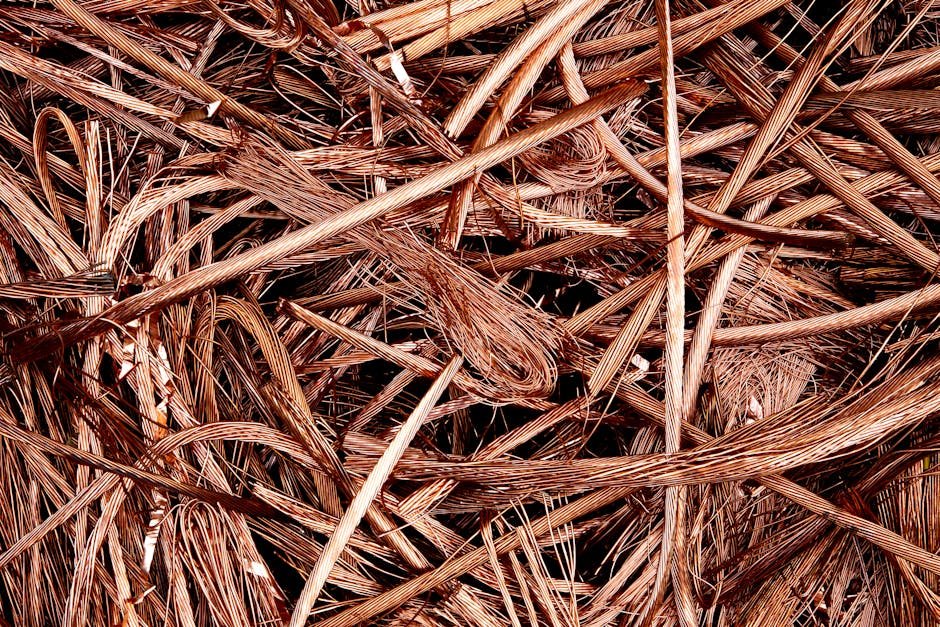

When it comes to scrap copper recycling Birrong, both residential renovators and industrial contractors have a unique opportunity to turn waste into a valuable revenue stream while supporting the circular economy. Copper is one of the most highly sought-after non-ferrous metals globally due to its exceptional conductivity and infinite recyclability. Whether you are clearing out a job site in Western Sydney or managing industrial demolition waste, understanding the nuances of the copper market is essential for maximizing your returns.
Understanding Copper Grades: How to Sort for Profit
The secret to successful metal recycling lies in the meticulous sorting of materials. Not all copper is created equal, and the value of your haul depends heavily on the purity and condition of the scrap. Professional recyclers categorize copper into specific grades, each with a distinct copper price per kg. When you bring your materials to a facility, the grading process determines your payout.
Bare Bright Copper: This is the gold standard of the industry. It consists of clean, unalloyed, uncoated, and uninsulated copper wire, typically 16 gauge or thicker. It must be free of any paint, varnish, or oxidation. Because it requires minimal processing, it commands the highest price.
Number 1 Copper: This grade includes clean, unalloyed copper pipe and wire that may have some minor oxidation but remains free of solder, paint, or other contaminants. When you are preparing your copper pipe for recycling, ensure it is cut into manageable lengths and that any brass fittings or plastic attachments are removed, as these act as impurities.
Number 2 Copper: This grade encompasses copper that has been contaminated with solder, paint, or other coatings. It is a very common grade for plumbers and electricians who work with older installations. While the copper price per kg is lower than the premium grades, it remains a highly valuable commodity in the Copper Scrap Group ecosystem.
Insulated Copper Wire: This material consists of copper conductors wrapped in plastic or rubber insulation. The value here is determined by the “recovery rate”—the percentage of copper metal compared to the weight of the insulation. High-grade data cables and heavy-duty power cables often provide better returns than thin, low-yield wiring.
The Process: How Scrap Copper Recycling Works
The journey from a discarded pipe to a new electrical component is a sophisticated industrial process. Once your scrap arrives at a processing facility, it undergoes a series of mechanical and chemical treatments to ensure the final product meets international purity standards. If you are interested in the broader industry landscape, it is worth exploring the differences in Scrap Trading Vs Recycling Business models to understand how these facilities operate at scale.
First, the material is weighed and inspected for contaminants. This is where the expertise of the yard manager is vital. Using X-ray fluorescence (XRF) analyzers, recyclers can determine the exact chemical composition of a metal piece, ensuring that alloys are not mixed with pure copper. Following inspection, the material is shredded. Shredding breaks the metal into smaller, uniform pieces, making it easier to separate the copper from non-metallic materials like plastic, glass, or dirt.
Next, magnetic separation is used to remove any ferrous metals (iron or steel) that may have been accidentally included in the load. Eddy current separators are then employed to push the non-ferrous copper away from remaining plastics and debris. Finally, the sorted copper is melted in large-scale furnaces. Once molten, it is cast into ingots or billets, which are then sold to manufacturers to create new copper wire, automotive parts, or plumbing components. This closed-loop system is the backbone of sustainable resource management in Australia.
Environmental Benefits of Recycling Copper
The environmental case for scrap copper recycling Birrong is ironclad. Copper is a 100% recyclable material, meaning it can be recycled over and over again without losing any of its physical or chemical properties. When we recycle copper, we drastically reduce the need for virgin mining operations, which are energy-intensive and ecologically disruptive.
Mining copper requires the extraction of massive amounts of earth, leading to habitat destruction, soil erosion, and significant water pollution. Furthermore, the energy required to extract and refine copper from ore is approximately 85% higher than the energy required to recycle existing copper scrap. By choosing to recycle, you are directly contributing to a reduction in greenhouse gas emissions and preserving natural resources for future generations.
In the local context of Western Sydney, recycling also helps to manage the waste footprint of the construction industry. As urban density increases, the responsible disposal of building materials becomes a logistical necessity. By utilizing local recycling hubs, businesses can lower their carbon footprint by reducing transportation distances. Whether you are looking for scrap copper recycling milperra or nearby options in scrap copper recycling rosehill, keeping your recycling local is an environmentally conscious decision.
Strategic Tips for Maximizing Your Copper Payout
To get the most out of your recycling efforts, you need to treat your scrap like a commodity. Here are several expert strategies to ensure you are not leaving money on the table:
- Segregation is Key: Never mix your grades. If you have a pile of bare bright mixed with number 2 copper, the entire load will likely be graded as number 2. Sort your materials into distinct bins before arriving at the yard.
- Clean Your Scrap: Take the time to remove non-metallic attachments. Plastic valves on copper pipe, steel screws, or excessive solder joints will downgrade your material. A few minutes with a hacksaw or a pair of bolt cutters can significantly increase your profit margin.
- Monitor Market Trends: The copper price per kg is volatile and fluctuates based on global demand, mining output, and geopolitical factors. Keep an eye on the London Metal Exchange (LME) or consult with your local scrap dealer to understand when it is the best time to sell.
- Build Relationships: If you are a contractor or a business generating consistent scrap, speak to the yard management. Establishing a long-term relationship can often lead to better pricing tiers and more efficient drop-off processes.
- Use Digital Resources: Platforms like Scrap Trade provide valuable insights into market movements, while companies like Scrap Trade Australia offer professional logistics support for large-scale industrial clearances.
The Role of Technology in Modern Recycling
The scrap metal industry is undergoing a digital transformation. Gone are the days of manual ledger books and opaque pricing. Today, sophisticated software allows for real-time inventory management and transparent pricing structures. For those searching for Scrap Metal Recycling Near Me, modern platforms now offer instant quotes and booking systems that streamline the entire process.
Advancements in sensor-based sorting technology have also revolutionized the industry. Optical sorters, equipped with high-speed cameras and AI-driven algorithms, can now identify different types of copper alloys and plastics in milliseconds. This precision ensures that the purity levels of recycled copper are higher than ever, making recycled copper just as valuable as virgin copper to manufacturers. As these technologies become more accessible, the efficiency of the recycling chain in suburbs like Birrong continues to improve, benefiting both the environment and the economy.
Navigating the Regulatory Landscape
Recycling is not just about profit; it is about compliance. In Australia, the scrap metal industry is subject to strict environmental and safety regulations. These rules are designed to prevent the illegal dumping of waste, ensure the safe handling of hazardous materials (such as lead-lined cables), and combat metal theft. When you choose a reputable recycling partner, you are ensuring that your waste is being handled in accordance with local, state, and federal laws.
For businesses, maintaining a clear paper trail of your recycling activities is essential. This documentation is often required for environmental audits and corporate social responsibility reports. Reputable recyclers will provide you with weight dockets and certificates of recycling, which serve as proof that your waste has been diverted from landfill and processed correctly. Always prioritize recyclers who are transparent about their licensing and operational standards.
The Future of Copper and Circularity
As the world transitions toward renewable energy, the demand for copper is expected to skyrocket. Copper is a critical component in electric vehicles (EVs), wind turbines, and solar panels. An average electric vehicle, for example, contains up to four times more copper than a traditional internal combustion engine vehicle. This “electrification of everything” places a premium on copper availability.
By participating in scrap copper recycling Birrong, you are playing a vital role in the global supply chain. You are not just disposing of old pipes or wires; you are recovering a critical material that will power the next generation of green technology. The circular economy relies on the active participation of individuals and businesses to keep these materials in the loop, preventing them from being buried in landfills where they provide zero utility.
The shift toward a circular economy is not just a trend—it is a necessity. As virgin resources become harder and more expensive to extract, the value of “urban mining” (the process of recovering materials from existing products) will continue to rise. Whether you are a small business owner, a tradesperson, or a homeowner, your contribution to the recycling ecosystem is significant. By understanding the grades, optimizing your sorting, and partnering with the right facilities, you are contributing to a more sustainable and profitable future.
Conclusion: Taking Action Today
Recycling copper is a smart financial and environmental decision. By taking the time to properly sort your copper wire and copper pipe, you ensure that you receive the best possible market rate while supporting a cleaner, more sustainable Australia. Whether you are looking for a reliable partner for industrial scrap removal or simply want to dispose of a small amount of household metal, there are professional resources available to help you navigate the process.
Remember that the key to success is consistency. By making recycling a standard part of your project workflow, you turn what was once a waste-management headache into a predictable revenue stream. Stay informed about the copper price per kg, maintain clean sorting practices, and always choose reputable, compliant recyclers. Start your journey today by exploring the professional services available in your local area and join the thousands of Australians who are turning scrap into a sustainable future.
Related: Copper Scrap Group
Related: Scrap Trading Vs Recycling Business
Related: Scrap Metal Recycling Near Me
Related: scrap copper recycling milperra
Related: scrap copper recycling rosehill
Frequently Asked Questions
What is the best way to prepare copper for recycling?
To get the best price, strip all insulation from wires and remove any non-copper attachments like brass fittings, plastic valves, or steel screws. Sort your copper into separate containers based on grade (e.g., bare bright vs. number 2) before visiting the yard.
How does the copper price per kg fluctuate?
Copper prices are determined by the London Metal Exchange (LME) and are influenced by global supply and demand, mining production levels, and economic conditions. It is best to check current market rates with your local recycler before bringing in a large load.
Why is bare bright copper more valuable than other grades?
Bare bright copper is considered the highest grade because it is clean, unalloyed, and free of any coatings or oxidation. It requires the least amount of processing and refining, making it highly efficient for manufacturers to melt down and reuse.
Can I recycle copper wire with insulation still on it?
Yes, you can recycle insulated copper wire, but it will be graded based on the ‘recovery rate’ of the copper inside. Removing the insulation yourself can significantly increase the value of the material, but ensure you have the proper tools to do so safely.