
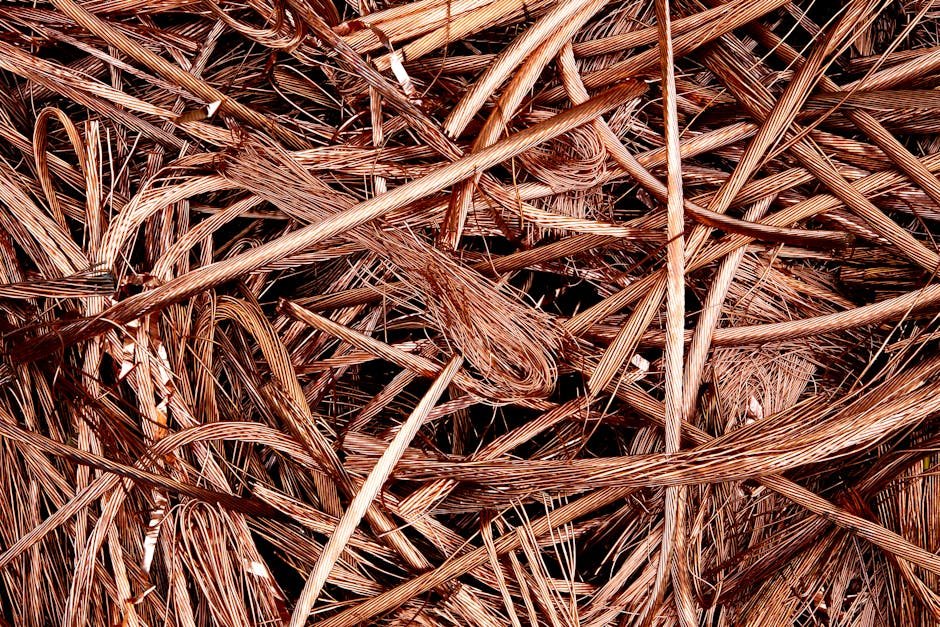

When it comes to scrap copper recycling Villawood, understanding the nuances of the industry is essential for both individual tradespeople and large-scale industrial operations. Whether you are clearing out a job site in Western Sydney or managing a demolition project, identifying the quality of your materials is the first step toward securing the best financial return. Copper remains one of the most valuable non-ferrous metals on the market, and because it can be recycled infinitely without losing its inherent properties, it serves as a cornerstone of the circular economy in Australia.
Understanding Copper Grades and Market Value
To maximize your profits, you must be able to distinguish between the various grades of copper. The industry standard classifies copper based on its purity, cleanliness, and the presence of contaminants like insulation, solder, or paint. The most highly sought-after grade is bare bright copper, which consists of clean, unalloyed, uncoated, and uninsulated copper wire or cable. Because it requires minimal processing, it commands the highest copper price per kg. When you are looking for a professional metal recycling partner, knowing how to identify this grade is vital.
Next in the hierarchy is number 2 copper, which typically includes copper that has been lightly tarnished, contains minor solder, or has small amounts of paint. While it fetches a lower price than bare bright, it remains a high-value commodity. You will frequently encounter this in plumbing fixtures and older wiring. Beyond these, you will often deal with copper pipe, which is usually categorized by its cleanliness. If the pipe is free of brass fittings, valves, and excessive oxidation, it will be graded as high-quality #1 copper. Conversely, if it is heavily corroded or contains attachments, it may be downgraded. For those navigating the complexities of the industry, understanding the difference between Scrap Trading Vs Recycling Business models can help you decide whether you are simply offloading material or looking to establish a long-term supply relationship.
The Logistics of Scrap Copper Recycling Villawood
Villawood is strategically positioned to serve the industrial heart of Western Sydney. Efficient logistics are the backbone of the recycling process. When you engage in scrap copper recycling Villawood, you are participating in a sophisticated supply chain that moves material from the point of collection to high-tech processing facilities. For contractors operating in surrounding areas, we also provide resources for scrap copper recycling birrong and scrap copper recycling milperra, ensuring that your metal scrap is handled with the same level of expertise regardless of your specific location in the region.
The process begins with collection and sorting. Advanced recycling facilities use magnetic separation and eddy current separators to isolate copper from other metals and non-metallic contaminants. Once sorted, the copper is shredded or granulated to remove insulation from copper wire. This process is crucial because the purity of the final product dictates its suitability for manufacturing. By utilizing a specialized scrap trading platform, businesses can track market trends and ensure their inventory is sold when the value is at its peak. If you are looking for local drop-off points, searching for Copper Scrap Group listings or simply searching for Scrap Metal Recycling Near Me will connect you with facilities that provide transparent weighing and competitive pricing.
Environmental Impact and Sustainability
The environmental case for recycling copper is overwhelming. Mining for virgin copper is an energy-intensive process that involves massive excavation, ore crushing, and chemical leaching, all of which have significant impacts on local ecosystems. In contrast, recycling copper requires up to 85% less energy than producing it from raw ore. By choosing to recycle, you are directly reducing the carbon footprint of the manufacturing sector. Copper is unique because it is 100% recyclable without any loss of quality. This means a piece of copper pipe recycled today could be back in a new building or electronic device within weeks.
Furthermore, recycling reduces the volume of waste sent to landfills. In a rapidly growing urban environment like Sydney, managing industrial waste is a critical component of sustainable urban planning. When you participate in scrap copper recycling Villawood, you are supporting a local industry that prioritizes material recovery over disposal. This commitment to sustainability is not just good for the planet; it is also a regulatory necessity as Australia moves toward more stringent waste management standards. By keeping copper in the loop, we reduce the need for further mining, protect biodiversity, and contribute to a more stable supply chain for Australian manufacturers.
Maximizing Your Returns: Tips for Sellers
To get the most out of your scrap, preparation is key. Many sellers make the mistake of leaving insulation on their copper wires. While stripping wire can be labor-intensive, the price difference between insulated wire and clean, bare copper is often significant enough to justify the effort. If you have large quantities of cable, consider investing in a mechanical wire stripper, which can pay for itself in a very short amount of time. Always keep your grades separated; mixing high-grade bare bright with lower-grade #2 copper will result in the entire batch being priced at the lower rate.
Another tip for those in the Villawood area is to monitor market fluctuations. Copper prices are globally influenced by manufacturing demand in China, currency exchange rates, and mining output. By keeping an eye on the daily copper price per kg, you can time your sales to align with market highs. Furthermore, building a relationship with a reputable buyer is invaluable. A consistent supplier is often privy to better terms and faster processing times. Whether you are dealing with small quantities of copper pipe from a bathroom renovation or industrial-scale amounts of cabling, consistent sorting and cleaning will always yield higher returns.
Industrial Applications and Future Trends
The demand for copper is only expected to grow, driven largely by the global transition toward renewable energy and electric vehicles (EVs). EVs require significantly more copper for their motors, batteries, and wiring than traditional internal combustion engine vehicles. Additionally, the expansion of renewable energy infrastructure, such as solar arrays and wind farms, relies heavily on copper’s superior electrical conductivity. This long-term demand shift is creating a robust market for recycled copper, as manufacturers look for reliable, sustainable sources of supply.
As we look to the future, technology in the recycling sector is advancing rapidly. We are seeing the implementation of AI-driven sorting systems that can identify metal alloys with near-perfect accuracy. This tech-forward approach ensures that the purity levels of recycled copper remain high enough to meet the stringent requirements of modern electronics manufacturing. For businesses in Villawood, staying ahead of these trends means adopting better sorting practices and partnering with recyclers who invest in modern processing technology. The move toward a circular economy is not just a trend; it is the future of industrial manufacturing in Australia.
Safety and Regulatory Compliance
Safety should always be the priority when handling scrap metal. Copper wire and pipe can have sharp edges, and heavy loads require proper lifting techniques or mechanical assistance. Furthermore, you must be aware of local regulations regarding the transport and sale of scrap metal. In New South Wales, there are specific requirements for scrap metal dealers to verify the identity of sellers and maintain detailed records of transactions to prevent the trade of stolen goods. Always ensure that you are dealing with a licensed and reputable facility that adheres to these regulations.
Compliance is not just about avoiding legal issues; it is about maintaining the integrity of the industry. By working with transparent, licensed recyclers, you ensure that your scrap is processed ethically. This is particularly important for large construction companies that need to provide documentation for environmental certifications or waste management reports. When you choose a partner for scrap copper recycling Villawood, ask about their environmental compliance, their safety record, and their ability to provide detailed reporting on the materials you supply. A professional recycler will be happy to provide this information, as it reflects their commitment to operational excellence.
The Economic Engine of Western Sydney
The scrap metal industry is a vital economic engine for Western Sydney. It provides jobs, supports the construction and manufacturing sectors, and keeps valuable resources within the Australian economy. Villawood, with its industrial zoning and proximity to major transport routes, is a hub for these activities. When local businesses and contractors recycle their copper locally, they are reinvesting in their own community. This localized approach reduces transport emissions and keeps the economic benefits within the region.
Furthermore, the industry encourages innovation. From the development of new alloys to the invention of more efficient stripping and sorting machines, the recycling sector is constantly evolving. As you engage with the market, you will find that the industry is becoming increasingly professionalized. Gone are the days of informal, unmonitored scrap yards. Today’s facilities are clean, organized, and focused on high-efficiency output. By participating in this ecosystem, you are contributing to a more resilient and sustainable local economy that is well-prepared for the challenges of the 21st century.
Conclusion: Taking the Next Step
Recycling your scrap copper is a smart financial and environmental decision. By understanding the grades, preparing your materials correctly, and choosing a trusted partner, you can ensure that you are getting the best value for your efforts. Whether you are a plumber, an electrician, or a demolition contractor, the principles of high-quality sorting and market awareness remain the same. The future of copper is circular, and by participating in scrap copper recycling Villawood, you are playing a direct role in that transformation.
As you continue your journey in the scrap metal industry, remember that knowledge is your most valuable tool. Stay informed about market prices, keep your materials clean, and prioritize safety in all your dealings. If you have questions about specific grades or want to learn more about how to optimize your scrap management, reach out to industry experts who can provide guidance tailored to your specific needs. The resources available through our network are designed to help you navigate the complexities of the market, ensuring that you remain competitive and compliant in an ever-changing landscape.
Frequently Asked Questions
What is the difference between bare bright copper and number 2 copper?
Bare bright copper is clean, uninsulated, and unalloyed wire that is free of any oxidation or coatings, making it the highest-value grade. Number 2 copper includes wire or pipe that may have light tarnishing, paint, solder, or other minor contaminants, which lowers its purity and market price.
How can I get the best copper price per kg?
To get the best price, you should strip insulation off your copper wire and ensure your scrap is free of contaminants like brass, steel, or plastic. Sorting your material by grade before arriving at the recycling center prevents your high-quality copper from being downgraded.
Why is scrap copper recycling important for the environment?
Recycling copper uses up to 85% less energy than mining and refining virgin ore, significantly reducing carbon emissions. It also preserves natural resources and prevents metal waste from occupying space in landfills.
Are there specific regulations for selling scrap copper in Villawood?
Yes, in New South Wales, scrap metal dealers must comply with strict record-keeping and identification requirements to prevent the sale of stolen property. Always ensure you are dealing with a licensed facility that follows these legal protocols.