
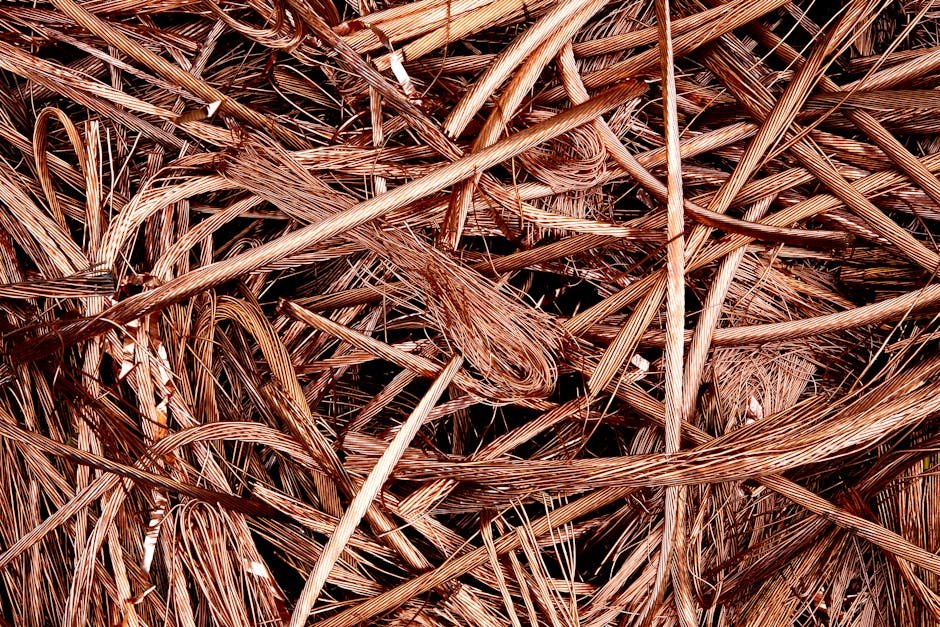

When it comes to managing industrial and residential metal waste in Western Sydney, securing a reliable rydalmere scrap copper pick up is essential for both efficiency and profitability. Whether you are a trade contractor, a demolition expert, or a homeowner clearing out a shed, understanding the nuances of copper recycling—from identifying grades to monitoring market fluctuations—is the key to maximizing your returns. As the demand for sustainable materials grows, the infrastructure for collection has expanded, making it easier than ever to dispose of your Scrap Copper responsibly.
Understanding Copper Grades and Market Value
The value of your scrap is dictated by its purity and the level of processing required to refine it. In the industry, we categorize these into specific grades. The most valuable is ‘Bare Bright’ copper, which consists of unalloyed, uncoated, and uninsulated copper wire, typically 16 gauge or thicker. This material is highly sought after because it requires minimal processing for the smelter. Next, we have Number 1 copper, which includes clean, unalloyed copper pipe and tubing free of fittings or insulation. When you call for a rydalmere scrap copper pick up, knowing how to sort your materials can significantly increase your payout.
Number 2 copper is slightly more contaminated, often containing solder, paint, or minor oxidation. While the Copper Scrap Group standards allow for this, it will command a lower price per kilogram than pristine bare bright. Then there is insulated copper wire, which is weighed based on the copper recovery rate. High-grade data cables or heavy-duty power lines often yield a higher percentage of copper than thin, plastic-heavy appliance cords. By segregating your materials before the collection team arrives, you ensure that you are getting the best possible Scrap Copper Prices Near Me. Always check the daily copper price per kg before finalizing your sale, as the market is highly volatile and influenced by global manufacturing demand.
The Copper Recycling Process: From Collection to Commodity
The journey of your scrap metal begins the moment it is collected. Whether you are utilizing a rydalmere scrap copper pick up or dropping off at a facility, the material undergoes a rigorous verification process. First, the scrap is weighed on certified scales to determine the exact mass. It is then inspected for contaminants—such as steel, plastic, or excessive oxidation—that could compromise the quality of the final melt. Once sorted, large-scale shredders or granulators are used to strip insulation from copper wire, separating the metal from the plastic or rubber casing.
The separated copper is then baled or compacted for transport to secondary smelters. At the smelter, the scrap is melted down and refined to remove any remaining impurities. This refined copper is then cast into ingots, rods, or billets, which are sold back to manufacturers to create new products. This closed-loop system is a marvel of modern engineering, allowing copper to be recycled infinitely without losing its inherent properties. If you are located in other parts of Sydney, you might also be interested in our scrap copper pick up bankstown or the scrap copper pick up villawood services, which follow these same high-standard recycling protocols.
Environmental Benefits of Copper Recycling
Recycling copper is not just about financial gain; it is a critical component of environmental stewardship. Mining virgin copper is an energy-intensive process that involves massive excavation, ore crushing, and chemical leaching, all of which have significant impacts on local ecosystems. By choosing to recycle, you are reducing the need for new mining operations. Research shows that recycling copper requires up to 85% less energy than producing it from raw ore. This massive reduction in energy consumption leads to a proportional decrease in greenhouse gas emissions.
Furthermore, copper is a finite resource. As global electrification accelerates—driven by the shift to electric vehicles and renewable energy grids—the demand for copper is projected to skyrocket. By keeping existing copper in the supply chain, we reduce the pressure on natural reserves and prevent thousands of tonnes of metal from ending up in landfills, where it would simply oxidize and potentially contaminate groundwater. When you participate in a professional scrap collection program, you are actively contributing to a circular economy. For more information on how to participate, visit our professional metal recycling portal to see how we handle large-scale industrial recovery.
How to Prepare Your Scrap for Collection
Preparation is the difference between a quick, profitable transaction and a wasted trip. To get the most out of your rydalmere scrap copper pick up, start by cleaning your materials. Remove non-copper attachments from your copper pipe, such as brass valves or steel hangers, as these are considered contaminants. If you have large quantities of insulated wire, consider whether it is worth stripping it yourself. While manual stripping is labor-intensive, the price difference between insulated and bare copper can be substantial. However, always prioritize safety; never attempt to strip live wires or use hazardous tools without proper training.
Organize your scrap into clearly labeled bins or piles. Keeping your bare bright separate from your Number 2 copper and your insulated cable makes the weighing process much faster for the driver. If you have a large commercial haul, provide the collection team with an estimated weight and a description of the items beforehand. This allows them to dispatch the correct vehicle, whether it is a small utility truck or a large flatbed with a crane. For those managing massive demolition sites, our scrap metal trading platform provides resources for coordinating bulk logistics and ensuring compliance with local environmental regulations.
Navigating Market Fluctuations and Pricing
The price of copper is one of the most closely watched indicators in the global economy. It is often referred to as ‘Dr. Copper’ because it is seen as a barometer for industrial health. When construction and manufacturing are booming, the copper price per kg tends to rise. Conversely, during economic downturns, prices may soften. For the average recycler, this means that timing your sale can impact your profit margins. While you cannot predict the market with 100% accuracy, you can track trends by using online price trackers and subscribing to industry newsletters.
It is also important to understand that the price you see on the news is the ‘COMEX’ or ‘LME’ spot price, which represents the value of high-purity copper in large, wholesale quantities. As a retail or trade seller, your price will be slightly lower to account for logistics, processing, and the recycler’s overhead. Transparency is vital—a reputable recycler will always explain how they arrive at their pricing. If a quote seems too good to be true, be cautious, as it may indicate hidden fees or poor service. Always prioritize working with established companies that offer transparent weight measurements and fair, market-linked pricing.
Safety and Compliance in Metal Recycling
Safety is the cornerstone of the recycling industry. Scrap metal can be sharp, heavy, and occasionally hazardous. When handling copper pipe or wire, always wear heavy-duty gloves and protective eyewear to prevent cuts from jagged edges. If you are dealing with industrial scrap, be mindful of potential chemical residues or pressurized components. Compliance is equally important; ensure that the company providing your rydalmere scrap copper pick up is fully licensed and follows all local environmental laws. This protects you from liability and ensures that your waste is being processed in a facility that adheres to stringent safety standards.
Furthermore, modern recycling facilities are equipped to handle the logistical challenges of large-scale collections. From hydraulic lifts to magnetic separators, these facilities are designed to process tonnes of material safely and efficiently. By using a professional service, you avoid the risks associated with improper handling and disposal. Whether you are a small business owner or a large construction firm, maintaining a clean and organized site is not only safer but also makes the collection process significantly more efficient. Always document your transactions, especially for commercial tax purposes, to ensure you have a clear record of your waste disposal and revenue generation.
The Future of Copper and Circularity
As we look toward a future dominated by green technology, the role of copper recycling becomes even more pivotal. Copper is the backbone of the energy transition, essential for wind turbines, solar panels, and the complex wiring systems within electric vehicles. The circularity of this metal is a critical part of the global strategy to reduce our carbon footprint. Every kilogram of copper that is diverted from a landfill and returned to the manufacturing stream is a victory for sustainability. By engaging with professional recycling services, you are becoming a link in this vital chain.
The industry is also evolving with new technologies, such as automated sorting using X-ray fluorescence (XRF) and AI-powered robotics, which are making the recycling process faster and more accurate than ever before. These innovations ensure that even complex alloys are correctly identified and recovered. As a participant in this ecosystem, your commitment to proper sorting and responsible disposal helps drive these advancements. By choosing to work with experts who value efficiency and environmental integrity, you are ensuring that your contribution to the economy and the planet is maximized. Keep these principles in mind, and you will find that managing your scrap copper is a seamless, rewarding, and environmentally conscious endeavor.
Frequently Asked Questions
What is the difference between Number 1 and Number 2 copper?
Number 1 copper consists of clean, unalloyed pipe or wire free of fittings and insulation, while Number 2 copper contains minor contaminants like solder, paint, or oxidation. Number 1 is more valuable because it requires less processing to reach high purity.
How can I get the best price for my scrap copper?
To maximize your return, sort your copper by grade, remove all non-metal attachments like plastic or steel, and keep your materials clean. Monitoring the daily copper price per kg and selling when the market is high will also help you secure better rates.
Is it worth stripping insulation from copper wire?
It depends on the volume of wire and the time you have available. While stripping wire increases the value per kilogram significantly, it is labor-intensive and requires safety precautions to avoid injury.
Why is copper recycling considered environmentally friendly?
Recycling copper uses up to 85% less energy than mining and refining virgin ore, which significantly lowers carbon emissions. It also preserves natural resources and prevents metal waste from leaching chemicals into landfills.