
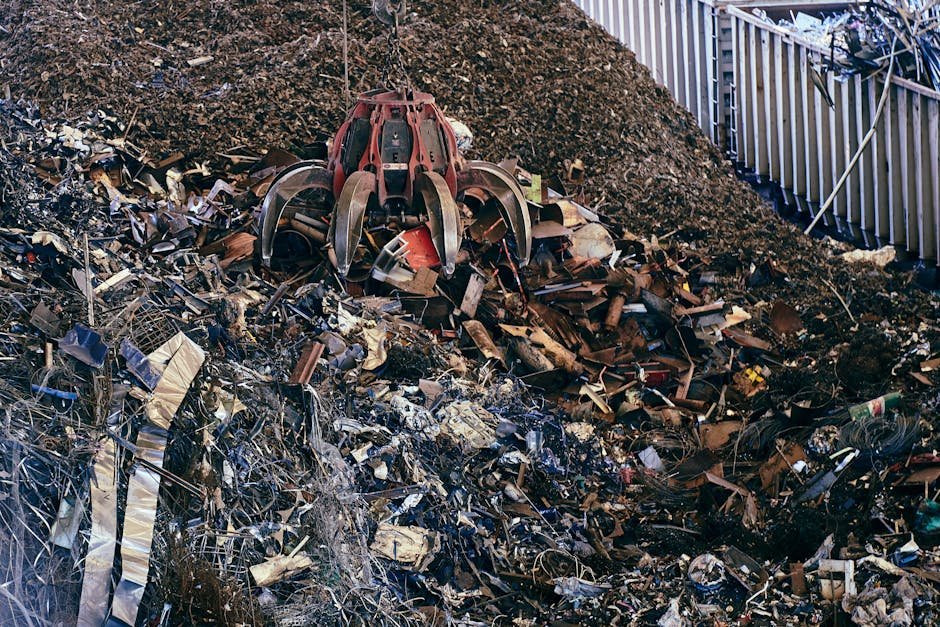

Navigating the landscape of western sydney scrap metal requires a deep understanding of market dynamics, material classification, and the regulatory framework that governs recycling in New South Wales. As the industrial heart of the state, this region serves as a critical hub for the circular economy, where businesses and individuals alike contribute to a sustainable future by diverting tons of waste from landfills every year. Whether you are a tradesperson clearing a site or a homeowner managing a renovation, understanding how to effectively manage your metal waste can turn a disposal cost into a profitable venture.
The Economic Importance of Scrap Metal in Greater Sydney
The economy of Greater Sydney relies heavily on the efficient flow of raw materials. Scrap metal is not merely waste; it is a vital commodity that fuels local manufacturing and global supply chains. By engaging with professional recycling services, you are participating in a sophisticated logistics network that spans from the North Shore to the industrial corridors of the west. When you look to Sell Scrap Metal Near Me In 2026, you are tapping into a market that values high-quality, sorted materials. The demand for recycled aluminium, copper, and steel continues to rise as manufacturers look to lower their carbon footprint. Keeping up with current Scrap Metal Prices is essential for anyone looking to optimize their returns, as market volatility can impact the value of your haul significantly.
Understanding Metal Grades: Ferrous vs. Non-Ferrous
To succeed in the recycling industry, you must distinguish between the two primary categories of metal. Ferrous metals contain iron and are generally magnetic. Common examples include mild steel, carbon steel, and cast iron. These are the backbone of construction and automotive industries in NSW. Conversely, non-ferrous metals—such as copper, aluminium, brass, and lead—do not contain iron and are prized for their resistance to corrosion and high conductivity. Because non-ferrous metals are infinitely recyclable without loss of quality, they command higher market rates. If you are searching for Scrap Metal Recycling Near Me, ensuring your materials are clean and separated by grade will drastically improve your efficiency and profit margins. Contamination, such as plastic or rubber attached to copper wiring, can downgrade the classification of your scrap and reduce its value.
The Lifecycle of Recycling: How the Process Works
The recycling process is a multi-stage operation designed to transform raw scrap into high-grade industrial feedstock. It begins with collection, where facilities like e-planet scrap metal sydney play a pivotal role in aggregating materials from across the region. Once collected, the metal undergoes a rigorous sorting process using advanced technology, including X-ray fluorescence (XRF) analyzers and magnetic separators. Following sorting, the metal is processed through shredders or balers, which reduce the volume for cost-effective transport. Finally, the metal is melted down in furnaces, purified, and cast into ingots or billets. This circular process is highly efficient, saving up to 95% of the energy required to produce new metal from virgin ore. For those specifically dealing with high-volume waste, understanding the logistics of western sydney scrap metal collection is the first step toward streamlining your site operations.
Environmental Benefits and Sustainability in NSW
The environmental case for recycling is overwhelming. Mining virgin ore is an energy-intensive process that results in significant habitat destruction and greenhouse gas emissions. By choosing to recycle, you are actively reducing the need for destructive mining practices. In New South Wales, the push toward a circular economy is supported by government initiatives aimed at reducing landfill dependency. Recycling scrap metal saves vast amounts of water and electricity, and it prevents heavy metals from leaching into the soil and groundwater. By utilizing a professional scrap metal trading platform, you ensure that your materials are processed according to the highest environmental standards, contributing to the long-term health of the Australian ecosystem.
Practical Tips for Maximizing Your Scrap Returns
Maximizing the value of your scrap requires more than just gathering materials; it requires strategy. First, always sort your metals by type. Mixing copper with steel is a common mistake that leads to lower payouts. Second, prepare your materials by removing non-metal attachments. For example, stripping insulation from copper wire or removing plastic housings from electrical components can move your scrap from a lower grade to a premium grade. Third, keep an eye on market trends. Prices fluctuate daily based on global commodity demand. You can find detailed resources on professional scrap metal services that provide insights into market movements. Finally, establish a relationship with a reputable yard that specializes in western sydney scrap metal. Consistency in your supply often leads to better service, faster turnaround times, and more transparent pricing structures.
Navigating Regulations and Safety Standards
Safety is the cornerstone of the scrap metal industry. Handling heavy, sharp, and potentially hazardous materials requires strict adherence to Occupational Health and Safety (OHS) protocols. Always wear appropriate personal protective equipment (PPE), including gloves, steel-capped boots, and high-visibility clothing. Furthermore, be aware of the legal requirements for transporting scrap in NSW. Larger loads may require specific documentation to ensure the chain of responsibility is maintained. If you are dealing with industrial scrap, ensure you are compliant with local council regulations regarding the storage and transport of waste. For those looking for reliable partners, exploring options like scrap metal western sydney can connect you with operators who are fully licensed and committed to safe, compliant practices.
The Future of the Industry: Technology and Innovation
The scrap industry is currently undergoing a digital transformation. With the rise of online trading platforms, the barrier to entry for smaller operators has been lowered, and transparency has increased. Technology such as blockchain is being explored to track the provenance of recycled materials, ensuring that manufacturers can verify the sustainability credentials of their supply chains. In Western Sydney, we are seeing an influx of automated sorting facilities that use artificial intelligence to identify and separate complex alloys with unprecedented accuracy. This technological leap ensures that even the most obscure scrap items find their way back into the production cycle, further closing the loop on waste and driving the next generation of industrial growth in Australia.
Conclusion: Taking Action Today
The importance of responsible scrap metal management cannot be overstated. By choosing to recycle, you are not just clearing space—you are fueling the economy and protecting the environment. Whether you are a contractor in the North Shore, a manufacturer in the industrial heart of Western Sydney, or a resident looking to responsibly dispose of household items, the infrastructure is in place to help you succeed. Use the resources available, stay informed on market prices, and prioritize the correct sorting of your materials to ensure the best possible outcomes for your business and the planet. Start your recycling journey today by connecting with reputable local services and contributing to a more sustainable, circular future for all of New South Wales.
Frequently Asked Questions
How do I determine the value of my scrap metal?
The value is determined by the metal type, its purity, and current global commodity prices. You should check a reliable scrap metal pricing index and ensure your materials are sorted and free of contaminants to get the best rate.
Why should I separate my scrap metal?
Separating metals by type, such as copper, aluminium, and steel, prevents contamination and allows recyclers to offer you the highest market value. Mixed loads are often purchased at the lowest common denominator price.
Is it legal to transport scrap metal in NSW?
Yes, it is legal, but you must comply with road safety regulations and ensure your load is properly secured. For large commercial quantities, you may need to provide documentation regarding the origin of the materials.
What is the difference between ferrous and non-ferrous scrap?
Ferrous metals contain iron and are magnetic, such as steel and iron. Non-ferrous metals, like copper, aluminium, and brass, do not contain iron and are generally more valuable due to their versatility and infinite recyclability.