
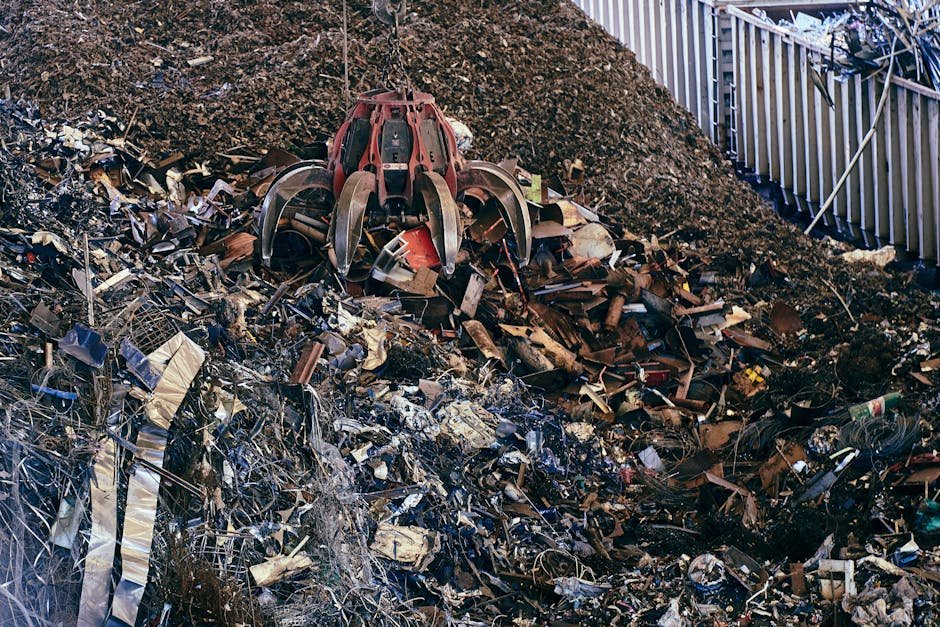

Navigating the professional landscape of scrap metal sydney requires a solid understanding of how local markets operate. Whether you are a large-scale construction contractor managing site waste or a homeowner looking to clear out an old garage, knowing how to classify your materials is the first step toward a successful transaction. The industry in New South Wales is rapidly evolving, with a stronger emphasis on environmental sustainability and efficient resource recovery.
Maximizing Your Returns on Metal Waste
To get the best value, you need to stay informed about current market trends. Many people search for Scrap Metal Prices to ensure they are being paid fairly for their copper, aluminum, or steel. When you decide to Sell Scrap Metal Near Me In 2026, it is important to have your materials clean and sorted. Sorting your metals into ferrous (magnetic) and non-ferrous (non-magnetic) categories can significantly increase your payout at the scales.
For those located in specific regions, finding specialized services is key. If you are specifically searching for western sydney scrap metal providers, ensure they are licensed and equipped to handle heavy industrial loads. Similarly, if you are looking for a reliable scrap metal western sydney facility, check their proximity and transport capabilities. Companies like Scrap Trade and scraptrade.com.au provide excellent resources for connecting with verified recycling partners.
The Environmental Impact of Recycling
Recycling is more than just a way to make extra money; it is a critical component of environmental conservation. By choosing to use a Scrap Metal Recycling Near Me service, you help reduce the need for mining raw ore, which consumes vast amounts of energy and destroys natural habitats. Every ton of recycled metal saves significant amounts of carbon emissions compared to producing virgin metal from scratch.
- Copper: Highly valuable; found in wiring and plumbing.
- Aluminum: Lightweight and infinitely recyclable; found in cans and siding.
- Steel: The most common ferrous metal; found in beams and appliances.
- Brass: A durable alloy often used in fittings and valves.
Professional Standards in the Industry
When dealing with scrap metal sydney, always prioritize safety and compliance. Reputable yards will have clear signage, accurate digital scales, and transparent pricing policies. If you are dealing with large quantities, some facilities may even offer bin services or pick-up options, making the process much smoother for commercial clients. As the demand for raw materials grows, the infrastructure for scrap metal sydney continues to improve, offering better technology for sorting and refining. By participating in this system, you are helping to build a greener future while clearing out unnecessary clutter from your property. Always verify that your chosen recycler adheres to NSW environmental protection regulations to ensure your waste is handled responsibly.
Frequently Asked Questions
What is the difference between ferrous and non-ferrous metals?
Ferrous metals contain iron and are magnetic, such as steel and iron. Non-ferrous metals do not contain iron, are non-magnetic, and include valuable materials like copper, aluminum, and brass.
How can I get the best price for my scrap?
You can maximize your returns by cleaning your scrap of debris and sorting it by metal type before arriving at the yard. Checking current market rates online before you visit also helps you understand what to expect.
Do I need a license to sell scrap metal?
In New South Wales, individuals generally do not need a license to sell household scrap, but professional collectors must adhere to specific industry regulations. Always bring a valid photo ID, as most reputable yards require it for record-keeping.
Why is recycling scrap metal important?
Recycling scrap metal saves energy, reduces the need for destructive mining, and lowers greenhouse gas emissions. It is a vital part of the circular economy that helps conserve the earth’s finite natural resources.