
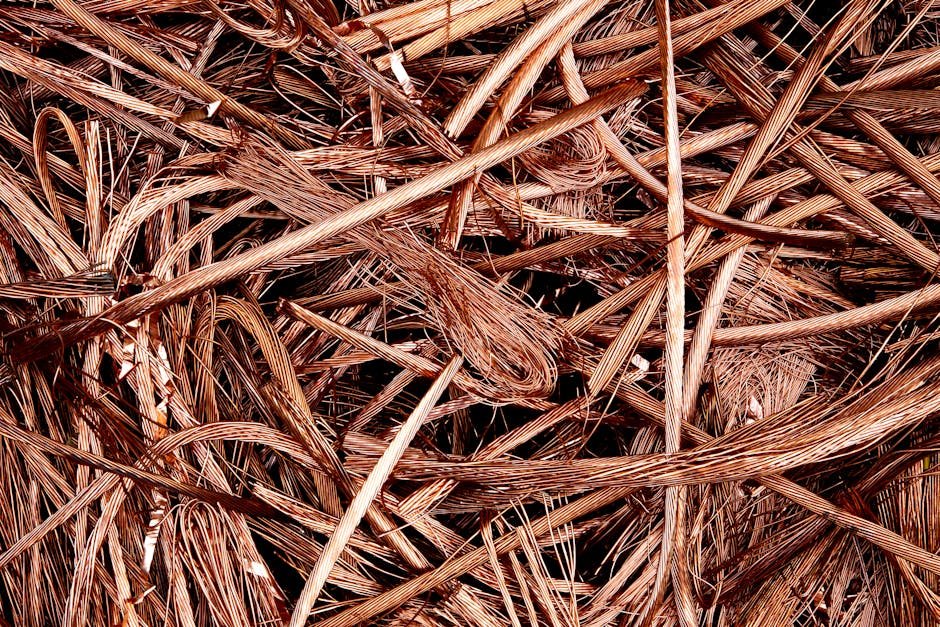

When it comes to scrap copper recycling enfield, understanding the nuances of the local market is the first step toward maximizing your profit and contributing to a circular economy. Whether you are a trade professional, a demolition contractor, or a homeowner clearing out a renovation site, copper remains one of the most valuable commodities in the recycling industry. By choosing to recycle your scrap through professional channels, you ensure that high-quality raw materials are diverted from landfills and returned to the manufacturing supply chain.
Understanding the Value of Scrap Copper
Copper is a non-ferrous metal that retains its physical and chemical properties indefinitely, making it infinitely recyclable. In the industrial landscape of Sydney, particularly in hubs like Enfield, the demand for high-grade copper is constant. The Copper Scrap Group plays a vital role in standardizing how these materials are collected and graded, ensuring that both large-scale commercial entities and individual sellers receive fair market value. Unlike ferrous metals, which are prone to oxidation and degradation, copper is a precious resource that fuels the electrical, plumbing, and automotive sectors.
For those looking for Scrap Metal Recycling Near Me, the process begins with proper identification. Copper is categorized by its purity, oxidation levels, and the presence of contaminants like plastic insulation or solder. Understanding these grades is essential because the copper price per kg fluctuates based on the global London Metal Exchange (LME) rates and the specific grade of the material you are bringing to the yard. Whether you are dealing with heavy-duty industrial cables or standard household plumbing, knowing the difference between clean and contaminated metal will significantly impact your bottom line.
Grades of Scrap Copper: A Technical Breakdown
To succeed in the scrap industry, you must be able to distinguish between the various grades of copper. The most sought-after grade is bare bright copper. This consists of clean, unalloyed, uncoated, and unplated copper wire or cable, free from hair wire and brittle burnt wire. It is essentially pure copper that has been stripped of all insulation. Because it requires minimal processing by the refinery, it commands the highest price per kilogram.
Next, we have number 2 copper, which is slightly less pure. This grade includes copper wire that may have some light oxidation or may contain small amounts of solder or paint. It is still highly valuable but requires more intensive processing to reach a pure state. When you are sorting your materials for scrap copper recycling enfield, keep your bare bright separate from your number 2 to avoid being paid at the lower-tier rate for your entire load.
Beyond wire, we frequently see copper pipe and tubing. Plumbers and HVAC contractors often accumulate large quantities of this material. Clean copper pipe, free of fittings, valves, and excessive solder, is classified as a premium grade. However, if your pipe is heavily soldered or painted, it may be downgraded. Understanding these classifications is part of the broader Scrap Trading Vs Recycling Business distinction, where traders focus on volume and arbitrage, while recyclers focus on the technical processing and recovery of the material. For those in nearby areas, you might also be interested in scrap copper recycling sefton to compare local market offerings.
The Environmental and Economic Impact
The environmental case for recycling copper is overwhelming. Mining for virgin copper is an energy-intensive process that involves massive earth displacement, habitat destruction, and significant water usage. By recycling, we reduce the need for new mining by up to 85%. Furthermore, the energy required to process recycled copper is roughly 15-20% of what is needed to produce copper from ore. This makes every kilogram of copper you recycle a win for the planet.
Economically, the recycling industry supports local jobs and provides a steady stream of secondary raw materials for Australian manufacturing. When you engage in responsible recycling, you are participating in a global supply chain that values efficiency. For businesses looking for a streamlined approach, utilizing a scrap copper pick up enfield service can save time and logistics costs, allowing you to focus on your core business operations while ensuring your metal waste is handled ethically. You can learn more about these processes by visiting the professional metal trading portal for industry insights.
How the Recycling Process Works
The journey from your scrap pile to a new product is a multi-stage process. Once the metal arrives at the facility, it is weighed and inspected for quality. Advanced technology, such as X-ray fluorescence (XRF) analyzers, may be used to confirm the elemental composition of the scrap. Once graded, the copper is shredded or granulated to remove remaining insulation or contaminants.
Separation is the next critical step. Powerful magnets are used to remove any ferrous contaminants (like steel screws or iron fittings), while air classifiers or density tables separate the light plastic insulation (often called “fluff”) from the heavy copper granules. The resulting clean copper granules are then baled or loaded into containers to be sent to refineries, where they are melted down into ingots or rods, ready to be drawn into new wire or cast into new components. This efficient, high-tech process is the cornerstone of the scrap recycling industry, ensuring nothing goes to waste.
Practical Tips for Maximizing Your Scrap Returns
If you want to get the most out of your scrap, preparation is key. First, strip your wires. While it takes time, removing the plastic insulation from copper wire can move it from a lower grade to a premium price category. Use a wire stripping machine if you have large volumes; the cost of the machine is often recouped within a few hauls.
Second, keep your metals clean. Contamination is the enemy of profit. Remove brass fittings, steel valves, and excessive solder from your copper pipes. A clean load is always worth more than a mixed load because the buyer doesn’t have to spend time or money cleaning it. Third, monitor the market. The copper price per kg is volatile. By keeping an eye on market trends, you can choose the best time to sell your accumulated stock.
Finally, build a relationship with a reputable yard. Consistent suppliers are often rewarded with better service, faster turnaround times, and sometimes even better pricing. When you find a partner you trust, you can streamline your logistics and focus on what you do best, knowing your scrap is in good hands.
Safety and Compliance in Scrap Handling
Handling scrap metal involves inherent risks, including sharp edges, heavy lifting, and the potential for chemical contamination. Always wear appropriate Personal Protective Equipment (PPE), including heavy-duty gloves, steel-toed boots, and safety glasses. When stripping wire, be aware of potential dust or fumes, especially if the wire has been burnt (though burning wire is discouraged and often illegal due to toxic emissions).
Compliance is also a major factor. In Australia, scrap metal yards are subject to strict environmental and reporting regulations. Reputable yards will require identification and detailed records of transactions to prevent the trade of stolen goods. Choosing a compliant, licensed facility not only protects you legally but also ensures that your scrap is being processed in an environmentally sound manner that meets all state and federal standards.
The Future of Copper Recycling
As the world transitions toward renewable energy, the demand for copper is set to skyrocket. Electric vehicles (EVs), wind turbines, and solar panels all require significantly more copper than their fossil-fuel-based counterparts. This “electrification of everything” puts a premium on recycled copper, as the industry struggles to keep pace with demand through mining alone. The scrap industry in Enfield is perfectly positioned to serve this growing need, acting as an “urban mine” that provides the raw materials necessary for a sustainable future.
Innovation in the field is also accelerating. New sorting technologies, such as AI-driven optical sorters, are making the recycling process faster and more accurate. These advancements mean that even lower-grade materials that were previously considered waste are now being recovered. By staying informed and participating in the recycling loop, you are not just making money; you are contributing to the infrastructure of the next century.
Conclusion
Whether you are a professional tradesperson or an individual looking to clean up your workshop, scrap copper recycling enfield is a smart, profitable, and environmentally responsible choice. By understanding the grades, preparing your material correctly, and partnering with the right recycling facility, you can maximize your returns while supporting a vital industry. Remember to keep your bare bright separate from your number 2, keep your pipes clean, and keep an eye on the market. With the right approach, your scrap copper is more than just waste—it is a valuable asset that powers the future of Australian manufacturing.
Frequently Asked Questions
What is the difference between bare bright copper and number 2 copper?
Bare bright copper is clean, unalloyed, and uncoated wire that is free of any insulation or oxidation, fetching the highest price. Number 2 copper is slightly lower in quality, often containing light oxidation, solder, or paint, and requires more processing.
How can I get the best price for my scrap copper?
To get the best price, ensure your copper is clean and free of contaminants like plastic insulation, steel screws, or brass fittings. Sorting your scrap into distinct grades before arriving at the yard will prevent your high-value items from being downgraded.
Why is copper recycling important for the environment?
Recycling copper saves up to 85% of the energy compared to mining and refining virgin ore. It also prevents the significant land degradation and water pollution associated with traditional copper mining operations.
Do I need to strip my copper wire before recycling?
While you can sell insulated wire, stripping it to reach ‘bare bright’ status significantly increases the value per kilogram. If you have a large volume of wire, investing in a wire stripping machine can greatly improve your profit margins.