
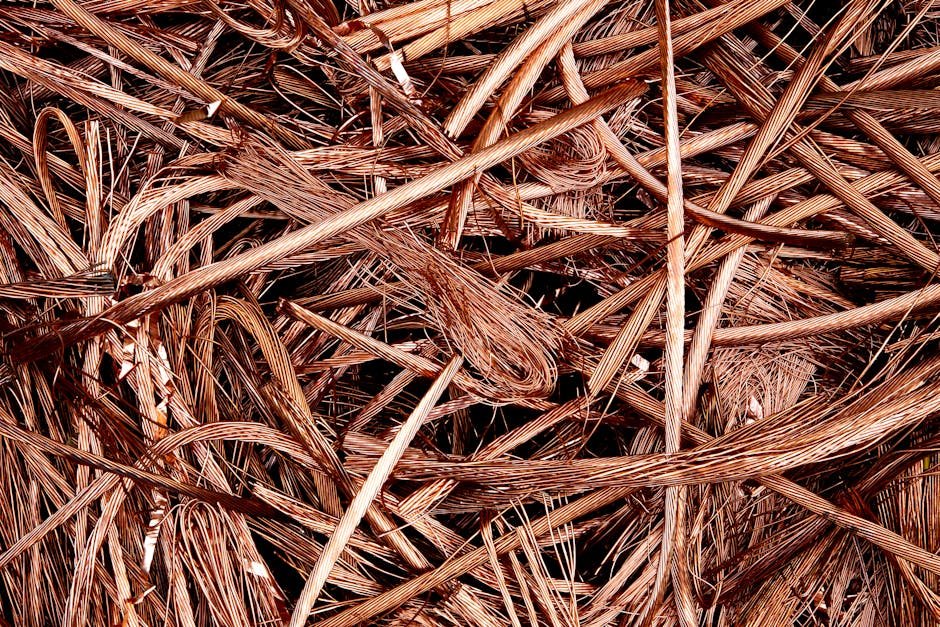

Understanding the nuances of scrap copper pick up berapa is essential for contractors, electricians, and homeowners looking to manage their metal waste efficiently. Whether you are clearing out a job site or disposing of old plumbing, knowing how to categorize your materials can significantly impact your financial return and environmental footprint. As the demand for sustainable industrial practices grows across Australia, professional collection services have become the backbone of the circular economy.
Understanding Copper Grades: What Are You Selling?
In the world of metal recycling, not all copper is created equal. The value of your scrap is determined by its purity, oxidation levels, and the presence of contaminants like plastic, solder, or steel. When you contact a professional service for scrap copper pick up berapa, the first thing they will assess is the grade of your material.
Bare Bright Copper: This is the gold standard in the industry. It consists of unalloyed, uncoated, and unplated copper wire that is 16 gauge or thicker. It must be free of any insulation, paint, or oxidation (it should look shiny and new). Because it requires the least amount of processing, it commands the highest price per kg.
Number 1 Copper: This includes clean, unalloyed copper wire, pipe, or tubing that is free of fittings, insulation, and excessive corrosion. It is slightly less pure than bare bright but still highly valuable. If you are looking for the best Scrap Copper rates, ensure your copper pipes are cut into manageable lengths and stripped of any brass fittings or plastic attachments.
Number 2 Copper: This grade consists of copper that has some impurities. This might include burnt wire, copper with light oxidation, or pipes that still have some solder attached. While it fetches a lower price than Number 1, it is still a significant commodity in the recycling stream.
Copper Wire and Plumbing: Often found in construction, copper wire comes in various forms, from heavy-duty THHN to thin data cables. When recycling copper wire, the presence of insulation is the primary factor. If you have large quantities, stripping the insulation can move your material from a lower grade to a premium grade, significantly increasing your payout.
The Copper Recycling Process: From Site to Smelter
The journey of recycled metal is a testament to modern engineering. Once you schedule a scrap copper pick up berapa, the material undergoes a rigorous process to ensure it can be reused in manufacturing. First, the scrap is weighed and sorted by grade. This is where the expertise of a professional scrap metal recycler becomes vital.
After sorting, the copper is shredded or granulated. This mechanical process breaks the metal into small pieces, which makes it easier to remove non-metallic contaminants like plastic insulation or dirt using magnets and air classifiers. The clean copper is then melted in a furnace. Because copper can be recycled infinitely without losing its chemical properties, this molten metal is cast into ingots or billets, which are then sold to manufacturers to create new plumbing, electrical components, or architectural elements.
By participating in this cycle, you are not just clearing space; you are actively contributing to a global supply chain that reduces the need for energy-intensive mining. Mining virgin copper ore is a destructive process that requires massive amounts of water and energy, and produces significant greenhouse gas emissions. Recycling, by contrast, uses up to 85% less energy than primary production.
Regional Collection Services and Logistics
Logistics play a major role in the profitability of scrap recycling. For those operating in specific industrial hubs, specialized services are available to streamline the collection process. If you are located in the western suburbs of Sydney, for instance, you might specifically require scrap copper pick up berala to handle large-scale commercial volumes. Similarly, businesses situated in industrial zones often rely on camellia scrap copper pick up services to maintain a clean and safe work environment.
When choosing a provider, look for companies that offer transparent pricing and reliable scheduling. A reputable firm will provide you with a clear breakdown of the copper price per kg based on the current market fluctuations. It is important to note that the global market for copper is volatile, influenced by construction demand in China, mining output in South America, and general economic indicators. Using an authoritative platform like the Copper Scrap Group can help you stay informed about these market shifts and ensure you are getting a fair deal.
Environmental Benefits of Copper Recycling
The environmental case for recycling copper is overwhelming. Copper is a 100% recyclable material, meaning it can be melted down and repurposed endlessly. Every tonne of copper recycled saves approximately 3 tonnes of CO2 emissions compared to extracting it from ore. Furthermore, recycling preserves the finite mineral resources of the planet.
When you choose to recycle, you are helping to reduce the volume of waste sent to landfills. While copper is a valuable metal and rarely ends up in the bin, the associated waste—such as PVC insulation from wires or contaminated alloys—is often handled incorrectly. Professional recycling facilities ensure that these byproducts are treated according to environmental regulations, preventing heavy metals and plastics from leaching into the soil and water table.
For businesses, implementing a robust recycling program is also a step toward achieving ESG (Environmental, Social, and Governance) targets. Many companies today are required to report on their waste management practices, and partnering with a certified recycling platform like Scrap Trade Australia provides the documentation and audit trails necessary to prove your commitment to sustainability.
Maximizing Your Returns: Practical Tips for Scrap Sellers
If you want to get the most out of your scrap, preparation is key. Here are some expert tips to ensure you are ready for your next collection:
- Sort by Grade: Never mix your high-grade bare bright with low-grade burnt wire. Keeping them separate prevents your entire load from being graded at the lowest common denominator price.
- Remove Contaminants: Take the time to remove steel screws, brass valves, or plastic connectors from your copper pipe. Clean material is always worth more.
- Strip Insulation: If you have the time and the right tools, stripping the plastic coating off heavy-gauge copper wire can double or triple the value of the material.
- Monitor the Market: Keep an eye on local Scrap Copper Prices Near Me to understand the current market trends before you sell.
- Build Relationships: If you generate regular scrap, find a reliable buyer and stick with them. Consistent sellers often receive better service and more competitive pricing.
By treating your scrap metal as a valuable asset rather than just “trash,” you can turn a waste management cost into a revenue stream. Whether you are a small contractor or a large industrial firm, the principles of sorting, cleaning, and market timing remain the same.
The Future of Metal Recycling in Australia
The Australian scrap metal industry is currently undergoing a digital transformation. Gone are the days of guessing the value of your haul. Today, platforms like Scrap Copper provide real-time data, enabling users to make informed decisions. This transparency is driving higher recycling rates and ensuring that more copper remains within the domestic economy.
As we move toward a more circular economy, the role of the individual and the small business in the supply chain is becoming more prominent. By choosing to recycle, you are supporting a network of local jobs—from the drivers who manage the collection routes to the technicians who operate the processing plants. This localized approach to resource management is vital for building a resilient national economy that is less dependent on imported raw materials.
In conclusion, the process of recycling copper is a sophisticated operation that benefits everyone involved. By understanding the grades, preparing your materials correctly, and using professional collection services, you can maximize your financial gain while supporting a greener future. Always check for the latest market updates and ensure you are working with certified professionals who prioritize safety and environmental compliance.
Frequently Asked Questions
Related: Scrap Copper Prices Near Me
Frequently Asked Questions
How can I tell the difference between Number 1 and Number 2 copper?
Number 1 copper is clean, unalloyed, and free of insulation or solder, while Number 2 copper often contains minor contaminants like oxidation, light paint, or solder joints.
Is it worth stripping insulation off copper wire?
Yes, if you have a significant volume, stripping the insulation can significantly increase the grade and the price per kilogram you receive for the material.
How often do scrap copper prices change?
Copper prices fluctuate daily based on global market conditions, including supply, demand, and currency exchange rates. It is best to check current rates just before you plan to sell.
What should I look for in a scrap collection service?
Look for a provider that offers transparent pricing, reliable scheduling, and proper environmental certifications to ensure your scrap is handled and recycled responsibly.