
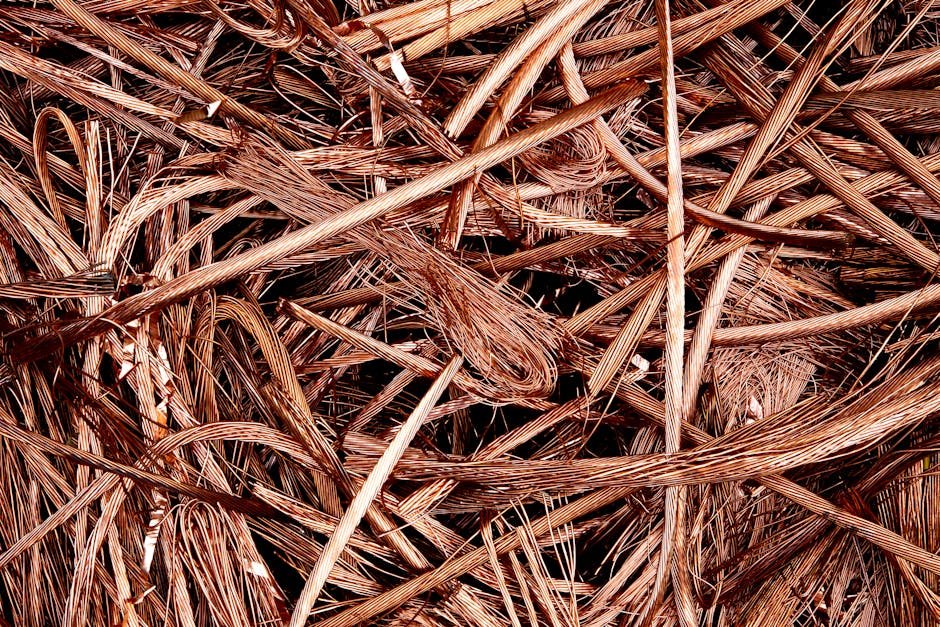

When you engage in scrap copper recycling Parramatta, you are participating in a vital circular economy that transforms industrial and residential waste into valuable raw materials. Copper is a highly sought-after commodity due to its infinite recyclability without loss of quality, making it a cornerstone of the Australian metal industry. Whether you are a tradesperson clearing a job site or a homeowner decluttering, understanding the nuances of the market is essential for maximizing your return.
The Importance of Copper Recycling in the Parramatta Region
Parramatta serves as a bustling hub of construction and infrastructure development, generating significant amounts of metallic waste. Efficiently managing this waste through professional recycling channels is not just an environmental necessity but a smart financial decision. By utilizing local services, such as those found through Scrap Metal Recycling Near Me, you ensure that high-value metals are diverted from landfills and returned to the manufacturing supply chain.
The process of recycling copper is remarkably energy-efficient compared to primary mining. Extracting virgin copper from ore requires intensive energy and creates substantial environmental degradation. In contrast, recycling copper uses up to 85% less energy. For businesses operating in the Western Sydney corridor, contributing to this cycle supports sustainability goals while providing a steady revenue stream. If you are looking for localized support in neighboring areas, you might also consider scrap copper recycling enfield or scrap copper recycling sefton to streamline your logistics.
Understanding Copper Grades: From Bare Bright to Number 2
To get the best copper price per kg, you must understand how scrap yards grade your material. The purity of the copper is the primary determinant of its value. The industry generally categorizes copper into specific grades:
- Bare Bright Copper: This is the gold standard of scrap. It consists of clean, unalloyed, uncoated, and uninsulated copper wire, typically 16-gauge or thicker. Because it requires no processing, it fetches the highest market price.
- Number 1 Copper: This grade includes clean copper pipe and tubing that is free of fittings, insulation, solder, or paint. It must be free of corrosion or heavy oxidation to qualify as Number 1.
- Number 2 Copper: This category includes copper that has been slightly contaminated. This might include copper wire with some solder, or pipe that has been painted or has heavy oxidation. It is still highly valuable but requires more processing at the refinery.
- Insulated Copper Wire: This is often sold based on the “recovery rate” of the copper inside the insulation. High-grade data cables or heavy-duty power cables command better prices than thin, low-yield wiring.
For those interested in the broader industry dynamics, joining a Copper Scrap Group can provide insights into how these grades fluctuate based on global demand. Understanding these classifications ensures you are not underselling your scrap when you visit a facility for scrap copper recycling Parramatta.
How the Recycling Process Works
The journey from a discarded pipe to a new component is a fascinating industrial process. Once copper reaches a recycling facility, it undergoes several stages:
- Collection and Sorting: Materials are inspected and separated by grade. Advanced technology, such as X-ray fluorescence (XRF) analyzers, may be used to verify the metal composition.
- Stripping and Cleaning: Insulated wires are fed into granulators or stripping machines to remove the plastic coating. This separates the copper from the PVC or rubber, which are also recycled separately.
- Shredding and Compacting: Large pieces of copper pipe or industrial machinery are shredded to reduce their volume, making them easier to transport and melt.
- Melting and Refining: The scrap is melted in large furnaces. During this phase, impurities are removed, and the molten metal is cast into ingots, billets, or wire rods.
- Manufacturing: The refined copper is sold to manufacturers to create everything from new electrical wiring and plumbing components to automotive parts and renewable energy infrastructure.
This closed-loop system is the foundation of the Scrap Trading Vs Recycling Business model. While traders focus on the arbitrage of market fluctuations, recyclers focus on the physical transformation of the material, both of which are essential for a healthy market.
Market Trends and the Copper Price Per Kg
The copper price per kg is influenced by a complex array of global factors. As a base metal, copper is often referred to as “Dr. Copper” because its price is seen as a barometer for the health of the global economy. When construction and manufacturing sectors are booming, demand for copper rises, driving up prices.
Local factors in Australia also play a role. The strength of the Australian dollar, logistics costs, and local demand for recycled materials all impact the rates offered at your local yard. To stay informed, it is recommended to monitor industry resources like Scrap Trade Australia, which provides up-to-date information on market movements. By keeping track of these trends, you can time your sales to maximize your profit, especially when dealing with large volumes of high-grade copper.
Environmental Benefits of Copper Recycling
Beyond the financial incentives, the environmental argument for recycling is compelling. Copper is a finite resource. By recycling, we reduce the need for further mining operations, which are notorious for habitat destruction, water pollution, and high carbon emissions. Every tonne of copper recycled saves approximately 3 tonnes of CO2 emissions compared to primary production.
Furthermore, recycling copper helps manage the growing challenge of electronic waste (e-waste). As our society becomes increasingly digitized, the amount of copper-rich e-waste grows exponentially. Professional recycling ensures that these materials are handled safely, preventing lead, mercury, and other hazardous substances often found in electronics from leaching into the soil and water supply in the Parramatta region.
Practical Tips for Maximizing Your Scrap Returns
To ensure you get the best value, preparation is key. Here are some expert tips for those looking to engage in scrap copper recycling Parramatta:
- Segregation is King: Never mix your grades. If you have a pile of clean copper pipe (Number 1) mixed with dirty, soldered pipe (Number 2), the buyer will likely grade the entire load as Number 2. Keep them separate to maintain the value of your high-grade material.
- Clean Your Material: Remove non-metallic attachments like steel fittings, brass valves, or plastic connectors. The cleaner the load, the higher the price.
- Strip Your Wires: If you have the time and the right equipment, stripping the insulation off copper wire can significantly increase your profit. However, weigh the time cost of stripping against the price difference; sometimes, selling high-quality insulated wire is more efficient than manual stripping.
- Build Relationships: If you are a regular contractor, establish a relationship with a reliable local yard. Consistent suppliers often get better service and potentially better pricing tiers.
- Safety First: Always wear appropriate personal protective equipment (PPE) when handling scrap, especially when dealing with sharp edges or old, dusty wiring.
By treating your scrap as a valuable product rather than just trash, you can turn a routine cleanup into a significant revenue stream. For more information on how to manage your metal assets effectively, visit Scrap Trade, where you can find comprehensive guides on industry best practices.
Future Outlook for the Copper Industry
The future of copper is intrinsically linked to the global transition toward renewable energy. Copper is essential for electric vehicles (EVs), wind turbines, and solar panels. As the world shifts away from fossil fuels, the demand for copper is projected to skyrocket. This long-term demand curve suggests that the value of scrap copper will remain robust, making it a reliable asset for those involved in the recycling industry.
In Parramatta, as urban renewal projects continue to evolve, the ability to source and process scrap copper locally will become even more critical. Businesses that invest in efficient recycling logistics today will be well-positioned to capitalize on the increasing importance of circular supply chains. Whether you are a small operator or a large industrial firm, participating in the recycling ecosystem is a forward-thinking move that benefits your bottom line and the planet.
Conclusion
Recycling is more than just an end-of-life disposal method; it is a vital industrial process that underpins the modern economy. By understanding the grades, monitoring the market, and partnering with reputable local facilities, you can maximize your returns while contributing to a sustainable future. Whether you are dealing with copper wire, copper pipe, or industrial-grade scrap, the principles of proper sorting and clean material handling remain the same. As you navigate the opportunities in scrap copper recycling Parramatta, remember that every piece of metal diverted from the waste stream is a step toward a more efficient and profitable future.
Frequently Asked Questions
What is the difference between bare bright copper and number 2 copper?
Bare bright copper is clean, unalloyed, and uncoated wire that is free of oxidation, making it the highest value grade. Number 2 copper is typically contaminated with solder, paint, or oxidation, which requires more processing at the refinery and therefore commands a lower price.
How can I get the best copper price per kg?
To get the best price, you should sort your copper by grade, remove any non-metallic attachments like plastic or steel fittings, and keep your materials clean. Selling in larger, well-sorted quantities to a reputable buyer will also help you secure better rates.
Is it worth stripping insulation from copper wire?
It depends on the thickness of the wire and the equipment you have. If the copper content is high and the insulation is easy to remove, stripping can significantly increase your profit; however, for very thin wires, the labor time may outweigh the price increase.
Why is scrap copper recycling important for the environment?
Recycling copper uses up to 85% less energy than mining and refining virgin ore. It also prevents valuable materials from ending up in landfills and reduces the environmental destruction associated with large-scale mining operations.