
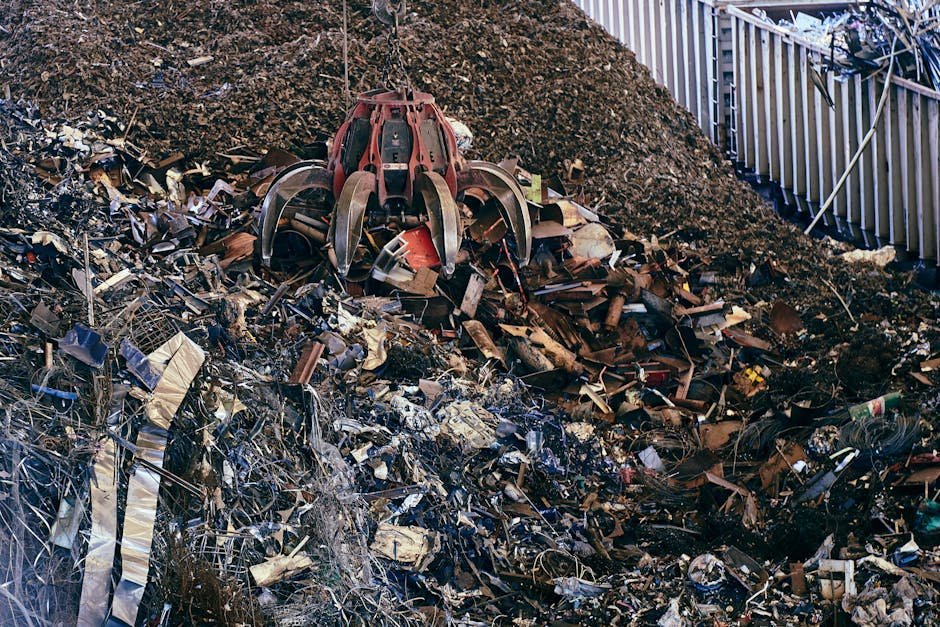

When searching for professional scrap recycling Ingleburn services, it is essential to understand the full lifecycle of the materials you handle. Ingleburn, as a key industrial hub in South Western Sydney, generates significant volumes of metal waste, making efficient recycling practices not just an environmental necessity, but a sound economic strategy for local businesses and contractors. Whether you are managing demolition debris or industrial offcuts, knowing how to navigate the market is crucial.
The Fundamentals of Scrap Metal Grades
To succeed in the metal market, one must first master the distinction between ferrous and non-ferrous metals. Ferrous metals contain iron, making them magnetic and generally more abundant. Common examples include mild steel, carbon steel, and cast iron. Because of their weight and volume, they are the backbone of the construction industry. When you engage in scrap steel recycling, you are contributing to a circular economy that drastically lowers the carbon footprint compared to refining virgin iron ore.
Non-ferrous metals, on the other hand, do not contain iron and are highly prized for their resistance to corrosion and their conductivity. This category includes copper, aluminium, brass, lead, and stainless steel. Copper is often the most valuable, frequently sourced from electrical wiring and plumbing fixtures. Identifying these grades accurately is the first step in ensuring you receive fair market value for your materials. If you are unsure where to start, searching for Scrap Metal Recycling Near Me can help you locate a facility equipped to grade your specific haul.
How the Recycling Process Works
The journey from scrap heap to raw material is a sophisticated industrial process. It begins with collection, where materials are gathered from construction sites, factories, and households. Once the scrap reaches a facility, the sorting phase commences. Advanced technology, including X-ray fluorescence (XRF) analyzers and magnetic separators, is used to ensure high purity levels. Purity is the primary driver of value in the metal industry.
After sorting, the metals are processed through shredding, shearing, or baling. Shredding breaks down large items into small pieces, which are then cleaned of non-metallic contaminants like plastic or rubber. These clean fragments are then melted in furnaces to create ingots or billets. Understanding recycling scrap metal is vital for anyone involved in the industrial supply chain, as it transforms waste into a high-demand commodity. For those looking to understand the broader market dynamics, it is helpful to look into Scrap Trading Vs Recycling Business to differentiate between the brokerage of metal and the physical processing of it.
The Environmental Benefits of Metal Recycling
The environmental impact of recycling scrap metal cannot be overstated. Mining virgin ore is an energy-intensive process that destroys habitats and produces massive amounts of greenhouse gas emissions. In contrast, recycling steel consumes approximately 75% less energy than producing it from raw materials. For aluminium, the savings are even more drastic, reaching up to 95%.
By participating in scrap recycling Ingleburn, local businesses contribute to the reduction of landfill waste, which is a major environmental concern in the Sydney basin. Recycling also prevents hazardous materials, such as lead or mercury found in older electronics, from leaching into the soil and water table. This commitment to sustainability is becoming a standard requirement for corporate social responsibility (CSR) reports. For those interested in the professional side of this industry, learning What Scrap Trade Actually Is provides the context needed to integrate these practices into your daily operations.
Navigating the Market: Trading vs. Recycling
Many participants in the scrap industry often confuse the roles of traders and recyclers. A recycler is typically a facility that physically handles, processes, and prepares the metal for smelters. A trader, conversely, may act as an intermediary, moving large volumes of scrap between sources and end-users without necessarily performing the physical processing. If you are a business owner in Ingleburn, you might find that partnering with a direct recycling facility provides better margins for your specific waste streams.
For those looking to expand their knowledge, the Scrap Trade portal offers extensive resources on market trends and commodity pricing. Additionally, for localized Australian market insights, the Scrap Trade Australia network provides a comprehensive view of the national landscape. Understanding the difference between these entities allows you to optimize your supply chain and ensure you are getting the best possible value for your scrap metal.
Maximizing Value: Practical Tips for Businesses
To maximize your returns, preparation is key. Never mix your metals. If you have a pile of mixed scrap, the recycler will often pay you the rate of the lowest-value metal in that pile. By separating your copper, brass, and aluminium from your steel, you ensure that you are paid the premium rate for each specific metal. Clean your scrap whenever possible. Removing excessive plastic, insulation, or wood from your metal items makes the processing easier for the facility, which often translates to higher buy-back prices.
Furthermore, keep an eye on market fluctuations. Metal prices are volatile and change based on global demand, particularly from manufacturing hubs in Asia. Timing your bulk disposals when prices are high can significantly impact your bottom line. Establish a consistent relationship with a reputable yard in Ingleburn to gain insights into when market conditions are favorable for selling.
Regulatory Compliance and Safety
Operating within the scrap industry requires strict adherence to environmental and safety regulations. In New South Wales, facilities must comply with EPA guidelines regarding the storage and handling of scrap metal to prevent soil contamination. When you choose a recycling partner, ensure they hold the necessary licenses and operate with transparent weighing and payment systems. Safety is equally critical; always wear appropriate PPE when handling scrap, as sharp edges and heavy objects pose significant risks. Proper documentation of your metal sales is also important for tax purposes and to ensure compliance with anti-theft legislation, which requires recyclers to record the details of sellers.
Future Trends in Metal Recovery
The future of scrap recycling Ingleburn is tied to the advancement of sensor-based sorting technologies. As we move toward a more digital economy, the ability to identify alloys with precision will become even more important. We are also seeing a shift toward ‘urban mining,’ where cities are viewed as repositories of valuable metals that can be recovered more efficiently than traditional mining. Companies that invest in these advanced recovery methods will lead the market in the coming decade, creating a more sustainable and profitable future for the scrap industry.
Conclusion
Recycling scrap metal is a cornerstone of modern industrial efficiency. By understanding the grades of metal, the logistics of the recycling process, and the significant environmental benefits, you can turn a waste management challenge into a profitable business opportunity. Whether you are a small contractor or a large industrial firm in Ingleburn, the principles of segregation, market timing, and choosing the right partners remain the same. Start by auditing your current waste stream, separating your materials, and engaging with professional recyclers who can help you achieve your sustainability goals while maximizing your financial returns.
Frequently Asked Questions
How do I know if my scrap metal is ferrous or non-ferrous?
The easiest way to test is by using a magnet. If the magnet sticks to the metal, it is ferrous (contains iron, like steel or iron); if it does not stick, it is non-ferrous (like copper, aluminium, or brass).
Why does separating my scrap metal matter?
Separating metals ensures you get the highest possible price for each type. If you mix high-value metals like copper with low-value steel, you will likely be paid the lower rate for the entire batch.
Is it better to sell to a trader or a recycler?
It depends on your volume and location. Recyclers are best if you have the ability to transport and sort the metal yourself, while traders may offer convenience or logistical support for large-scale industrial accounts.
What should I do before bringing my scrap to an Ingleburn facility?
Clean your scrap of non-metal contaminants like plastic, rubber, or wood, and sort your metals by grade. Always bring valid identification, as most professional yards require it for regulatory compliance.