
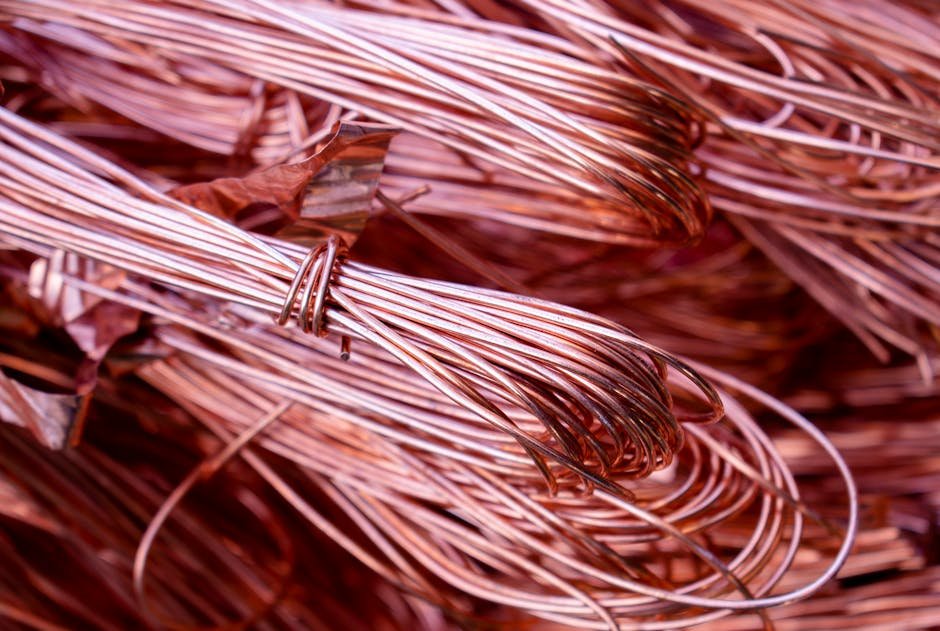

When it comes to copper recycling Minto, understanding the local market dynamics is essential for both industrial contractors and residential recyclers. Minto, as a key industrial hub in Sydney’s southwest, serves as a critical point for the collection and processing of high-value non-ferrous metals. Whether you are clearing out a construction site or managing industrial waste, knowing how to categorize your scrap metal ensures you receive the best financial return while contributing to the circular economy.
Understanding Copper Grades and Market Value
The value of your scrap is determined by its purity and the specific grade it falls into. In the industry, we classify copper based on its level of oxidation, insulation, and contamination. The highest tier is bare bright copper, which consists of clean, unalloyed, and uncoated copper wire or cable that is free of any insulation or oxidation. Because this material is essentially ready for the furnace, it commands the highest copper price per kg.
Moving down the ladder, we encounter number 2 copper. This grade typically includes copper that has some light oxidation or may contain minor impurities like solder, paint, or varnish. While it is still highly valuable, it requires more processing at the refinery, which is reflected in the price. Understanding these distinctions is the first step in successful metal recovery. For those looking for broader insights into the industry, our Recycling Community provides a wealth of information on how to handle various metal types effectively.
Why Minto is a Strategic Location for Scrap Metal
Minto’s strategic position within the Greater Sydney region makes it a primary destination for metal recycling. The proximity to major arterial roads allows for efficient transport of bulk scrap, which is vital for industrial operations. If you are searching for Scrap Metal Recycling Near Me, Minto offers facilities that are equipped to handle large-scale deliveries, including roll-on/roll-off bin services for construction and demolition sites.
By choosing a local facility for copper recycling Minto, you reduce the carbon footprint associated with transporting heavy metals. Furthermore, local recycling centers are often integrated into the broader Australian metal trading network, ensuring that you are receiving competitive, market-linked rates. Whether you are dealing with heavy-duty copper pipe from plumbing renovations or electrical cabling, local expertise is your best asset in ensuring the material is diverted from landfills and returned to the manufacturing supply chain.
Preparing Your Copper for Maximum Profit
Preparation is the difference between a standard payout and a premium return. Many recyclers lose money by failing to strip copper wire or by mixing clean copper with contaminated scrap. To get the most out of your scrap copper, follow these expert tips:
- Strip your cables: While labor-intensive, removing plastic insulation from copper wire significantly upgrades the grade from ‘insulated’ to ‘bare bright’.
- Sort by type: Keep your clean copper pipe separate from copper that has fittings, solder, or brass attachments.
- Clean your scrap: Remove excessive paint, grease, or dirt. While some oxidation is expected, excess debris lowers the weight-to-value ratio.
- Monitor the market: The copper price per kg fluctuates daily based on the London Metal Exchange (LME). Check local listings frequently to time your sale during market peaks.
For those located in other parts of the city, we also provide specialized guides for copper recycling penrith and copper recycling artarmon, ensuring that no matter where you are in Sydney, you have access to expert recycling advice.
The Environmental Impact of Copper Recycling
Copper is a 100% recyclable material that can be reprocessed indefinitely without losing its physical properties. When you engage in copper recycling Minto, you are participating in a process that requires up to 85% less energy than mining and refining virgin copper ore. This is a critical factor in reducing the environmental impact of the construction and electronics industries.
Modern recycling facilities use advanced technology to shred, granulate, and magnetically separate metals, ensuring that almost every ounce of copper is recovered. By choosing to recycle, you are helping to preserve natural landscapes that would otherwise be disturbed by open-pit mining. You can learn more about the global impact of these practices by visiting our primary platform for comprehensive industry reporting.
Safety and Logistics for Industrial Scrap
Managing large quantities of scrap copper requires strict adherence to safety protocols. Heavy metals can be hazardous if handled improperly, and the sheer weight of copper pipe or industrial bundles poses risks during loading and unloading. Always use appropriate personal protective equipment (PPE), including gloves and steel-toed boots, when handling scrap.
For industrial clients, logistics are paramount. If you are generating consistent scrap, consider establishing a recurring pickup schedule with a local Minto recycler. This not only keeps your worksite clean and compliant with safety regulations but also allows you to build a relationship with a buyer who can offer loyalty-based pricing. Proper documentation of your scrap sales is also essential for tax purposes and environmental reporting for your business.
Future Trends in the Copper Market
The demand for copper is projected to skyrocket over the next decade due to the global transition to renewable energy. Copper is the backbone of electric vehicles, wind turbines, and solar panel infrastructure. As the world electrifies, the demand for recycled copper will become even more critical to fill the supply gap that mining alone cannot cover.
This shift means that the value of scrap copper is likely to remain high, making it a valuable commodity for businesses to manage. By staying informed on global trends, you can better predict when to hold or sell your inventory. Keeping an eye on the copper price per kg is no longer just for professional traders; it is a smart move for any business owner looking to optimize their operational revenue.
Best Practices for Long-Term Scrap Management
To turn scrap management into a profit center, implement a ‘sort at source’ policy within your business. Provide clearly labeled bins for different grades of copper. This eliminates the need for sorting at the end of a project, saving time and labor costs. When your team knows the difference between bare bright and number 2 copper, your overall yield increases significantly.
Furthermore, maintain a relationship with a reputable buyer who provides transparency in their weighing and grading process. A trustworthy recycler will be happy to explain how they determine the grade of your material and how they calculate the final payment. This transparency is the cornerstone of a sustainable and profitable recycling partnership.
Conclusion: Taking Action in Minto
Copper recycling is a vital component of the modern industrial economy. By understanding the grades, preparing your materials correctly, and working with experienced local partners, you can maximize your financial returns while supporting a sustainable future. Minto stands as a beacon for efficient recycling in Sydney, and by taking the steps outlined in this guide, you are ensuring that your business is operating at peak efficiency.
Whether you are a professional contractor or a residential recycler, the principles of high-value recovery remain the same. Start by sorting your materials, track the daily market prices, and utilize the resources provided by our Recycling Community to stay ahead of the curve. Your commitment to proper recycling not only benefits your bottom line but also secures the supply of critical materials for generations to come.
Related: Scrap Copper
Frequently Asked Questions
What is the difference between bare bright and number 2 copper?
Bare bright copper is clean, unalloyed, and uncoated wire or cable, which fetches the highest price. Number 2 copper includes wire or pipe that has light oxidation, paint, or minor impurities like solder, making it slightly less valuable.
How often does the copper price per kg change?
The copper price per kg is tied to the London Metal Exchange (LME) and fluctuates daily based on global supply and demand. It is recommended to check current market rates on the day you plan to sell your scrap.
Can I recycle insulated copper wire?
Yes, you can recycle insulated copper wire, but it will be graded differently than bare copper. For the best return, consider stripping the insulation off the wire to convert it into bare bright or number 2 copper.
Where can I find reliable copper recycling in Minto?
You can find reputable recycling facilities in Minto by searching for local scrap metal yards that offer competitive, transparent pricing. Always look for facilities that provide clear grading documentation and fair weighing practices.