
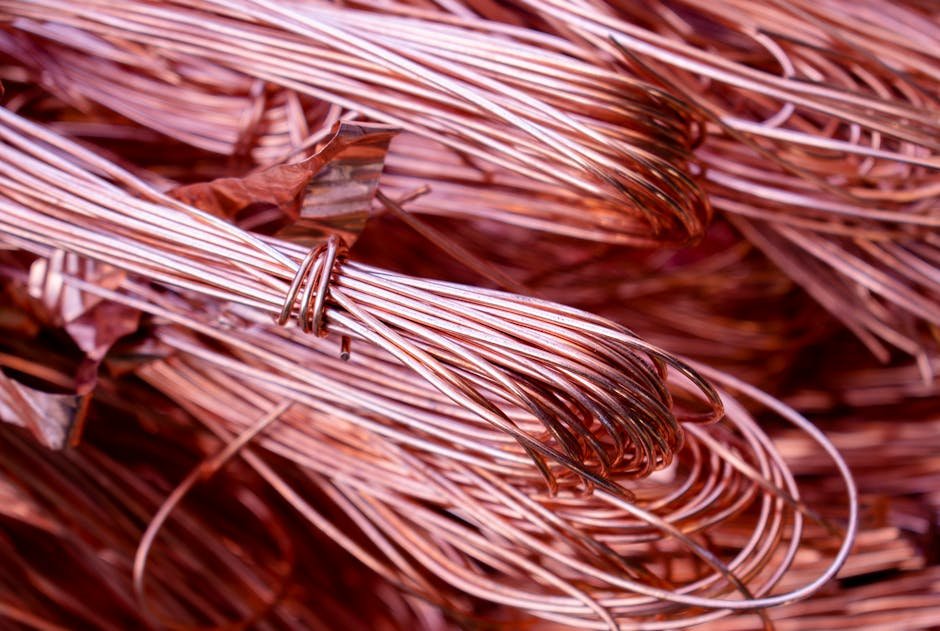

When it comes to copper recycling Campbelltown, residents and tradespeople alike have a unique opportunity to turn waste into significant financial gain. As the Macarthur region continues to grow, the demand for sustainable waste management and metal recovery has reached an all-time high. Whether you are a plumber clearing out old copper pipe from a renovation, or an electrician managing bundles of copper wire, understanding how to grade and prepare your metal is the key to maximizing your profit. This guide serves as your authoritative resource for navigating the local scrap market, ensuring you get the best copper price per kg while contributing to a healthier environment.
The Economic and Environmental Impact of Copper Recycling
Copper is one of the most recycled metals on the planet, and for good reason: it retains 100% of its properties regardless of how many times it is melted down. In Campbelltown, the shift toward a circular economy is being driven by both industrial necessity and individual participation. By engaging in professional Scrap Copper recovery, you are reducing the massive energy costs associated with mining virgin ore. Extracting copper from the earth is an energy-intensive process that leaves a heavy carbon footprint, whereas recycling existing copper uses up to 85% less energy.
For the local economy, recycling facilities act as vital hubs. When you choose to process your scrap locally, you are supporting a broader Recycling Community that keeps materials out of landfills and back into the manufacturing supply chain. This is particularly relevant for those in surrounding suburbs, where specialized services like copper recycling ingleburn or copper recycling minto offer localized convenience. By keeping scrap metal within the local industrial loop, you help stabilize supply chains and provide raw materials for Australian manufacturers, further cementing the importance of responsible disposal.
Understanding Copper Grades: Bare Bright vs. Number 2
To get the best return, you must understand how scrap yards categorize copper. The grading system is universal, but your preparation determines your payout. The highest-paying grade is Bare Bright copper. This consists of clean, unalloyed, uncoated, and uninsulated copper wire, typically 16 gauge or thicker. It must be free of paint, solder, or any oxidation. If your copper wire has a slight sheen or is shiny and bright, it qualifies as Bare Bright and will fetch the highest copper price per kg in the region.
Next is Number 2 copper, which is the most common grade found in residential settings. This category includes copper pipe that has been used in plumbing, which often contains solder joints, paint, or minor corrosion. While it fetches a slightly lower price than Bare Bright, it is still highly valuable. It is crucial to remove any non-metallic attachments, such as plastic fittings, brass valves, or heavy steel attachments, before heading to a facility for Scrap Metal Recycling Near Me. The cleaner your load, the higher your profit margin. If you are unsure about the grading of your scrap, consult with a professional at a reputable scrap metal trading platform to ensure you are accurately sorting your materials.
Preparation Tips for Maximum Profit
Preparation is the secret weapon of the professional scrapper. If you bring a mixed bin of junk to a yard, you will likely be paid at the lowest rate. However, if you take the time to strip insulation from your copper wire, you can often double or triple your earnings. Use a manual or electric wire stripper to remove the PVC coating. While it takes time, the difference in the price between insulated wire and clean copper is substantial. Always keep your grades separated in different bins or bags before arriving at the yard.
For those dealing with copper pipe, use a pipe cutter to remove any brass fittings or heavy solder sections. While brass is also a valuable metal, it is priced differently than copper. By separating these metals, you ensure that you are paid the specific market rate for each material. Additionally, keep your copper dry. Moisture and dirt can add unnecessary weight and may lead to oxidation, which can downgrade your copper from a higher tier to a lower one. For more detailed advice on handling large quantities, visit our industrial scrap metal portal to see how large-scale contractors manage their site waste.
Navigating the Campbelltown Scrap Market
The scrap metal industry is dynamic, with prices fluctuating daily based on global demand, the London Metal Exchange (LME), and currency exchange rates. Because of this, it is vital to stay informed. A price that is valid today might change by next week. When searching for copper recycling Campbelltown, prioritize facilities that offer transparent pricing and use certified scales. A reputable yard will allow you to see the weighing process and provide a clear breakdown of the grades and weights on your receipt.
Proximity is another factor. While you might be tempted to travel further for a marginal price increase, consider the cost of fuel and your time. Often, the convenience of a local yard outweighs the small difference in price. If you are based in the southern part of the region, you might find that the logistics of transport favor local drop-offs. Always call ahead if you have a significant volume of scrap, as some yards may offer better rates or specialized pickup services for large commercial quantities of copper.
Safety and Legal Considerations
Safety should always be your priority when handling scrap metal. Copper pipe can have sharp edges, and old wiring can be brittle or contain hazardous residues. Always wear heavy-duty gloves and protective eyewear when cutting or stripping metal. If you are dismantling old industrial equipment, ensure that you have the necessary authorization and that you are not handling items that contain hazardous substances like asbestos or lead-based paint. Responsible recycling also means being aware of the law; never attempt to scrap stolen property. Reputable yards in Campbelltown are strictly regulated and will require identification to process large transactions, which helps prevent the trade of stolen goods.
Furthermore, consider the environmental impact of your scrap. If you are dealing with large-scale demolition waste, ensure that you are disposing of non-metallic components at appropriate waste management facilities. By keeping your scrap clean and free of contaminants, you make the recycling process more efficient for the facility, which in turn helps maintain a sustainable price point for everyone in the industry. The goal is to move toward a system where every piece of metal is recovered and reused, minimizing the need for new mining operations.
The Future of Copper in the Green Transition
As the world moves toward renewable energy, the demand for copper is skyrocketing. Copper is essential for electric vehicles (EVs), wind turbines, and solar panels. This long-term demand shift suggests that the value of copper will remain robust in the coming years. By participating in the local recycling market, you are not just making a quick buck; you are participating in the supply chain of the green energy revolution. The copper you recycle today could very well end up in the wiring of a new EV or a high-efficiency power grid component tomorrow.
This shift also brings new opportunities for those in the Campbelltown area. As more industries prioritize ESG (Environmental, Social, and Governance) goals, the demand for certified, recycled copper will continue to rise. Companies are increasingly looking for ways to reduce their Scope 3 emissions, and sourcing recycled materials is a primary method of achieving this. If you are a business owner, documenting your recycling efforts can even provide tax benefits and improve your company’s sustainability profile. The synergy between individual scrappers and large-scale industrial recyclers is what makes the circular economy work.
Expert Insights: Scaling Your Recycling Efforts
For those looking to turn copper recycling into a consistent side hustle or a business, consistency is key. Establish relationships with local tradespeople who generate regular scrap. Plumbers, electricians, and HVAC technicians are often happy to offload their scrap to a reliable collector rather than dealing with the hassle of sorting and transporting it themselves. By acting as an intermediary, you can accumulate larger volumes, which may qualify you for better pricing tiers at recycling yards.
Efficiency is also critical. Invest in quality tools, such as high-leverage wire strippers and proper storage bins. Keep an organized inventory of your scrap, tracking the dates and prices at which you sell. This data will help you understand market trends and identify the best times to sell your accumulated stock. Remember that the market is global; when the Australian dollar is weaker, the price of exported commodities like copper often rises. Watching these indicators will give you a professional edge in the competitive landscape of metal trading.
Conclusion: Why Local Recycling Matters
The decision to recycle your copper is a win-win scenario. You get paid for materials that would otherwise end up in a landfill, and the environment benefits from the conservation of resources and energy. In Campbelltown, the infrastructure for effective recycling is well-established, making it easier than ever to participate. By following the tips outlined in this guide—sorting your metals, cleaning your copper, and staying informed about market prices—you can ensure that you are getting the absolute best value for your scrap.
Whether you are a DIY enthusiast, a professional tradesperson, or a business owner, your contribution to the Recycling Community matters. Every kilogram of copper recovered is a step toward a more sustainable future. As you continue to explore the opportunities in the scrap market, remember to utilize the resources available at our scrap trading platform to keep track of the latest industry news, price trends, and best practices. By staying connected and informed, you can maximize your returns and play an active role in the circular economy of the Macarthur region.
Frequently Asked Questions
What is the best way to prepare copper wire for recycling?
The best way to prepare copper wire is to strip off all plastic insulation using a wire stripper. Clean, bare copper wire is classified as ‘Bare Bright’ and fetches a significantly higher price than insulated wire.
Does the price of copper change daily?
Yes, copper prices fluctuate daily based on global market conditions, including the London Metal Exchange and currency exchange rates. It is recommended to check current rates before visiting a scrap yard.
Why is my copper pipe classified as Number 2 copper?
Copper pipe is typically classified as Number 2 because it often contains solder, paint, or minor oxidation from use in plumbing systems. To increase its value, remove any non-copper attachments like brass valves or steel fittings.
Do I need ID to sell scrap copper in Campbelltown?
Yes, reputable scrap metal yards in Australia are required by law to record the details of sellers to prevent the trade of stolen property. Always bring a valid government-issued photo ID when selling your scrap.