
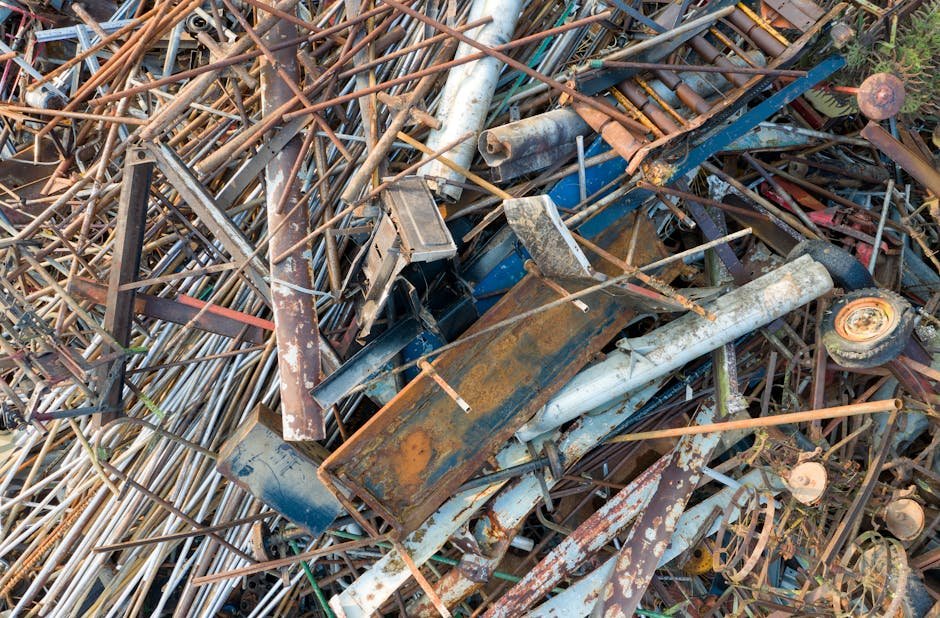

Finding reliable scrap metal buyers Sydney is the first step toward turning industrial waste, old appliances, or construction debris into a profitable asset. As the city continues to grow, the demand for sustainable material recovery has never been higher. Whether you are a trade professional in Western Sydney or a homeowner looking to clear out a garage, understanding the local market dynamics is essential for getting the best value for your materials. Navigating the industry requires knowledge of metal grades, current market fluctuations, and the logistical requirements of recycling centers across New South Wales.
Understanding the Scrap Metal Market in Greater Sydney
The scrap metal industry in NSW is a vital component of the circular economy. When you look for a reputable scrap metal trading platform, you are participating in a global supply chain that transforms end-of-life products into raw materials for manufacturing. In a bustling metropolitan area like Greater Sydney, the volume of metal generated from demolition, manufacturing, and automotive industries is significant. To make the most of your scrap, you must understand that pricing is not arbitrary; it is tied to the London Metal Exchange (LME) and local demand.
If you are wondering where to find the best rates, it is helpful to first check the current Scrap Metal Prices to ensure you have a baseline expectation. Trusted dealers operate with transparency, providing clear weighing procedures and fair grading. For those in specific industrial hubs, such as the southwest corridor, specialized services like scrap metal buyers ingleburn provide localized logistics, making it easier to transport heavy loads without incurring excessive fuel costs.
How to Identify Trusted Scrap Metal Buyers Sydney
Not all scrap yards are created equal. When selecting a partner to purchase scrap, look for facilities that hold valid environmental licenses and provide accurate, calibrated scales. A professional scrap buyer will be able to explain exactly how they grade your material, whether it is high-value copper, aluminum, or bulk steel. Transparency is the hallmark of a trusted professional.
Consider the logistical footprint. If you are located in Western Sydney, you need a partner that understands the specific transport regulations of the region. Furthermore, if you are looking to Sell Scrap Metal Near Me In 2026, you should prioritize companies that offer digital tracking and instant payment solutions. By engaging with verified Australian-based recycling experts, you ensure that your materials are processed in compliance with NSW environmental protection laws, preventing hazardous dumping and promoting sustainable resource recovery.
Comprehensive Breakdown of Metal Grades
To maximize your profit, you must understand the difference between ferrous and non-ferrous metals. Ferrous metals contain iron and are generally magnetic. This category includes steel, iron, and cast iron. While these are often lower in price per kilogram, they are highly sought after in large volumes for construction and infrastructure projects.
Non-ferrous metals—such as copper, aluminum, brass, and lead—are far more valuable due to their scarcity and the energy required to mine them from scratch. For those searching for scrap metal sydney services, separating these metals before arrival is the single most effective way to increase your payout. Mixing brass with steel, for example, will result in a lower “mixed scrap” price. Always aim to keep your high-value non-ferrous materials clean, free of plastic insulation, and sorted by type.
- Copper: The gold standard of scrap. Look for bright, shiny copper (Grade 1) versus oxidized or burnt wire.
- Aluminum: Found in window frames, cans, and automotive parts. Ensure it is free of plastic and steel attachments.
- Brass: Commonly found in plumbing fixtures and fittings.
- Stainless Steel: Highly durable and valuable, often found in industrial kitchen equipment.
- Steel/Iron: The bulk of the market. Ensure it is free of hazardous materials like gas cylinders or sealed containers.
The Process: From Collection to Circular Economy
The recycling process is a sophisticated cycle that begins the moment you drop off your materials. Once a scrap buyer accepts your load, the material is weighed on certified scales. From there, it is sorted, processed, and often shredded. Shredding is a critical step that allows for the magnetic separation of ferrous metals from non-ferrous materials using eddy current separators and other advanced technologies.
For those interested in the broader impact of their actions, exploring options for Scrap Metal Recycling Near Me helps you understand how your specific contribution reduces the need for virgin mining. Mining and refining raw ore is an incredibly energy-intensive process that releases vast amounts of carbon dioxide. By recycling, we reduce the energy consumption of manufacturing by up to 95% for aluminum and 80% for copper. This is the core of the circular economy: keeping materials in the loop for as long as possible.
Environmental Benefits and Regulatory Compliance in NSW
The NSW government has stringent regulations regarding the handling and processing of scrap metal. This is designed to prevent soil contamination and ensure that hazardous materials, such as lead-acid batteries or fluids from end-of-life vehicles, are disposed of safely. When you choose a certified buyer, you are ensuring that these environmental standards are met.
Beyond the legal requirements, there is a moral imperative. Sydney’s rapid urbanization generates thousands of tonnes of metal waste annually. If this waste is sent to a landfill, it occupies valuable space and can leak heavy metals into the groundwater. By choosing to recycle, you are directly contributing to the preservation of the Greater Sydney environment, ensuring a cleaner, more sustainable future for the next generation.
Logistics and Practical Tips for Sellers
Efficiency is key when dealing with scrap metal. If you are planning a large-scale clean-up, consider the following tips to streamline your experience:
- Pre-Sort Your Load: Never arrive with a mixed trailer. Separate your copper, aluminum, and steel into distinct piles or containers.
- Clean Your Metal: Remove non-metal attachments like plastic, wood, or rubber. The cleaner the metal, the higher the grade and the better the price.
- Check Market Hours: Many scrap yards in Sydney have specific hours for commercial vehicles versus public drop-offs. Call ahead to confirm.
- Safety First: Always wear gloves and sturdy footwear. Scrap metal can be sharp and heavy; prioritize your safety during the loading and unloading process.
- Documentation: For large commercial quantities, keep records of your sales for tax and business reporting purposes.
By following these best practices, you minimize your time at the yard and maximize your financial return. Remember, the scrap metal market is dynamic. If you have significant quantities, it can pay to build a relationship with a local buyer who can provide you with regular updates on market trends and price shifts.
Future Trends: The Evolution of Scrap Metal in 2026 and Beyond
As we move toward 2026, the scrap metal industry is undergoing a digital transformation. We are seeing the rise of integrated trading platforms that offer real-time pricing, automated scheduling, and improved logistics. This shift is making it easier than ever for the average person to participate in the recycling economy. The integration of blockchain for material tracking is also on the horizon, promising greater transparency in the supply chain.
Furthermore, the demand for recycled metals is set to skyrocket as the world transitions to renewable energy technologies. Electric vehicles, wind turbines, and solar arrays are all metal-intensive. The scrap metal you recycle today could very well end up as a component in the next generation of green technology. This is why the role of scrap metal buyers Sydney is becoming increasingly central to the global sustainability agenda. By engaging with this industry, you are not just clearing out clutter; you are fueling the transition to a greener, more efficient global economy.
Conclusion: Taking Action Today
The journey toward effective metal recycling in Sydney starts with a single decision: to treat your scrap as a valuable resource rather than waste. Whether you are a construction firm in Western Sydney or a resident clearing out a shed, the infrastructure exists to support your efforts. By choosing to work with trusted, licensed professionals, you ensure that your materials are handled with the highest standards of safety and environmental care.
Remember to stay informed about current market prices, keep your materials sorted, and choose partners that value transparency and sustainability. The scrap metal industry is a cornerstone of the Australian economy, and your participation is vital. Start by identifying your local recycling facility, preparing your scrap for transport, and contributing to a cleaner, more profitable, and more sustainable future for all of New South Wales.
Frequently Asked Questions
How do I get the best price for my scrap metal?
The best way to maximize your return is to sort your metals by type (e.g., copper, aluminum, steel) and ensure they are clean of non-metal contaminants like plastic or wood. Checking current market prices before you sell also helps you understand the value of your specific materials.
Are there specific items I cannot sell to a scrap yard?
Most scrap yards will not accept hazardous materials, such as sealed gas cylinders, radioactive materials, or items containing asbestos. Always check with your local buyer regarding their specific acceptance policies before transporting your load.
Do I need identification to sell scrap metal in NSW?
Yes, under the Scrap Metal Industry Act 2016 in NSW, scrap metal dealers are required to verify the identity of the person selling the metal. Be prepared to provide a valid photo ID and potentially your vehicle registration details.
What is the difference between ferrous and non-ferrous metals?
Ferrous metals contain iron and are magnetic, such as steel and iron, and are typically lower in value. Non-ferrous metals do not contain iron, are non-magnetic, and include high-value materials like copper, brass, and aluminum.