
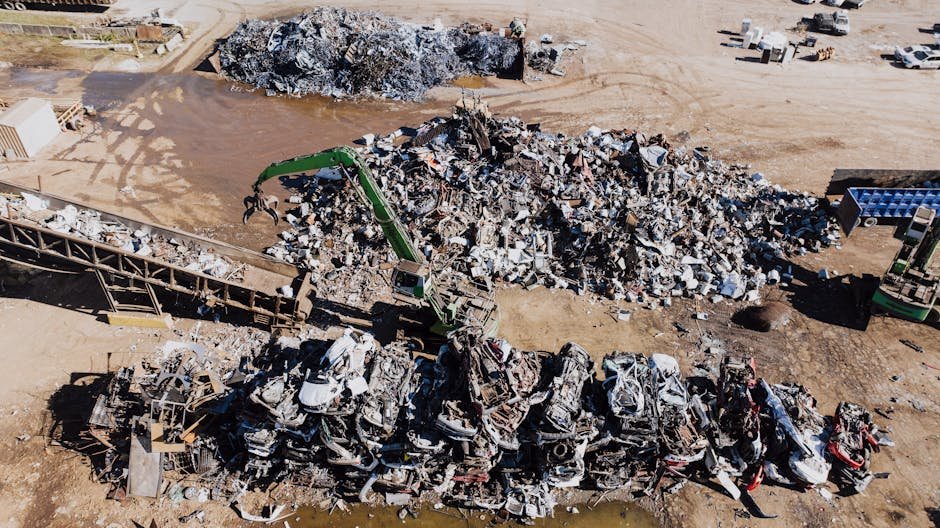

Navigating the complex landscape of commercial scrap metal Sydney operations requires a deep understanding of market dynamics, material grading, and environmental compliance. As Sydney continues to grow, the demand for efficient metal recovery systems has never been higher. Whether you are managing a demolition site in Western Sydney or overseeing manufacturing waste on the North Shore, professional recycling is the backbone of a circular economy in New South Wales.
Understanding Metal Grades and Classification
To maximize the value of your waste, it is essential to categorize materials correctly. Metal recycling facilities classify scrap into two primary categories: Ferrous and Non-Ferrous. Ferrous metals, such as iron and steel, contain carbon and are magnetic. These are common in construction beams, heavy machinery, and structural components. In contrast, non-ferrous metals—including copper, aluminium, brass, and stainless steel—do not contain iron and are generally more valuable due to their corrosion resistance and infinite recyclability.
For businesses looking to Sell Scrap Metal Near Me In 2026, understanding these grades is critical. Copper, for instance, is graded based on purity, with ‘Bright and Shiny’ (uncoated, unalloyed) fetching the highest market rates. Aluminium is graded by its alloy type, such as 6063 or 5052, commonly found in window frames and extrusion offcuts. Knowing your grade allows you to track Scrap Metal Prices accurately and negotiate better terms with your chosen recycler.
In the context of commercial scrap metal Sydney, businesses should implement on-site segregation protocols. By using clearly labelled bins for different metal types, you prevent cross-contamination, which significantly lowers the value of a load. When you partner with reputable scrap metal buyers sydney, they will provide the necessary infrastructure to make this process seamless.
The Lifecycle: How Commercial Recycling Works
The recycling process is a sophisticated industrial operation designed to transform waste into high-quality feedstock. It begins with collection and transportation. In a bustling metropolis like Greater Sydney, logistics are key. Professional recyclers utilize hook-lift trucks and specialized containers to clear industrial sites efficiently. Once the material reaches the processing facility, it undergoes rigorous sorting using advanced technologies like X-ray fluorescence (XRF) analyzers to determine exact chemical compositions.
After sorting, the material is shredded or sheared to reduce volume. This makes it easier to transport and prepare for the furnace. The shredded metal is then cleaned of contaminants like plastics, rubber, or dirt using magnetic separators and eddy current separators. Finally, the processed metal is melted into ingots or billets, ready to be sold to manufacturers. This closed-loop system is essential for industries across New South Wales, ensuring that raw materials are kept in the economy rather than ending up in landfills.
If you are searching for Scrap Metal Recycling Near Me, look for providers that utilize modern, EPA-compliant facilities. Transparency in the weighing and grading process is a hallmark of a professional service provider. You can find more resources on industry standards at Scrap Trade Australia, which offers comprehensive insights into the national recycling landscape.
Environmental Benefits and Sustainability
Recycling metal is one of the most effective ways to reduce industrial carbon footprints. Producing new metal from virgin ore is an energy-intensive process that involves mining, crushing, and smelting. For example, recycling aluminium saves approximately 95% of the energy required to produce the same amount of aluminium from bauxite ore. By choosing to recycle, Sydney businesses directly contribute to a reduction in greenhouse gas emissions and the preservation of natural landscapes.
In the Greater Sydney region, strict environmental regulations govern how waste is managed. Commercial entities have a legal and ethical responsibility to ensure their waste streams are handled by licensed professionals. Proper recycling prevents hazardous substances—often found in electronic scrap or industrial machinery—from leaching into the soil and water tables. This commitment to sustainability not only benefits the environment but also enhances a company’s ESG (Environmental, Social, and Governance) profile, which is increasingly important for stakeholders and clients alike.
Logistics and Site Management in Sydney
Managing scrap metal on a commercial site requires strategic planning. Whether you are in a high-density area like North Shore or a sprawling industrial zone in Western Sydney, site accessibility and safety are paramount. Effective scrap management starts with a tailored collection schedule. High-volume producers should opt for dedicated bin services to prevent site clutter and safety hazards.
Safety is non-negotiable. Metal processing involves heavy machinery, sharp edges, and hazardous materials. A professional scrap metal sydney provider will ensure that all OH&S (Occupational Health and Safety) requirements are met during the collection and loading phases. This includes providing trained staff, appropriate PPE, and clear communication channels to ensure that the removal process does not disrupt your daily operations. For more information on optimizing your site’s scrap flow, visit Scrap Trade for industry-leading strategies.
The Economic Impact of Scrap Trading
The scrap metal industry is a vital component of the Australian economy. It creates thousands of jobs, from collection and transport to advanced metallurgical processing. When you engage in commercial scrap metal Sydney recycling, you are supporting a local supply chain that feeds back into Australian manufacturing. The prices for scrap are influenced by global demand, particularly from major industrial hubs in Asia and Europe, making it a dynamic and exciting market to participate in.
For businesses, the financial incentive is clear. Instead of paying for waste disposal, you can turn your scrap into a revenue stream. By staying informed about market fluctuations and working with reliable buyers, you can maximize your returns. Many businesses use the money generated from their scrap sales to offset the costs of new equipment or facility upgrades, creating a sustainable financial model for their operations.
Future-Proofing Your Recycling Strategy
As we look toward 2026 and beyond, the industry is shifting toward greater transparency and digital integration. Smart weighing systems, real-time reporting, and blockchain-based tracking are becoming the standard. Businesses that adopt these technologies now will be better positioned to capitalize on future market trends. It is no longer enough to just ‘get rid’ of scrap; companies must view their metal waste as a valuable asset that requires careful management.
Start by auditing your waste streams. Identify which metals are produced in the highest volumes and where they are located on your site. Establish a relationship with a recycler who understands the specific needs of your industry. Whether it is precision engineering, automotive manufacturing, or large-scale construction, there is a recycling solution tailored to your operational requirements. By taking a proactive approach, you ensure your business remains compliant, profitable, and environmentally responsible.
Frequently Asked Questions
The following questions address common concerns for businesses operating in the Sydney metal recycling sector. If you have further inquiries regarding specific material grades or collection schedules, please contact our expert team directly.
- How are scrap metal prices determined? Prices are influenced by global supply and demand, the LME (London Metal Exchange) rates, and the purity of the material. Local factors like transport costs and processing requirements in Sydney also play a role.
- What documentation is required for commercial scrap collection? Most reputable recyclers require a tax invoice, proof of identity for the driver, and sometimes an environmental impact assessment or waste transfer certificate, depending on the volume and type of material.
- Can I recycle mixed metal loads? Yes, but it is highly recommended to segregate metals at the source. Mixed loads often attract lower prices because the recycler must invest more time and energy into manual or mechanical sorting.
- How often should I schedule scrap pick-ups? This depends on your volume. High-output sites benefit from scheduled weekly or fortnightly pickups, while smaller sites can utilize ‘on-call’ services to ensure their bins are cleared before they become a safety hazard.
In conclusion, the commercial scrap metal industry in Sydney is a cornerstone of modern industrial efficiency. By understanding the nuances of metal grading, prioritizing safety, and partnering with experienced recyclers, businesses can transform their waste into a profitable and sustainable resource. Whether you are operating in the heart of the city or the outer suburbs of New South Wales, the path to a cleaner, more profitable future starts with professional scrap management.
Frequently Asked Questions
How are scrap metal prices determined?
Prices are primarily influenced by global commodity markets, such as the London Metal Exchange, combined with local demand, transport costs, and the purity of the scrap provided.
What documentation is required for commercial scrap collection?
You will typically need a tax invoice and identification for the site manager. Larger loads may require a waste transfer certificate to ensure compliance with NSW environmental regulations.
Can I recycle mixed metal loads?
While recyclers can process mixed loads, it is not recommended as it significantly reduces the value of the material. Sorting your metals at the source ensures you receive the best market rates.
How often should I schedule scrap pick-ups?
The frequency depends on your production volume. We recommend a scheduled service for high-output sites to maintain safety and efficiency, while on-call services suit smaller, irregular volumes.