
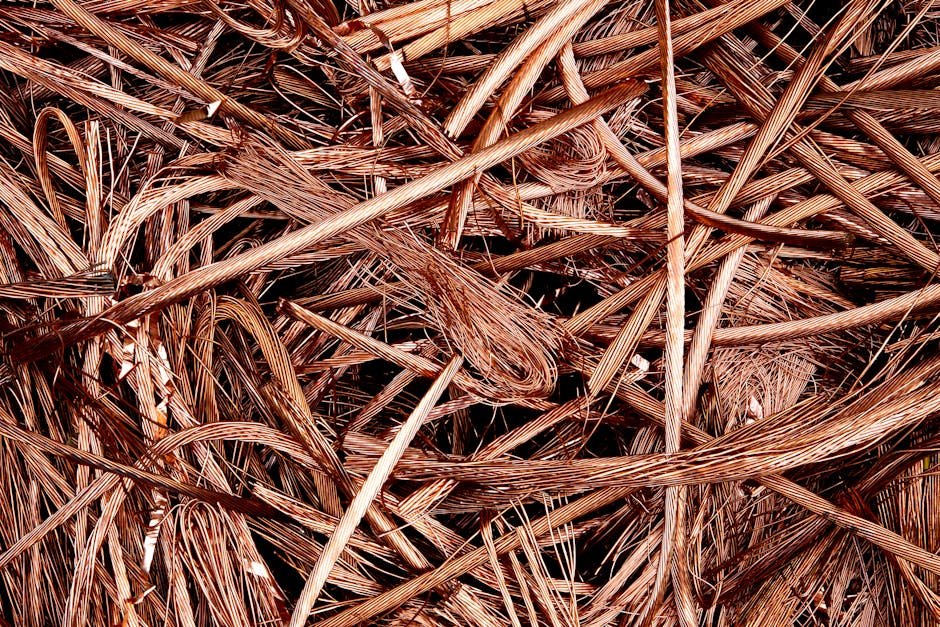

Understanding the current copper scrap price is essential for anyone looking to profit from metal recycling in Australia. Whether you are a trade professional, a demolition contractor, or an individual clearing out a workshop, knowing the market dynamics allows you to time your sales for maximum return. At Scrap Trade, we are committed to transparency in the recycling industry, ensuring that you receive fair market value for your materials.
How Copper Scrap Prices Are Determined
The copper scrap price is not a static figure; it is a complex derivative of global financial markets. The primary benchmark for all global metal trading is the London Metal Exchange (LME). When you search for current scrap prices, you are essentially looking at a local reflection of the LME spot price, adjusted for currency exchange rates (USD to AUD), local logistics, processing costs, and the specific grade of the metal.
Because copper is a globally traded commodity, its value is sensitive to macroeconomic factors. Industrial demand from major manufacturing hubs—particularly in China and Southeast Asia—plays a significant role. When construction projects increase, the demand for new copper wiring and piping rises, which in turn drives up the value of recycled copper. Conversely, economic downturns can lead to a softening of these prices. Furthermore, the strength of the Australian Dollar (AUD) against the US Dollar (USD) is a critical factor. Since copper is traded in USD, a weaker Australian dollar can sometimes inflate the local copper scrap price, providing a better payout for domestic sellers.
Local factors also play a massive role. If you are searching for Scrap Copper Prices Near Me, you will notice that prices vary between regions due to transport costs and the proximity to major shipping ports. For those located in Victoria, checking the specific scrap copper price melbourne or the copper scrap price melbourne is vital, as logistics costs are already factored into the dealer’s offer.
Understanding Copper Grades and Quality
To get the best return, you must understand how recyclers grade your haul. Copper is categorized into various grades based on purity, insulation, and contamination levels. The higher the purity, the higher the price per kilogram.
- Bare Bright Copper: This is the gold standard. It consists of unalloyed, uncoated, and unalloyed copper wire, typically 16 gauge or thicker, free of oxidation or insulation. It is essentially clean, shiny, and ready for immediate smelting.
- Number 1 Copper: This grade includes clean copper pipe or heavy-gauge wire that may have slight oxidation but is free of solder, paint, or other attachments.
- Number 2 Copper: This is the most common grade for general scrap. It includes copper that has been soldered, has paint, or is slightly contaminated. It requires more processing by the recycling facility to remove the impurities.
- Insulated Copper Wire: This falls into its own category. The value depends on the “recovery rate”—the amount of pure copper contained within the plastic insulation. Heavy-duty power cables often have a higher copper-to-plastic ratio than thin data cables.
When you bring your Scrap Copper to a facility, the staff will perform a visual inspection and potentially use a handheld XRF (X-ray fluorescence) analyzer to determine the exact composition. Removing attachments like brass fittings, steel valves, or plastic connectors before you arrive will significantly increase your profit margin.
The Environmental and Economic Impact of Recycling
Recycling is not just about the money; it is a cornerstone of the circular economy. Copper is 100% recyclable without any loss of quality. This means that a copper pipe recycled today can be transformed into a new electrical component or building material tomorrow. This process is remarkably efficient compared to mining virgin ore.
Mining copper is an energy-intensive process that involves massive land disruption, water consumption, and the generation of tailings. In contrast, recycling copper uses up to 85% less energy than producing copper from raw ore. By choosing to recycle your scrap, you are actively reducing the carbon footprint of the manufacturing sector. For more insights into how other metals are trending, you might find our analysis on the Aluminum Scrap Price In 2026 useful for long-term planning.
As Australia moves toward a greener future, the demand for copper is expected to surge. Copper is a critical component in electric vehicles (EVs), renewable energy infrastructure, and high-tech electronics. As the world transitions away from fossil fuels, the recycling industry will become the primary supplier of the copper needed for this green revolution. By participating in professional metal recycling services, you are contributing to a sustainable supply chain.
Factors That Affect Your Payout
Beyond the global market price, several practical factors influence the final amount you receive at the weighbridge. First and foremost is the volume. Scrap yards often offer better rates for bulk quantities because they reduce the cost of handling and administrative overhead. If you have a large demolition project, it pays to call ahead and negotiate a rate based on your volume.
Contamination is the primary reason for lower-than-expected payouts. If you have a pile of copper pipe, ensure it is free of lead solder, plastic fittings, or steel brackets. If you have copper wire, stripping the insulation can sometimes yield a higher price, but only if the cost of your labor is lower than the price difference between insulated and bare copper. Always calculate the weight of the insulation versus the weight of the copper before deciding to strip it by hand.
Market volatility is another factor. Prices for metal prices today are updated in real-time. If you are holding a large amount of scrap, it is wise to monitor the market over a week to identify a peak. However, do not wait too long; the cost of storage and potential oxidation of your copper can outweigh the benefits of a slight price increase.
Practical Tips for Sellers
If you are new to the scrap game, here are some actionable tips to ensure you are treated as a professional seller:
- Sort your materials: Never mix different grades of copper. A single piece of brass or steel in a bin of high-grade copper can downgrade the entire batch to a lower price point.
- Keep it clean: Remove as much non-copper material as possible. Use a pipe cutter to remove soldered joints from copper pipe.
- Know your weight: Use a reliable set of scales at home to get an estimate of what you are bringing in. This helps you verify the reading on the scrap yard’s certified weighbridge.
- Build a relationship: If you are a regular trader, introduce yourself to the yard manager. Consistent, high-quality scrap suppliers are often offered loyalty pricing or faster service.
- Safety first: Always wear gloves and protective eyewear when handling scrap. Copper edges can be razor-sharp, and old wiring can have frayed insulation that poses a shock risk.
By following these steps, you demonstrate that you are a serious seller, which often leads to better service and more transparent dealings at the yard.
Future Outlook for the Copper Market
The long-term outlook for copper remains bullish. As the world becomes increasingly electrified, copper is being dubbed the “metal of the future.” The transition to renewable energy requires significantly more copper per megawatt of power generation than traditional coal or gas plants. Furthermore, the expansion of 5G networks and data centers requires massive amounts of high-quality electrical grade copper.
For the average person, this means that the value of your scrap is likely to remain stable or grow over the coming decade. While short-term fluctuations are inevitable, the fundamental demand for copper is tied to the global transition to a sustainable economy. Staying informed through our regular updates on metal prices today will help you make the best decisions for your scrap inventory.
In Australia, the scrap industry is also becoming more regulated and professional. This is a positive development, as it ensures that illegal dumping is minimized and that all recyclers adhere to strict environmental standards. When you choose to deal with reputable platforms, you are supporting an industry that prioritizes both economic and environmental health.
Conclusion
Maximizing your returns in the copper recycling industry requires a combination of market knowledge, proper preparation, and choosing the right partner. Whether you are dealing with a small amount of copper wire from a home renovation or a large commercial quantity, understanding the grade and the current market conditions is the key to success. Remember that prices are dynamic, influenced by everything from global LME trends to local logistics in cities like Melbourne.
We encourage you to treat your scrap as a valuable resource rather than waste. By sorting your materials, removing contaminants, and staying informed about market movements, you turn a simple cleanup job into a profitable venture. For the most accurate and up-to-date information, continue to monitor our resources and utilize our tools to find the best local prices. Your commitment to recycling not only puts money back in your pocket but also supports the essential infrastructure of our modern, sustainable world.
Frequently Asked Questions
What is the best way to get the highest price for my copper?
To get the highest price, ensure your copper is clean and sorted by grade. Removing insulation from wires and taking off any steel, brass, or plastic attachments will ensure you are paid for the highest possible grade.
Does the price of copper change every day?
Yes, copper prices are tied to global commodity markets like the London Metal Exchange. As a result, local scrap yards adjust their buy-back prices daily to reflect these fluctuations.
Is it worth stripping the insulation off copper wire?
It depends on the time and labor involved. If you have a large volume of heavy-gauge wire, stripping it may significantly increase your profit, but for thin data cables, the labor cost often outweighs the price difference.
Why do scrap yards ask for ID when I sell copper?
In Australia, scrap metal dealers are required by law to verify the identity of sellers to prevent the trade of stolen goods. Always bring a valid government-issued photo ID when visiting a yard.