
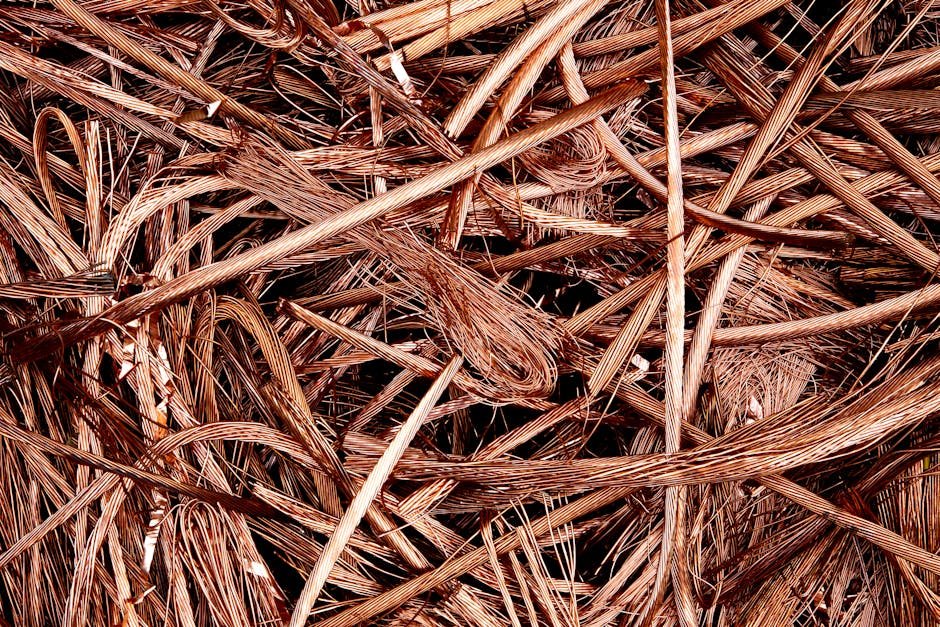

Navigating the complex landscape of scrap copper prices Sydney requires an understanding of both global commodity markets and local industrial demand. As a primary conductor in electrical systems and a staple in plumbing, copper remains one of the most valuable non-ferrous metals in the recycling industry. Whether you are a trade professional clearing a job site or a homeowner with leftover copper wire, understanding how to maximize your returns starts with knowing the current market value per kg and how to grade your materials effectively.
Understanding How Scrap Copper Prices Sydney Are Set
The pricing of scrap metal is not arbitrary; it is tethered to the London Metal Exchange (LME). The LME sets the global benchmark for copper, which then filters down to local refineries and scrap yards. When you look up scrap copper prices Sydney, you are seeing a local derivative of this global price, adjusted for currency fluctuations (AUD/USD), processing costs, and local logistics.
Several factors influence the daily volatility of these prices. First, global industrial demand—particularly from manufacturing hubs in Asia—drives the base price. When infrastructure projects increase, demand for copper rises, pushing prices up. Second, the cost of energy and transportation in Sydney plays a significant role. Because copper is dense and heavy, the logistics of moving it from a collection point to a processing facility are factored into the final offer you receive. For those looking for the most accurate data, checking Scrap Prices regularly is essential to ensure you are selling when the market is favourable.
The Importance of Copper Grades: From Bare Bright to Number 2
To get the best price, you must understand how recyclers grade your scrap. Not all copper is created equal, and the purity of the metal is the primary determinant of its value.
- Bare Bright Copper: This is the gold standard. It consists of unalloyed, uncoated, and uninsulated copper wire or cable, typically 16 gauge or thicker. It must be free of oxidation and debris. Because it requires minimal processing to be melted down into new products, it commands the highest price per kg.
- Number 1 Copper: This includes clean copper pipe and wire that may have slight oxidation but is free of solder, paint, or other contaminants.
- Number 2 Copper: This grade includes copper that has been soldered, has minor oxidation, or contains small amounts of non-copper attachments. It requires more intensive processing, which is why it fetches a lower price than bare bright.
- Insulated Copper Wire: The value here depends on the “recovery rate”—the amount of actual copper metal remaining after the plastic insulation is stripped away.
By sorting your material before heading to the yard, you can significantly increase your payout. Many in the Copper Scrap Group emphasize that contamination is the biggest killer of profits. A single piece of brass fitting or a lead-soldered joint can downgrade an entire load from Number 1 to Number 2.
How the Recycling Process Works
The journey of your scrap metal is a fascinating cycle of sustainability. Once you deliver your scrap to a facility or arrange for a scrap copper pick up sydney, the material undergoes a rigorous process. First, it is weighed and inspected for quality. Advanced technology, such as X-ray fluorescence (XRF) analyzers, may be used to determine the exact composition of alloys.
After sorting, the copper is shredded or granulated to remove insulation and foreign materials. Powerful magnets and air separators pull out ferrous metals and plastics, leaving behind pure copper granules. These granules are then melted in furnaces to create new copper ingots or billets. This entire process uses up to 85% less energy than mining and refining virgin copper ore. By participating in copper recycling, you are not just making money; you are contributing to a circular economy that preserves natural resources and reduces the carbon footprint of the manufacturing sector. For more information on how this industry operates, visit the official scrap trade portal for industry insights.
Economic and Environmental Benefits of Recycling
The environmental impact of copper recycling cannot be overstated. Mining virgin copper involves open-pit mining, massive water consumption, and the production of toxic tailings. In contrast, recycled copper is infinitely recyclable without losing its chemical or physical properties. Every tonne of recycled copper saves approximately 3 tonnes of CO2 emissions compared to primary production.
Economically, recycling provides a stable supply of raw materials for Australian manufacturers. By selling your scrap to reputable dealers, you keep the material within the local supply chain, supporting jobs in the processing and logistics sectors. If you are a business owner looking for a reliable partner, researching scrap metal metal prices sydney will help you identify yards that offer competitive rates and transparent weighing practices. Engaging with professional recyclers ensures that your waste is handled according to strict environmental regulations, preventing hazardous materials from ending up in landfills.
Practical Tips for Maximizing Your Returns
If you want to get the most out of your scrap, preparation is key. Here are some expert tips to ensure you are getting the best copper price per kg:
- Clean your scrap: Spend time removing non-copper attachments. If you have copper pipe with brass fittings, cut the fittings off. The brass is valuable on its own, but mixed with copper, it lowers the value of the entire batch.
- Strip your wire: While it takes time, stripping the plastic insulation off high-grade copper wire can double or triple the price you receive. Use a wire-stripping machine if you have large volumes.
- Store it correctly: Keep your scrap in a dry, covered area. Oxidation (the green tarnish) can lower your grade.
- Know your volume: Some yards offer tiered pricing based on weight. If you have a large load, call ahead to negotiate a better rate.
- Use online resources: Always check the professional scrap trade network to stay updated on market trends.
If you are unsure about the value of your pile, you can always search for Scrap Copper Prices Near Me to find local yards that provide real-time quotes. Building a relationship with a single, trusted yard is often better than chasing small price differences across town, as loyalty and consistent volume often lead to better service and long-term pricing agreements.
The Future of Metal Prices Today
As we look toward the future, the demand for copper is expected to skyrocket. The global transition to renewable energy—specifically electric vehicles (EVs) and wind turbines—requires significantly more copper than traditional combustion-engine vehicles and fossil fuel power plants. An electric vehicle, for instance, uses four times the amount of copper as a standard car. This structural shift in demand suggests that metal prices today are likely to remain robust in the long term.
Technological advancements in sorting, such as AI-driven optical sorters, are also making the recycling process more efficient, allowing yards to pay more for lower-grade materials. As a seller, staying informed about these trends will help you time your sales effectively. Keep an eye on market reports and don’t be afraid to ask your local yard how their grading processes are evolving. The more you know about the supply chain, the more you can leverage your scrap as a valuable financial asset rather than just “trash.”
Conclusion
Maximizing your returns on scrap metal is about more than just finding the highest number; it is about understanding the quality of your material, the timing of the market, and the importance of working with reputable recyclers. By properly sorting your copper wire and copper pipe, you ensure that you receive the highest possible payout while supporting the vital environmental work of metal recovery. Whether you are a small-scale recycler or a contractor managing industrial waste, the information provided here serves as a foundation for your success in the Sydney scrap market. Remember to stay updated, keep your materials clean, and utilize professional networks to ensure you are always getting a fair deal. The value of your scrap is a reflection of the global demand for a sustainable future, and by recycling, you are playing a direct role in that mission.
Frequently Asked Questions
What is the difference between Number 1 and Number 2 copper?
Number 1 copper is clean, unalloyed, and free of solder or oxidation, making it highly valuable. Number 2 copper contains minor contaminants like solder, paint, or oxidation, which requires more processing and therefore commands a lower price.
How often do scrap copper prices change?
Scrap copper prices are tied to the London Metal Exchange and fluctuate daily. It is recommended to check current market rates on the day you plan to sell.
Is it worth stripping insulation from copper wire?
Yes, stripping insulation significantly increases the value of the copper because the recycler does not have to pay for the weight of the plastic or perform the stripping themselves. However, ensure the time spent stripping is cost-effective for the volume you have.
Why does oxidation affect the price of copper?
Oxidation, or the green tarnish on copper, represents a loss of pure metal through chemical reaction. Because the recycler must remove this layer to reach the pure copper underneath, the material is downgraded to a lower grade.