
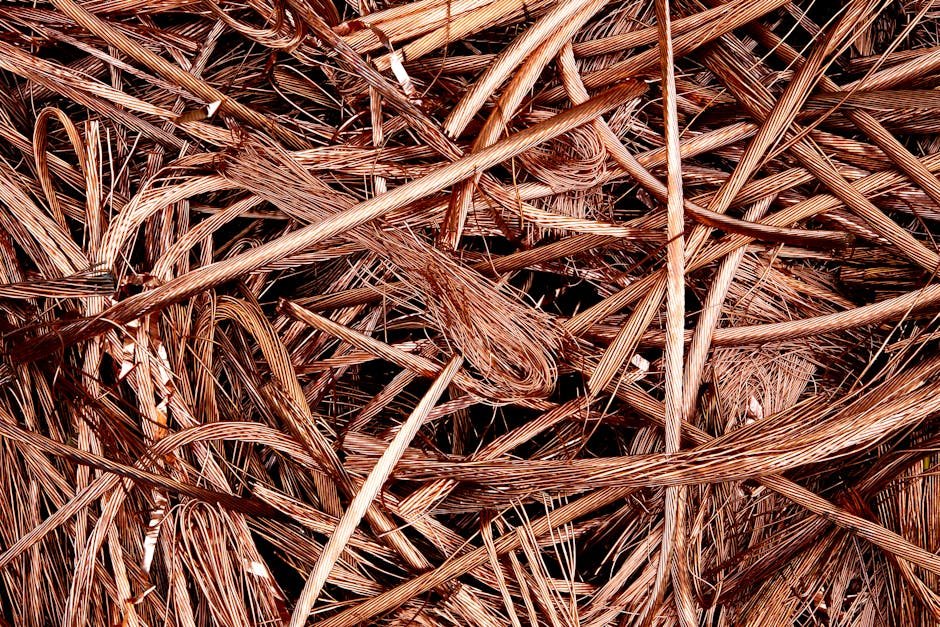

The phrase “bass island scrap copper pick up” refers to specialized services that collect and recycle copper materials in Bass Island, Australia. These services cater to the unique needs of scrap metal traders, industrial facilities, and DIYers by accepting a wide range of copper grades, including copper wire, copper pipe, and other conductive materials. Understanding the grades of scrap copper, the recycling process, and the environmental benefits of copper recycling is essential for maximizing returns and contributing to sustainability efforts.
Overview of Bass Island Scrap Copper Pick-Up Services
Bass Island, a hub for maritime and industrial activity in Australia, has a growing demand for efficient scrap copper recycling. Local businesses and residents can leverage services like ScrapTrade to book pickups for copper waste, ensuring proper handling and competitive copper price per kg offers. These services often collaborate with regional networks such as the Copper Scrap Group to streamline logistics and market access.
Grades of Scrap Copper Accepted at Bass Island
Copper scrap is categorized into grades based on purity, condition, and usability. The most common grades collected during bass island scrap copper pick up include:
- Bare Bright Copper: Clean, uninsulated copper wire or tubing with no oxidation or contaminants. This grade commands the highest copper price per kg due to its high conductivity.
- Number 2 Copper: Mixed copper materials that may include insulation, paint, or light dirt. Examples include copper wire with PVC coating or slightly tarnished copper pipe.
- Heavy Wall Copper Pipe: Thick-walled copper tubes often used in plumbing, which are valued for their durability and metal content.
- Red Copper: Unalloyed copper with minimal impurities, typically used in electrical applications.
Proper sorting of these grades before pickup ensures higher payouts. For example, separating number 2 copper from bare bright copper can increase your revenue by up to 30%.
How the Copper Recycling Process Works
The process of recycling copper during a bass island scrap copper pick up involves several stages:
- Collection: Traders or residents schedule a pickup for copper waste, such as discarded scrap copper from demolition sites or manufacturing facilities.
- Sorting and Cleaning: The collected copper is sorted by grade. Contaminants like plastic insulation in copper wire are removed to maximize purity.
- Shredding and Melting: Cleaned copper is shredded and melted in furnaces to remove impurities and create molten copper.
- Refining and Casting: The molten copper is purified further and cast into ingots or other forms for resale to manufacturers.
This closed-loop recycling system ensures that up to 95% of copper can be recovered and reused indefinitely, reducing the need for virgin mining.
Environmental Benefits of Scrap Copper Recycling
Recycling copper during a bass island scrap copper pick up significantly reduces environmental impact compared to extracting new copper. Key benefits include:
- Energy Savings: Recycling copper uses 85% less energy than mining and refining copper ore.
- Reduced Mining Waste: Recycling diverts copper from landfills and minimizes soil and water contamination from mining activities.
- Lower Carbon Emissions: The recycling process generates 90% fewer greenhouse gas emissions than primary production.
For instance, recycling 1 ton of copper saves approximately 14,000 kWh of energy and 6,000 kg of carbon dioxide emissions, according to the International Copper Association.
Practical Tips for Maximizing Value During Pick-Up
Businesses and individuals can optimize their returns from bass island scrap copper pick up by following these practices:
- Separate Grades: Keep bare bright copper and number 2 copper in separate containers to avoid downgrading the entire batch.
- Check Local Prices: Use tools like Scrap Copper Prices Near Me to compare copper price per kg offers from different recyclers.
- Remove Non-Copper Materials: Strip copper wires from plastic insulation and remove any mixed metals to improve the purity of your scrap.
- Leverage Bulk Pickups: Large quantities of scrap copper, such as copper pipe from construction projects, often qualify for discounted pickup fees.
For example, a Bass Island business that recycles 500 kg of number 2 copper annually could save $2,000+ by choosing a recycler offering premium rates for well-sorted materials.
Why Choose Bass Island for Copper Recycling
Bass Island’s strategic location and industrial infrastructure make it a prime location for scrap copper recycling in Australia. The island’s proximity to major ports facilitates efficient transport of recycled copper to smelters and manufacturers across the country. Additionally, local recycling firms prioritize compliance with environmental regulations, ensuring that all copper wire, copper pipe, and other materials are processed sustainably.
Residents can also explore nearby options like the Bass Hill scrap copper pick up and scrap copper pick up Bass Hill services for added convenience.
Conclusion
Bass Island scrap copper pick up services provide a vital link between waste management and sustainable resource use. By understanding the grades of scrap copper, the recycling process, and the environmental benefits, individuals and businesses can contribute to a circular economy while maximizing their returns. For more information on copper recycling, visit ScrapTrade Australia or book a pickup today.
Frequently Asked Questions
What are the most valuable copper grades for recycling?
Bare bright copper and heavy wall copper pipe are the highest-value grades due to their purity and conductivity. These materials typically fetch higher copper price per kg compared to mixed grades like number 2 copper.
How is copper wire classified during recycling?
Copper wire is categorized into grades such as bare bright copper (uninsulated) and number 2 copper (insulated or contaminated). Proper sorting ensures accurate pricing and maximizes returns for sellers.
What environmental benefits does copper recycling provide?
Copper recycling reduces energy consumption by 85%, lowers carbon emissions, and minimizes mining waste. It also conserves natural resources by reusing up to 95% of collected copper.
How can I prepare my copper scrap for pickup in Bass Island?
Sort your scrap into grades like bare bright copper and number 2 copper, remove non-metallic materials, and check current copper prices to ensure competitive offers.