
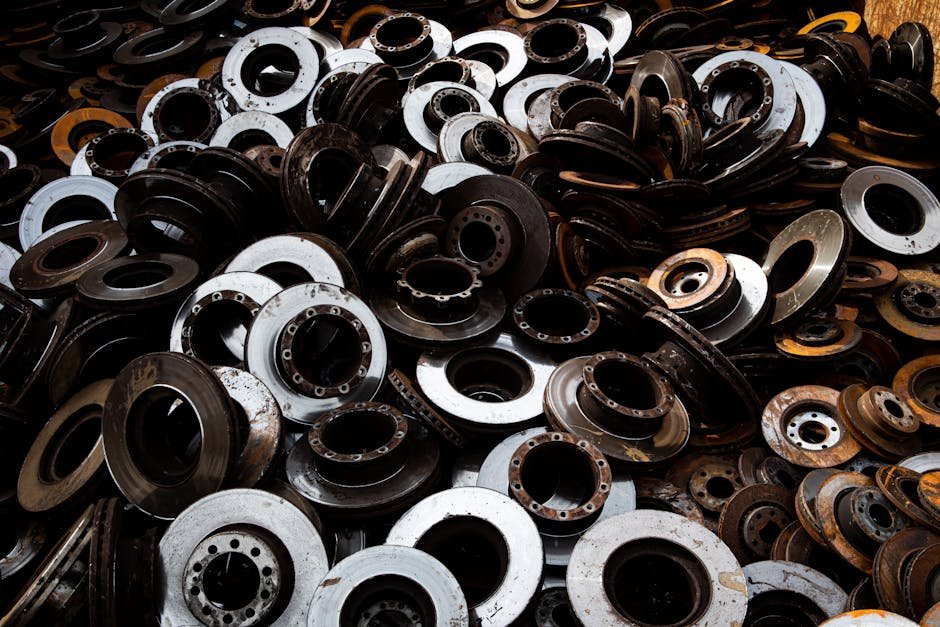

When you want to sell ferrous metal glenfield, the process starts with understanding the market, preparing your material, and choosing a reputable scrap dealer who offers cash for scrap and transparent pricing.
Overview of Ferrous Metal Recycling in Glenfield
Glenfield, a suburb of Sydney, sits within a robust industrial corridor where steel mills, construction firms, and demolition companies generate large volumes of ferrous scrap daily. The local recycling ecosystem is supported by accredited scrap dealers who purchase ferrous metal at rates tied to global steel prices. Knowing the flow of metal through this network helps you position your scrap for the highest return.
Australian scrap traders operate under strict environmental and safety regulations, meaning that any dealer you work with must hold a licence from the NSW Environment Protection Authority. This ensures that the metal you sell is processed responsibly and that you receive a fair, market‑linked price.
Understanding Ferrous Metals and Their Value
Ferrous metals contain iron and are magnetic, making them easy to separate from non‑ferrous streams. Common grades include mild steel, carbon steel, and stainless steel alloys. Their value is driven by three main factors: global steel demand, the purity of the scrap, and the weight of the material.
For example, clean, uncoated mild steel typically commands a higher rate than heavily rusted or painted steel because it requires less processing. Stainless steel, while still ferrous, often fetches a premium due to its alloying elements. Understanding these nuances lets you sort your scrap more efficiently, which in turn improves the price you receive.
Preparing Your Ferrous Scrap for Sale
Preparation is where many sellers lose money. Follow these steps to maximise your payout:
- Segregate by grade: Separate mild steel from stainless steel and cast iron. Use a magnet to confirm ferrous content.
- Remove contaminants: Strip away non‑metal components such as wood, plastic, or insulation. Even small amounts of non‑metal can lower the price.
- Cut to size: Dealers prefer bundles that fit into their balers or shredders. Cutting large beams into 2‑meter sections reduces handling costs.
- Weigh accurately: Use a calibrated industrial scale. Many dealers charge by the kilogram, and a 1 % error can cost you hundreds of dollars.
- Document the batch: Keep a simple log of grade, weight, and condition. This log becomes part of the paperwork you present at the time of sale.
When you have a clean, well‑documented batch, you are in a stronger position to negotiate the best price and get paid promptly.
Where to Sell: Choosing the Right Scrap Dealer
The question of where to sell is critical. Not all scrap dealers offer the same rates, services, or compliance standards. Here are three criteria to evaluate:
- Licensing and accreditation: Verify the dealer’s licence on the NSW EPA website. Licensed dealers must adhere to strict reporting and environmental standards.
- Price transparency: Reputable dealers publish daily ferrous metal rates that track the London Metal Exchange (LME). Compare these rates across at least three dealers before committing.
- Payment terms: Some dealers pay cash on the spot, while others issue electronic transfers within 24 hours. Choose the method that aligns with your cash‑flow needs.
For a quick start, you can use tools like the Sell Scrap Metal Near Me In 2026 locator to find licensed facilities within a 20‑kilometre radius of Glenfield. This service also aggregates current rates, helping you identify where to sell for the best price.
Another useful resource is the national directory of scrap dealers, which lists contact details, operating hours, and accepted metal grades. By contacting multiple dealers, you can arrange a price quote and schedule a pickup that fits your schedule.
Negotiating the Best Price
Negotiation is where knowledge translates into profit. Follow these tactics to secure the highest cash for scrap:
- Know the market rate: Check the latest LME steel price and the local dealer’s published rate. Use this as a baseline for your discussion.
- Leverage batch quality: Highlight the purity, accurate weight, and clean condition of your ferrous metal glenfield batch. Dealers reward sellers who minimise processing work.
- Bundle volumes: Offering larger quantities often unlocks volume discounts, increasing the per‑kilogram price you receive.
- Ask for a price lock: If you have a scheduled delivery, request that the dealer lock in today’s rate for the next 48 hours to protect you from market volatility.
- Consider repeat business: Establishing a regular supply relationship can lead to preferential pricing and faster payment cycles.
In addition to local dealers, you may explore specialised markets for high‑grade ferrous scrap. For instance, the sell ferrous metal minto page demonstrates how sellers in other NSW regions achieve premium rates by targeting steel manufacturers that require specific alloy compositions.
Documentation and Legal Requirements
Australian scrap transactions are subject to strict documentation to ensure traceability and compliance with tax regulations. The following documents are typically required:
- Proof of identity: A government‑issued ID (driver’s licence or passport) for the person authorising the sale.
- Business registration: If you operate as a company or sole trader, provide an ABN (Australian Business Number) certificate.
- Weight ticket: A calibrated scale reading signed by the dealer, confirming the net weight of the ferrous metal.
- Material safety data sheet (MSDS): Required if the scrap contains hazardous coatings or residues.
- Invoice or receipt: The dealer must issue a tax invoice that details the weight, grade, price per kilogram, and total amount paid.
Keeping organized records not only satisfies legal obligations but also builds credibility with future buyers, making it easier to get paid quickly.
Additional Tips for Maximising Profit
Beyond the core steps, consider these advanced strategies:
- Seasonal timing: Steel prices often rise in the lead‑up to construction booms (typically early spring). Align your sales with these cycles.
- Explore niche markets: Certain ferrous alloys are in demand for automotive or aerospace applications. The Sell Metal Powder Scrap Atomized Metal Powders service illustrates how specialised buyers will pay a premium for high‑purity powders.
- Utilise coil scrap opportunities: If you have sheet metal in coil form, the Sell Metal Coil Scrap Sheet Metal In Coil Form platform connects you with manufacturers that recycle coils directly, often offering better rates than bulk baled scrap.
- Leverage online marketplaces: Platforms like Scrap Trade aggregate dealer offers and allow you to request quotes without leaving your workshop.
- Maintain a clean brand: Consistently delivering high‑quality, well‑documented batches encourages dealers to prioritise your business and may result in loyalty discounts.
By integrating these tactics, you turn a routine transaction into a strategic revenue stream, ensuring you always get paid the best price for your ferrous metal glenfield.
Conclusion: Turning Ferrous Scrap into Cash
Selling ferrous metal glenfield in the Sydney region is a straightforward process when you understand the market, prepare your material, choose a licensed scrap dealer, and negotiate with data‑backed confidence. Follow the step‑by‑step guidance above, keep meticulous records, and stay informed about price trends, and you will consistently receive cash for scrap that reflects the true value of your metal.
For further assistance, visit Scrap Trade Australia, where industry experts provide free consultations and up‑to‑date pricing tools.
Related: sell scrap metal glenfield
Frequently Asked Questions
What documents do I need to sell ferrous metal in Glenfield?
You will need a government‑issued ID, your ABN certificate if you operate a business, a calibrated weight ticket signed by the dealer, any relevant MSDS for coated materials, and a tax invoice from the dealer.
How can I ensure I get the best price for my scrap?
Check the current LME steel price, compare rates from at least three licensed dealers, present clean and accurately weighed batches, and negotiate volume discounts or price locks.
Is cash for scrap still common in Australia?
Yes, many licensed scrap dealers offer cash on the spot or electronic transfers within 24 hours, especially for high‑quality ferrous metal batches.
Where can I find a reputable scrap dealer near Glenfield?
Use tools like the Sell Scrap Metal Near Me In 2026 locator, verify the dealer’s NSW EPA licence, and read online reviews to choose a dealer that offers transparent pricing and prompt payment.