
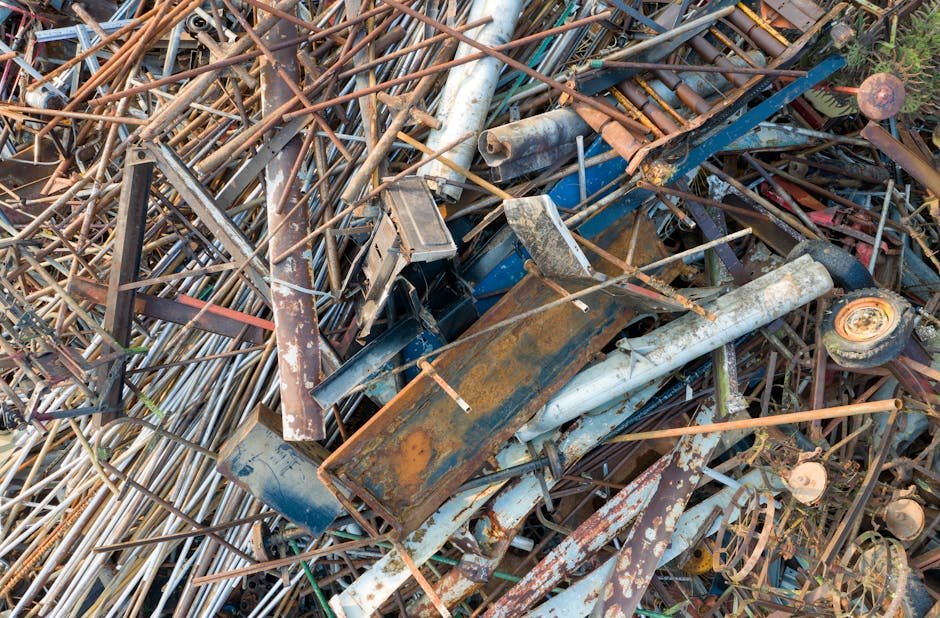

When searching for scrap metal Parramatta solutions, it is essential to understand that the industry is driven by global commodity markets and local logistical efficiency. As Western Sydney continues to undergo massive infrastructure development, the volume of industrial, commercial, and residential scrap metal generated in the region is at an all-time high. Whether you are a construction firm clearing a site or a homeowner cleaning out a garage, understanding how to categorize, prepare, and trade your metal is the key to maximizing value and minimizing environmental impact.
For those ready to turn their waste into profit, you can Sell Scrap Metal Near Me In 2026 by utilizing our streamlined digital platform. Navigating the complexities of the scrap market requires local knowledge, especially when comparing services across the Greater Sydney region. If you are looking for reliable Scrap Metal Recycling Near Me, it is important to choose a facility that offers transparent weighing and competitive pricing. For a broader overview of the industry, visit our professional scrap metal trading portal to stay updated on market trends.
Understanding Metal Grades and Classification
The value of your scrap is determined primarily by its grade. In the scrap metal industry, metals are split into two main categories: ferrous and non-ferrous. Ferrous metals, such as iron and steel, contain carbon and are magnetic. While they are abundant, they generally command lower prices per tonne than non-ferrous metals. Non-ferrous metals, including copper, aluminium, brass, lead, and stainless steel, do not contain iron and are highly resistant to corrosion, making them significantly more valuable. When dealing with scrap metal Parramatta yards, you will often hear terms like ‘clean copper’ or ‘heavy melting steel’.
Clean copper refers to wire or pipe that is free of insulation, paint, or solder. This is considered the ‘gold standard’ of scrap. Conversely, ‘dirty’ copper still attached to plastic or other contaminants will fetch a lower price because the recycling facility must invest additional energy to strip or clean it. Aluminium is another major commodity. You will find it in everything from window frames to beverage cans. Sorting your scrap by grade before arriving at the yard is the most effective way to ensure you receive the best Scrap Metal Prices available.
Beyond basic categorization, there are specific industrial grades. For instance, ‘HMS 1 & 2’ (Heavy Melting Steel) is a common grade for construction beams and heavy machinery. Understanding these classifications helps you communicate effectively with yard managers. If you are operating in the nearby industrial hubs, you might also be interested in scrap metal birrong services, which cater to similar high-volume industrial requirements. By mastering these grades, you transition from a casual seller to a strategic participant in the circular economy.
The Scrap Metal Recycling Process Explained
The journey from a discarded piece of metal to a recycled product involves several sophisticated stages. Once the metal arrives at a facility—whether it is a specialized site in Parramatta or a broader scrap metal sydney location—the first step is inspection and weighing. Advanced digital scales ensure accuracy, providing the basis for payment. Once weighed, the material is sorted. While magnets are used to pull out ferrous metals, X-ray fluorescence (XRF) analyzers are often used to identify the exact chemical composition of non-ferrous alloys.
After sorting, the metal is processed. This often involves shredding, which breaks large items into smaller, uniform pieces. Shredding makes the material easier to transport and process further. For some metals, such as aluminium, the material may be ‘baled’ or compressed into dense cubes to maximize shipping efficiency. The final stage is melting. The scrap is placed into high-temperature furnaces, turned into molten metal, and then cast into ingots or billets. These billets are then sold to manufacturers to create new products, effectively closing the loop. This process is remarkably energy-efficient compared to mining virgin ore. For example, recycling aluminium uses approximately 95% less energy than producing it from bauxite ore. By choosing to recycle, you are directly contributing to a lower-carbon future.
Environmental Benefits of Metal Recycling
The environmental impact of recycling scrap metal cannot be overstated. Mining virgin ore is an incredibly resource-intensive process that involves stripping the earth, consuming vast amounts of water, and emitting significant greenhouse gases. When you bring your materials to a scrap metal Parramatta facility, you are helping to preserve natural resources. Every tonne of steel recycled saves over a tonne of iron ore, 630kg of coal, and 55kg of limestone. This is a massive reduction in the ecological footprint of the construction and manufacturing sectors.
Furthermore, recycling metal prevents toxic materials from leaching into the soil and groundwater in landfills. Batteries, e-waste, and lead-based components contain hazardous substances that require specialized handling. Professional recycling centers are equipped with the infrastructure to safely extract these materials, preventing environmental contamination. By diverting waste from landfill, we also reduce the need for new landfill space, which is a growing concern in urban areas like Parramatta. The circular economy model—where materials are kept in use for as long as possible—is the cornerstone of sustainable urban development. Whether you are a small business owner or a resident, your recycling efforts contribute to a healthier, cleaner Sydney.
Maximizing Your Returns: Tips for Sellers
To get the most out of your scrap metal trading, preparation is everything. First, always strip your wires. While it takes time, the price difference between insulated copper wire and bright, shiny bare copper is substantial. Second, separate your metals. Never mix aluminium with steel, as this ‘contamination’ can downgrade the entire load to the price of the cheapest component. Third, keep your scrap clean. Remove non-metallic attachments like wood, plastic, or rubber. Most yards have a ‘deduction’ policy for contaminants, so the cleaner the load, the higher the payout.
Timing also plays a role. Scrap metal prices are tied to the London Metal Exchange (LME) and fluctuate daily based on global demand, currency exchange rates, and industrial output. While you cannot predict the market perfectly, you can keep an eye on industry-leading scrap metal trading resources to understand when prices are trending upwards. Finally, build a relationship with a local yard. If you are a regular supplier of industrial scrap, many yards will offer tiered pricing or priority service. By being a reliable, organized supplier, you become a preferred partner, which can lead to better long-term financial outcomes.
Logistics and Safety in Scrap Handling
Safety is the primary concern when handling scrap metal. Metal edges can be razor-sharp, and heavy objects pose significant crushing risks. Always wear appropriate personal protective equipment (PPE), including heavy-duty gloves, steel-toed boots, and high-visibility vests if you are entering a commercial yard. If you are transporting large quantities of scrap, ensure your vehicle is rated for the weight and that the load is properly secured. In the Parramatta region, traffic and access can be challenging, so plan your drop-off times to avoid peak hours.
For large-scale commercial clean-ups, consider hiring a skip bin or requesting a collection service. Many scrap metal providers offer bin services where they drop a container at your site, you fill it, and they collect it once full. This removes the logistical burden of transporting heavy materials yourself. Always inquire about the yard’s safety protocols before visiting. A professional facility will have clear signage, designated drop-off zones, and trained staff to guide you. Never attempt to cut or dismantle pressurized containers, such as old gas cylinders or fire extinguishers, as these are extremely dangerous and often rejected by recycling centers.
The Future of Metal Recycling in Australia
The Australian scrap metal industry is currently undergoing a digital transformation. With the rise of online trading platforms and real-time pricing tools, the market is becoming more transparent and efficient than ever before. We are seeing a shift toward ‘smart recycling,’ where blockchain technology is being explored to track the provenance of recycled materials, ensuring that manufacturers can verify the sustainability of their supply chains. In Parramatta, this means that sellers can expect more accurate, data-driven transactions.
As we look toward 2026 and beyond, the focus will increasingly be on ‘urban mining’—the process of recovering valuable metals from old electronics, infrastructure, and buildings. As virgin resources become scarcer and more expensive to extract, the value of recycled metal will likely continue to rise. This makes now the perfect time to start integrating scrap management into your business or personal waste disposal strategy. By staying informed, sorting your materials correctly, and choosing reputable recycling partners, you are positioning yourself at the forefront of a vital, growing industry that supports both the economy and the environment.
Frequently Asked Questions
- Question: How can I tell if my metal is ferrous or non-ferrous?
Answer: The simplest way is to use a magnet. If the magnet sticks to the metal, it is ferrous (like iron or steel); if it does not stick, it is non-ferrous (like copper, aluminium, or brass). - Question: Do I need to clean my scrap metal before bringing it to the yard?
Answer: Yes, cleaning your scrap by removing plastic, rubber, or wood significantly increases its value. Contaminated loads are often priced at the lowest grade, so your effort in cleaning will directly result in higher payouts. - Question: Is it worth recycling small amounts of scrap metal?
Answer: While small amounts may not yield a large profit, recycling them is still environmentally beneficial and prevents waste. Many yards will accept small quantities, but it is often better to accumulate a larger load to make the trip more worthwhile. - Question: Are there any items that scrap yards will not accept?
Answer: Yes, most yards will not accept hazardous materials, radioactive metals, sealed containers like gas bottles, or items containing asbestos. Always call ahead if you are unsure about a specific item to avoid being turned away at the gate.
In conclusion, the scrap metal industry in Parramatta offers a unique opportunity to contribute to a sustainable future while capturing the economic value of discarded materials. Whether you are dealing with industrial steel or household copper, the principles of proper sorting and market awareness remain the same. By utilizing the resources available and partnering with reputable recyclers, you ensure that your waste is handled ethically and profitably. As the industry continues to evolve, your participation in the circular economy will play a vital role in preserving Australia’s natural beauty and supporting its industrial growth.