
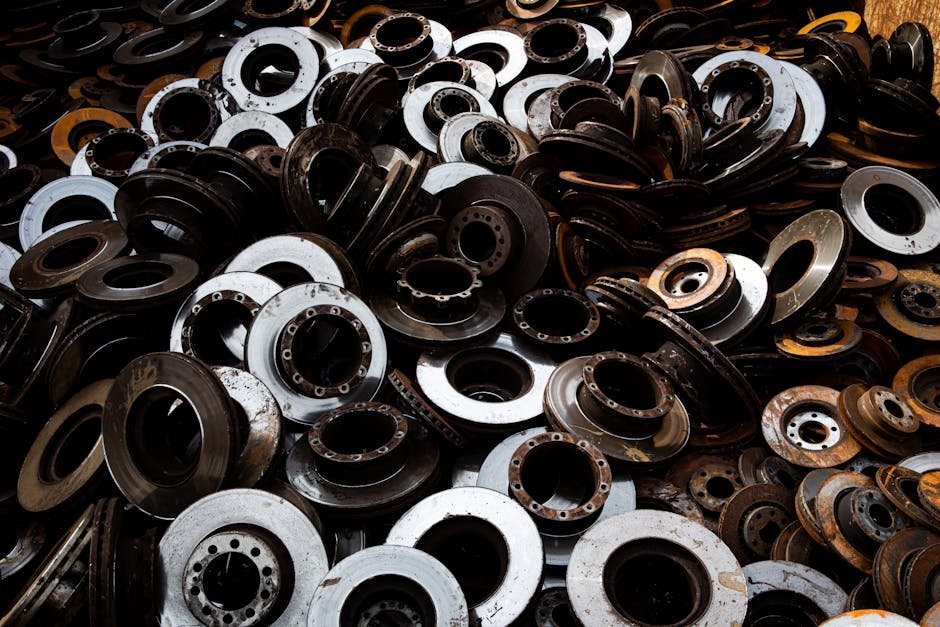

Finding a reliable non ferrous scrap buyer Campbelltown is the first step toward turning your industrial waste or domestic metal collection into a profitable asset. Non-ferrous metals—such as copper, aluminium, lead, zinc, and brass—are highly valued in the global commodities market due to their infinite recyclability and resistance to corrosion. Unlike ferrous metals, which contain iron and are magnetic, non-ferrous metals retain their chemical properties through multiple recycling cycles, making them essential for sustainable manufacturing. Whether you are a trade contractor, a demolition expert, or a local business, understanding how to navigate the scrap market in the Macarthur region is crucial for maximizing your returns.
Understanding Non-Ferrous Metals and Market Value
To succeed as a trader, you must first understand what you are handling. Non-ferrous metals are prized for their conductivity, light weight, and non-magnetic nature. When you approach a non ferrous scrap buyer Campbelltown, the value of your material is determined by its purity, the current London Metal Exchange (LME) rates, and the local demand within the Sydney metropolitan area. For a deeper dive into the technical classification of these materials, read our resource: Non Ferrous Scrap A Complete Guide For Traders And Recyclers. The grading process involves inspecting the scrap for contaminants like plastic insulation, oil, or attachments to other metals. Clean, sorted scrap always commands a higher price than mixed, dirty loads.
As you expand your operations, you may find that your needs shift based on geography. We often see traders looking for a non ferrous scrap buyer minto or a non ferrous scrap buyer ingleburn to optimize logistics and transport costs. Minimizing the distance between your collection point and the processing facility is the most effective way to protect your profit margins. If you are dealing with larger volumes of heavier material, you might also require a Heavy Steel Scrap Buyer Sydney Melbourne Brisbane Perth to handle mixed-metal loads that include structural steel or heavy machinery components.
The Process: From Collection to Global Commodity
Recycling is not just about dumping metal in a bin; it is a sophisticated industrial process. When you sell to a professional dealer, the material undergoes a rigorous cycle: collection, sorting, processing, melting, and purification. First, the metal is weighed on certified scales—always ensure your buyer uses calibrated equipment. Next, the metal is processed into smaller, manageable pieces to increase surface area for the smelting process. This ensures that the impurities are removed efficiently.
For those operating on an international scale, understanding the movement of scrap is vital. Large-scale traders often look beyond local borders. If you are moving significant quantities of marine or industrial scrap, our Shipbreaking Scrap Sales Global Buyer Guide provides essential insights into global logistics and compliance. By partnering with a professional scrap metal recycling network, you ensure that your materials are handled according to Australian environmental standards, preventing hazardous substances from entering the landfill.
Why Choose Local: The Benefits of Campbelltown Scrap Yards
Campbelltown serves as a strategic hub for the industrial supply chain in South Western Sydney. Choosing a local non ferrous scrap buyer Campbelltown reduces your carbon footprint significantly. When you purchase scrap or sell it, logistics play a major role in the final net profit. Local yards are often more agile, offering faster turnaround times and personalized service that large, multinational scrap corporations might lack. Furthermore, local buyers are deeply integrated into the regional economy, often providing competitive pricing that reflects the specific industrial needs of the Macarthur and Western Sydney corridors.
When searching for where to find the best rates, look for facilities that offer transparent pricing structures. A trusted dealer will provide a clear breakdown of the weight and the grade of the metal. Always ask if they offer bin services or collection for large industrial quantities. Efficient collection services allow you to clear your site quickly, maintaining workplace safety and compliance with local council regulations regarding waste management.
Categorizing Scrap Grades for Maximum Profit
To maximize your revenue, you must understand how to segregate your materials. Dealers categorize non-ferrous scrap into specific grades. For instance, ‘Bright Shiny Copper’ is the highest grade and commands the best price because it is free of oxidation and insulation. ‘Number 2 Copper’ may contain minor contaminants or paint. Aluminium is similarly graded; ‘Extrusion’ (6063) is more valuable than ‘Cast Aluminium’ or ‘Aluminium Cans’.
By sorting your material before arrival, you save the buyer time, and in return, you often receive a premium price. If you bring a mixed load of copper pipes, electrical wiring, and brass fittings, the buyer will have to spend labor hours sorting it, which will be reflected in a lower payout. Invest in basic sorting equipment like magnets (to check for iron contamination) and wire strippers to remove plastic insulation from copper cables. This simple preparation can increase your profit margin by 20% to 40% on every load.
Environmental Impact and Sustainability
The recycling industry is a cornerstone of the circular economy. Every tonne of aluminium recycled saves approximately 95% of the energy required to produce it from raw bauxite ore. By choosing a reputable buyer, you contribute to a system that reduces the need for destructive mining practices. Scrap metal recycling consumes significantly less water and produces fewer greenhouse gas emissions compared to primary metal production. As global regulations tighten around carbon emissions, the demand for recycled non-ferrous metals is expected to rise, making your role as a supplier even more critical to the global supply chain. For more information on the impact of these practices, visit our central portal at Scrap Trade for industry updates and market trends.
Operational Best Practices for Traders
If you are serious about the scrap trade, you must treat it like a business. This means keeping accurate records of your sales, understanding the seasonal fluctuations in metal prices, and maintaining strong relationships with your buyers. Market prices for copper and aluminium fluctuate daily based on global geopolitical events, supply chain disruptions, and manufacturing demand. A professional trader keeps an eye on these trends to time their sales for maximum profit.
Furthermore, safety is paramount. When handling scrap, always wear appropriate PPE, including gloves, high-visibility clothing, and steel-capped boots. Sharp edges on sheet metal and heavy copper coils can cause serious injury. Ensure that your transport vehicle is rated for the weight you are carrying; overloading your trailer not only risks your safety but can lead to heavy fines on Australian roads. By maintaining a clean, organized, and safe operation, you build a reputation that makes you a preferred partner for any trusted dealer in the Campbelltown area.
Future Outlook: The Circular Economy in Australia
The Australian government is increasingly focused on domestic resource recovery. The shift away from exporting raw waste and toward local processing means that the infrastructure for non-ferrous recycling in regions like Campbelltown is poised for growth. This is an excellent time to establish yourself in the market. As technology improves, the ability to separate complex alloys (like those found in e-waste or automotive parts) will become more refined, opening up new revenue streams for those who have the knowledge to identify and collect these materials. Stay ahead of the curve by continuously educating yourself on metal grades and the evolving needs of the manufacturing sector.
Conclusion
Navigating the scrap metal industry requires a blend of market knowledge, logistical efficiency, and a commitment to quality. Whether you are a professional contractor or a hobbyist, finding the right non ferrous scrap buyer Campbelltown is the key to unlocking the true value of your metal waste. By focusing on proper sorting, building relationships with reputable buyers, and staying informed about global market trends, you can turn a waste management challenge into a consistent income stream. Remember, the value of your scrap is in your hands—literally. Take the time to clean, sort, and research, and you will see the difference in your bottom line. For ongoing support and to connect with the best in the industry, continue utilizing our resources to refine your trading strategy and grow your recycling business.
Frequently Asked Questions
How do I know if my metal is non-ferrous?
The easiest way to tell is by using a magnet. If the magnet sticks to the metal, it is ferrous (contains iron); if the magnet does not stick, it is likely non-ferrous, such as copper, aluminium, or brass.
Does the condition of the scrap affect the price?
Yes, cleanliness is the most important factor. Removing plastic insulation, rubber, dirt, and other contaminants will significantly increase the price you receive per kilogram.
How often do scrap metal prices change?
Scrap metal prices fluctuate daily based on global market conditions and the London Metal Exchange. It is recommended to check current rates with your buyer on the day you plan to sell.
Do I need a license to sell scrap metal in Campbelltown?
While individual sellers generally do not need a license, professional scrap metal businesses must comply with local and state regulations. Always bring valid photo identification when selling to a scrap yard, as most trusted dealers require it for compliance.