
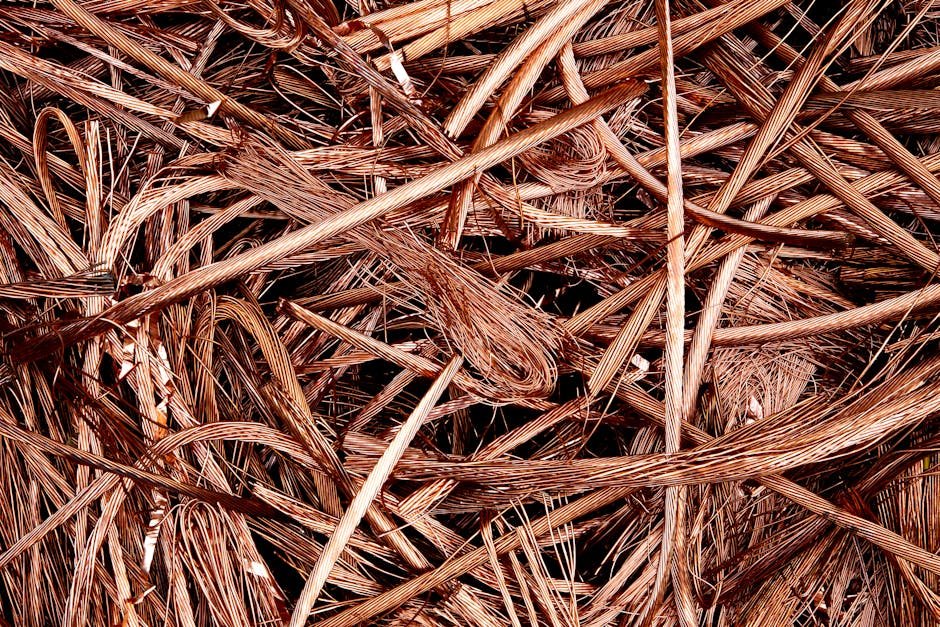

When you are searching for the best way to manage copper scrap Birrong, understanding the nuances of the metal recycling industry is essential to ensuring you receive fair market value. As a primary hub for industrial and residential metal recovery in Sydney, Birrong offers numerous opportunities for contractors, electricians, and homeowners to turn their waste into profit while contributing to a circular economy. Whether you are dealing with large volumes of industrial Scrap Copper or smaller quantities of household wiring, professional recycling is the most sustainable path forward.
Understanding Copper Grades and Market Value
The value of your metal is determined primarily by its purity and the level of processing required to refine it. In the world of scrap metal, not all copper is created equal. The most sought-after grade is ‘Bare Bright,’ which consists of clean, unalloyed, and uncoated copper wire that is at least 16 gauge in thickness. This material is highly prized because it requires minimal processing before it can be melted down and repurposed. To get the best copper scrap Birrong rates, you must ensure your material is free from insulation, paint, or oxidation.
Moving down the scale, we find ‘Number 2 Copper.’ This category includes copper that has been slightly contaminated—perhaps by solder, light oxidation, or remnants of insulation. While it commands a lower price than bare bright, it remains a vital commodity in the recycling chain. Understanding these grades is the first step in maximizing your Scrap Copper Prices Near Me. If you have a diverse collection of metals, it is often beneficial to consult a Copper Scrap Group to learn how to sort your materials effectively to avoid downgrading your entire batch.
For those located in the local area, utilizing scrap copper recycling birrong services ensures that you are dealing with professionals who understand the specific requirements of the Sydney market. Copper pipe, for instance, is often categorized as ‘Number 1’ or ‘Number 2’ depending on whether it contains brass fittings or heavy oxidation. Removing these attachments before bringing your scrap to a yard can significantly increase the weight-to-value ratio of your load.
The Copper Recycling Process: From Waste to Resource
The journey of copper from a construction site in Birrong to a new product is a marvel of modern industrial efficiency. Once the material is collected, it undergoes a rigorous sorting process. Advanced facilities use magnetic separators to remove ferrous contaminants and eddy current separators to isolate non-ferrous metals. For insulated copper wire, specialized granulators are used to strip the plastic sheathing, separating the high-value metal from the polymer coating.
Once sorted, the copper is compressed into dense bales. These bales are then transported to smelting facilities where the metal is melted in high-temperature furnaces. The molten copper is refined to remove any remaining impurities, such as trace elements of zinc or lead, resulting in a high-purity product that meets international manufacturing standards. This recycled copper is then cast into ingots, rods, or billets, ready to be used in the production of new electrical wiring, plumbing components, and automotive parts.
By participating in this cycle, you are not just clearing your workspace; you are actively supporting a process that is significantly less energy-intensive than primary mining. Primary copper production involves open-pit mining, crushing, and extensive chemical leaching, which leaves a massive environmental footprint. Recycling, by contrast, uses up to 85% less energy. Whether you choose to drop off your materials or utilize a birrong scrap copper pick up service, your contribution helps preserve natural resources and reduces the need for new mine development.
Environmental Benefits of Copper Recycling
Copper is a unique material because it can be recycled infinitely without losing its chemical or physical properties. This makes it a cornerstone of the global transition to a sustainable, circular economy. When we discuss copper scrap Birrong, we are talking about keeping tons of valuable metal out of landfills, where it would otherwise sit as waste rather than serving as a resource for future generations.
The environmental impact of recycling is profound. Beyond the massive energy savings, recycling copper reduces the volume of toxic tailings generated by mining operations. Mining also contributes to habitat destruction and water pollution through acid mine drainage. By choosing to recycle, you are effectively reducing the demand for new copper ore, which in turn lowers the pressure on ecosystems across the globe. Furthermore, the economic benefits of local recycling facilities, such as those found on Scraptrade.com.au, ensure that the value of these materials remains within the local economy, supporting jobs and infrastructure in the Sydney region.
It is also important to consider the carbon footprint of logistics. By recycling locally in the Birrong area, you minimize the transport emissions associated with moving heavy metal waste. Efficient local collection networks are the backbone of a green supply chain, allowing for the rapid transformation of scrap into high-value raw material. As the global demand for copper grows—driven by the rise of electric vehicles and renewable energy infrastructure—the importance of every kilogram of recycled copper cannot be overstated.
Maximizing Your Returns: Practical Tips for Scrap Sellers
To ensure you are getting the best market rates, preparation is key. The first rule of scrap metal trading is cleanliness. If you have copper wire, removing the insulation can drastically change the grade from a lower-value ‘insulated’ category to a higher-value ‘bare bright’ or ‘number 1’ category. While stripping wire can be labor-intensive, the price difference per kilogram often justifies the effort. Always use a dedicated wire stripping tool to ensure safety and efficiency.
Secondly, keep your metals separated. Mixing copper with brass, aluminum, or steel will lead to a ‘mixed’ grade, which is almost always priced at the lowest common denominator. Create separate bins for your copper pipe, your bright wire, and your number 2 copper. If you are a contractor, keeping these materials separate on the job site will save you hours of sorting time later. You can find more detailed advice on how to optimize your loads by visiting the official Scrap Trade platform, which provides up-to-date insights on current market trends and best practices for sellers.
Finally, stay informed about the market. The copper price per kg fluctuates daily based on global commodity exchanges like the London Metal Exchange (LME). While you cannot control the market, you can control when you sell. If you have a large stockpile, it may be worth monitoring the price trends and waiting for a peak before liquidating your collection. Building a relationship with a trusted local buyer in the Birrong area will also give you access to better service and potentially better pricing for consistent, high-quality loads.
Safety and Compliance in Metal Recycling
Safety should always be the priority when handling scrap metal. Copper is heavy, and sharp edges on cut pipes or stripped wire can cause serious injury. Always wear thick, puncture-resistant gloves and appropriate footwear when moving scrap. If you are stripping wire, be aware of the potential for repetitive strain injuries and ensure your workspace is well-lit and organized.
Compliance is equally important. Reputable scrap metal recyclers are strictly regulated to prevent the trade of stolen goods. Expect to provide identification and documentation when selling large quantities of scrap. This is a standard industry practice designed to protect the integrity of the recycling market. By working with licensed and professional recyclers, you ensure that your business is conducted ethically and that you are contributing to a transparent and legal industry.
Furthermore, consider the environmental safety of your storage practices. If you are storing scrap outdoors, ensure that any residual oils or contaminants are not washing into the stormwater system. Keeping your scrap under cover not only prevents environmental contamination but also keeps your metal clean and free from unnecessary oxidation, which helps maintain its value at the time of sale.
The Future of Copper and the Circular Economy
As we look toward the future, the role of copper in our society is set to expand. From the wiring in smart homes to the massive coils needed for offshore wind turbines, the demand for this versatile metal is higher than ever. The transition to a green economy is fundamentally a transition to an electrified economy, and copper is the primary conductor for that electricity. This creates a long-term, stable demand for copper, making it one of the most reliable commodities in the recycling sector.
The circular economy model, where materials are recovered and reused rather than discarded, is becoming the gold standard for global manufacturing. By participating in the recycling of copper scrap Birrong, you are a vital link in this chain. You are not just disposing of waste; you are providing the raw materials that will power the next generation of technology. This is a responsibility that carries both economic and environmental weight, and it is one that the local community in Birrong is well-positioned to lead.
As technology advances, we can expect to see even more efficient ways to recover and process copper. From robotic sorting to more advanced chemical refining, the industry is evolving to become faster, cleaner, and more efficient. By staying engaged with the industry, keeping your materials clean, and working with professional recyclers, you ensure that you remain a competitive and responsible participant in the global copper market.
Frequently Asked Questions
What is the difference between bare bright and number 2 copper?
Bare bright copper is clean, unalloyed wire that is free from insulation, paint, or oxidation. Number 2 copper is slightly contaminated, such as wire with light insulation, solder, or surface oxidation.
How can I get the best price for my copper scrap?
You can maximize your returns by sorting your copper by grade, removing all insulation and non-copper attachments, and monitoring the global copper price per kg to sell when the market is high.
Is it worth stripping the insulation off copper wire?
Yes, stripping insulation often upgrades your material from a lower-value category to bare bright or number 1 copper, which significantly increases the price you receive per kilogram.
Why is it important to recycle copper locally in Birrong?
Recycling locally reduces the carbon footprint associated with transport and ensures that the economic benefits of the circular economy remain within the local community.