
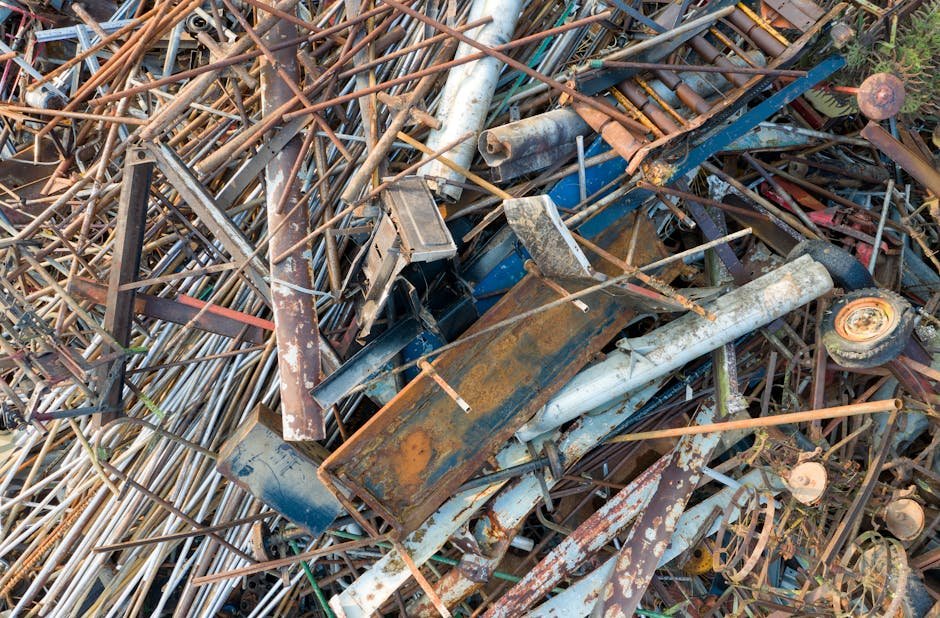

Navigating the landscape of scrap metal western suburbs recycling requires a deep understanding of how global commodities markets intersect with local industrial operations. As the western industrial corridor continues to expand, the volume of recyclable metal generated by construction, demolition, and manufacturing sectors is at an all-time high. Whether you are a trade professional, a demolition contractor, or a household resident clearing out a garage, understanding the nuances of metal grades and the recycling process is essential for environmental stewardship and financial gain. To get started, you can explore professional resources at our scrap metal trading platform to ensure you are getting the best value for your materials.
Understanding Metal Grades: Ferrous vs. Non-Ferrous
The foundation of the scrap industry lies in the distinction between ferrous and non-ferrous metals. Ferrous metals, which contain iron, are magnetic and generally have a higher tolerance for rust, though they are prone to oxidation. Common examples include mild steel, carbon steel, and cast iron. In the context of scrap metal western suburbs operations, ferrous scrap is often collected in large volumes from construction sites and structural steel dismantling projects. Because these materials are abundant, they are typically traded in bulk, and their value is often tied to the global demand for new steel production.
Non-ferrous metals, conversely, do not contain iron and are prized for their resistance to corrosion and high conductivity. This category includes copper, aluminium, brass, lead, and stainless steel. Non-ferrous metals are significantly more valuable per kilogram than their ferrous counterparts. For instance, high-grade copper wiring or clean aluminium extrusions can command premium prices. If you are looking to liquidate these assets, it is vital to keep them clean—free of plastic insulation, steel screws, or other contaminants—as impurities can drastically reduce the grade and, consequently, your payout. For those ready to turn their materials into profit, you should Sell Scrap Metal Near Me In 2026 to lock in current market rates.
The Scrap Metal Recycling Process: From Collection to Commodity
The journey of a piece of scrap metal from a western suburbs job site to a new product is a sophisticated industrial process. Once the metal is collected, it undergoes a rigorous sorting phase. Advanced facilities use X-ray fluorescence (XRF) analyzers and magnetic separation to identify the exact chemical composition of the scrap. This ensures that alloys are not mixed, which would otherwise ruin the integrity of the final recycled product.
After sorting, the metal is processed through shredders or shearers. Shredding breaks down large, bulky items like car bodies or whitegoods into smaller, manageable pieces. These pieces are then passed through a series of magnets and air currents to separate the metal from non-metallic waste like rubber, plastic, and glass. The purified metal is then baled or compacted, ready to be shipped to smelters where it is melted down and cast into ingots or billets. This circular economy is what makes Scrap Metal Recycling Near Me a cornerstone of sustainable industrial development. By opting for recycling, we reduce the need for virgin ore extraction, which is an energy-intensive and environmentally destructive process.
Environmental Benefits of Local Recycling
The environmental impact of recycling cannot be overstated. When we recycle aluminium, for example, we save approximately 95% of the energy required to produce the same amount of metal from raw bauxite ore. This reduction in energy consumption directly correlates to a massive decrease in carbon emissions. Furthermore, the scrap metal western suburbs sector plays a critical role in diverting waste from local landfills. Metals that end up in landfills can leach heavy metals into the soil and groundwater, posing long-term ecological risks.
By choosing a reputable recycler, you contribute to a cleaner, greener future for the western region. Modern recycling facilities are heavily regulated and employ sophisticated filtration systems to capture dust, fumes, and runoff, ensuring that the recycling process itself does not harm the local environment. If you want to track how these environmental efforts influence current market values, you can research updated Scrap Metal Prices to see how supply and demand cycles fluctuate.
Strategic Advantages of Western Sydney Scrap Metal Services
The western suburbs of Sydney represent a massive hub for industrial activity, making it a prime location for high-volume scrap collection. Businesses operating in this area benefit from proximity to major transport arteries, allowing for efficient logistics and rapid turnaround times for scrap removal. Whether you are managing a large-scale demolition project or a small workshop, utilizing local services ensures lower transport costs and faster service delivery.
Professional recyclers in this region are equipped to handle diverse needs, from providing skip bins for ongoing projects to offering specialized dismantling services for heavy machinery. For those specifically searching for western sydney scrap metal solutions, it is important to partner with a provider that offers transparent weighing and grading. Transparency is the hallmark of a professional trader. When you choose to work with established networks for scrap metal western sydney, you gain access to market insights that help you time your sales to maximize profit. For comprehensive industry support, visit our professional scrap metal directory to find verified buyers.
How to Maximize Your Scrap Returns
To get the highest possible return on your scrap, preparation is key. First, segregate your metals. Mixing copper with steel or aluminium with brass will often result in the recycler paying you at the lowest common denominator price. Keep your non-ferrous metals in separate containers. Second, clean your scrap. Remove plastic, wood, and rubber attachments. A clean load of copper pipe is worth significantly more than a load of copper pipe covered in insulation and steel brackets.
Third, keep an eye on the market. Metal prices are commodities-based and change daily. By understanding the trends, you can decide whether to sell immediately or hold onto your scrap until a market peak. Finally, choose a recycler that uses certified, calibrated scales. You have the right to see your scrap being weighed, and a reputable yard will never object to this. Building a long-term relationship with a local yard can also lead to better pricing tiers for consistent suppliers.
Safety and Compliance in the Scrap Industry
Safety is the top priority in any scrap metal operation. Handling heavy, sharp, and potentially hazardous materials requires strict adherence to safety protocols. Workers should always wear appropriate Personal Protective Equipment (PPE), including cut-resistant gloves, steel-capped boots, and high-visibility clothing. Furthermore, there are strict environmental regulations regarding the disposal of hazardous materials like lead-acid batteries or fluids from vehicle parts.
Compliance with local council regulations and EPA standards is non-negotiable. Reputable recyclers in the western suburbs are fully licensed and follow rigorous documentation processes. This not only protects the environment but also provides you with the peace of mind that your scrap is being handled legally and ethically. Always ask your scrap metal provider about their compliance certificates if you are dealing with large volumes or industrial waste.
The Future of Metal Recycling: Technology and Innovation
The future of the scrap industry is increasingly digital and automated. We are seeing the rise of smart sorting technologies that use artificial intelligence to identify metal types with near-perfect accuracy. These advancements are making the recycling process faster and more efficient, ultimately leading to higher purity levels in recycled metals. As the world transitions toward a circular economy, the role of scrap metal western suburbs recyclers will become even more pivotal in the global supply chain.
We are also seeing a shift toward better tracking of materials, ensuring that recycled metals can be traced back to their source. This is particularly important for industries like automotive and aerospace, which require high-quality, certified recycled alloys. By staying informed about these technological shifts, you can better position your business or household to take advantage of new recycling opportunities as they emerge. The integration of blockchain and IoT in scrap management is just around the corner, promising even more transparency for sellers and buyers alike.
Conclusion: Taking Action Today
Recycling scrap metal is more than just a way to make extra money; it is a vital practice that supports the health of our planet and the efficiency of our economy. Whether you are a business owner in the western suburbs looking for a reliable partner for your waste management or an individual looking to clean up your property, the resources and services available today make it easier than ever to participate in the circular economy. By understanding metal grades, preparing your materials properly, and partnering with verified local experts, you contribute to a sustainable future while ensuring you receive fair value for your efforts. Start your journey today by connecting with the right local network, and remember that every kilogram of metal recycled is a step toward reducing our collective environmental footprint.
Frequently Asked Questions
What is the difference between ferrous and non-ferrous scrap?
Ferrous metals contain iron and are magnetic, such as steel and iron, while non-ferrous metals do not contain iron and include copper, aluminium, and brass. Non-ferrous metals are generally more valuable and resistant to corrosion.
How can I get the best price for my scrap metal?
To maximize your return, ensure your scrap is clean and sorted by metal type. Removing non-metallic attachments like plastic or rubber and monitoring current market prices will help you secure the best payout.
Why is it important to recycle scrap metal locally?
Recycling locally reduces transport-related carbon emissions and supports the regional economy. It also ensures that materials are processed in facilities that adhere to strict local environmental and safety regulations.
Is it safe to handle all types of scrap metal?
While most scrap is safe, some items like lead-acid batteries or sealed containers may contain hazardous materials. Always wear appropriate PPE and consult with your local recycler before attempting to process complex or potentially dangerous items.