
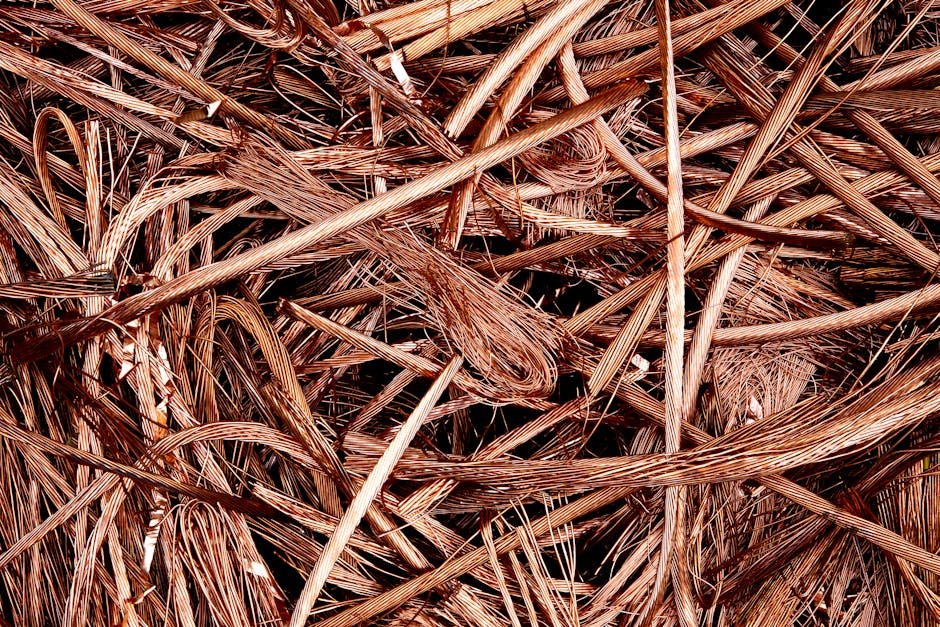

Navigating the world of industrial recycling requires finding a reliable copper scrap buyer who understands the nuances of the Australian market. Whether you are a tradesperson clearing out a job site or a demolition contractor managing large-scale waste, identifying a professional partner is the first step toward maximizing your profit. When you work with a professional copper scrap buyer, you aren’t just offloading waste; you are participating in a sophisticated circular economy that turns raw industrial byproducts back into valuable manufacturing resources.
Understanding Copper Grades and Market Value
The value of your material is dictated by its grade. In the scrap industry, purity is the primary driver of the Scrap Copper price per kg. If you are preparing your materials for sale, understanding the difference between grades is essential for getting the best return.
- Bare Bright Copper: This is the gold standard of scrap. It consists of clean, unalloyed, uncoated copper wire, usually 16 gauge or thicker, free of insulation, paint, or oxidation. Because it requires minimal processing, it commands the highest price.
- Number 1 Copper: This includes clean copper pipe or bus bars that are free of solder, paint, or other contaminants. It is slightly less valuable than bare bright but remains a high-tier product.
- Number 2 Copper: This grade includes copper that has been soldered, contains minor impurities, or has slight oxidation. It is the most common grade found in residential plumbing and electrical work.
- Insulated Copper Wire: This is copper wire that still retains its plastic or rubber coating. The value here is determined by the “recovery rate,” or the percentage of copper metal compared to the weight of the insulation.
If you are looking for current market insights, check Scrap Copper Prices Near Me to ensure you are being quoted fairly based on the London Metal Exchange (LME) daily fluctuations.
The Process: How to Prepare Your Scrap for Sale
Preparation is the difference between a standard payout and a premium return. A professional scrap metal trading platform will always advise you to segregate your materials before arriving at the yard. Mixing grades—for example, putting copper pipe in with insulated wire—will result in the entire batch being downgraded to the lowest common denominator price.
First, strip your wires if possible. While the time investment must be weighed against the potential profit, removing insulation from heavy-gauge wire can significantly boost your earnings. Second, clean your copper pipe. Removing solder joints or brass fittings will move your material from Number 2 to Number 1 grade. Finally, keep your copper separate from other metals like steel, aluminum, or lead. Contamination is the enemy of value in the recycling industry.
Where to Find Trusted Buyers Across Australia
Finding a trustworthy partner depends on your location and the volume of your scrap. For those in Western Australia, finding a reputable copper scrap buyer perth is critical for industrial clients who need timely collections and accurate weighing. Similarly, if you are located in the Sydney region, searching for a copper scrap birrong facility can save you time and logistics costs.
When vetting a buyer, look for the following: transparent scale systems, clear pricing structures, and adherence to environmental regulations. A professional facility should be able to provide you with a breakdown of exactly how your material was weighed and graded. You can also join the Copper Scrap Group to network with other professionals and stay updated on regional trends and buyer reputations.
The Environmental Impact of Copper Recycling
Copper is one of the few materials that can be recycled infinitely without losing its physical or chemical properties. By choosing to work with an ethical Australian scrap recycling network, you are contributing to a massive reduction in energy consumption. Mining and refining virgin copper ore is an energy-intensive process that requires significant chemical processing and produces large amounts of waste rock.
Recycling copper requires up to 85% less energy than producing it from raw ore. This reduction in energy use translates directly into lower greenhouse gas emissions. Furthermore, as global demand for copper rises—driven by the transition to electric vehicles, renewable energy infrastructure, and advanced electronics—the scrap industry serves as a crucial “urban mine” that supplies the raw materials needed for these technologies without the environmental degradation associated with traditional mining.
Logistics and Scale: Handling Large Volumes
For commercial contractors, the logistics of moving scrap are as important as the price per kg. If you are generating a high volume of copper pipe or wire, you need a buyer who offers bin services and scheduled pickups. Managing large quantities of scrap on a construction site can be a safety hazard; having a dedicated service to remove this material regularly improves site efficiency and keeps your workspace clean.
When negotiating with a buyer for recurring commercial pickups, ask about their “turnaround time” and their ability to provide certified weight tickets. These tickets are vital for your own accounting and environmental reporting. A professional buyer will treat your scrap as a commodity, providing consistent service that allows you to focus on your core business operations rather than waste management.
The Future of Metal Trading
The scrap industry is currently undergoing a digital transformation. Gone are the days of guessing the price of your metal or dealing with opaque, handwritten receipts. Today, professional platforms allow you to track market trends in real-time and connect with buyers who offer competitive, transparent pricing. By leveraging technology, you can ensure that you are always getting the best value for your copper wire, pipe, and other materials.
As we move toward a more sustainable future, the role of the scrap buyer will only become more vital. By keeping copper in the supply chain, we reduce our reliance on finite natural resources and support the growth of a circular economy. Whether you are a small-scale recycler or a large industrial firm, your choice of partner matters. Choose a buyer who values transparency, sustainability, and fair compensation for your materials.
Advanced Tips for Maximizing Your Returns
To truly master the art of scrap metal, you must think like a trader. Keep an eye on global economic news. When the Australian dollar is strong or when global manufacturing demand surges, copper prices often reflect these shifts. Timing your sales to coincide with market highs can result in significant additional profit over the course of a year.
Additionally, keep your material dry and protected from the elements. While copper does not rust like steel, excessive oxidation from rain and humidity can lead to a lower grade assessment by some buyers. Storing your scrap under a simple tarp or in a shed can keep your material looking “fresh” and ensure it meets the highest grading standards. Always maintain a relationship with your local yard manager; they are often the best source of information regarding upcoming price changes or specific material needs in your area.
Conclusion
The copper recycling industry is a cornerstone of the modern industrial landscape. By understanding the grades, preparing your materials correctly, and partnering with a reputable buyer, you turn what would otherwise be construction waste into a valuable revenue stream. Remember to stay informed through industry groups, utilize digital tools to track pricing, and prioritize buyers who operate with integrity and environmental responsibility. Your commitment to proper recycling not only benefits your bottom line but also supports a more sustainable and efficient global economy.
Frequently Asked Questions
What is the difference between Number 1 and Number 2 copper?
Number 1 copper consists of clean, unalloyed material like shiny pipe or bus bars, while Number 2 copper includes material that has been soldered, painted, or contains minor impurities.
How can I get the best price for my copper scrap?
To get the best price, ensure your copper is clean, free of insulation, and sorted by grade. Keeping your material dry and selling when market prices are high will also maximize your returns.
Does copper lose its quality when it is recycled?
No, copper is infinitely recyclable. It maintains its physical and chemical properties perfectly, meaning recycled copper is just as valuable and functional as newly mined copper.
Why should I use a professional scrap buyer instead of a general waste service?
A professional scrap buyer has the equipment to accurately grade and weigh your metal, ensuring you are paid the true market value. General waste services often charge to remove material that could have earned you a significant profit.