
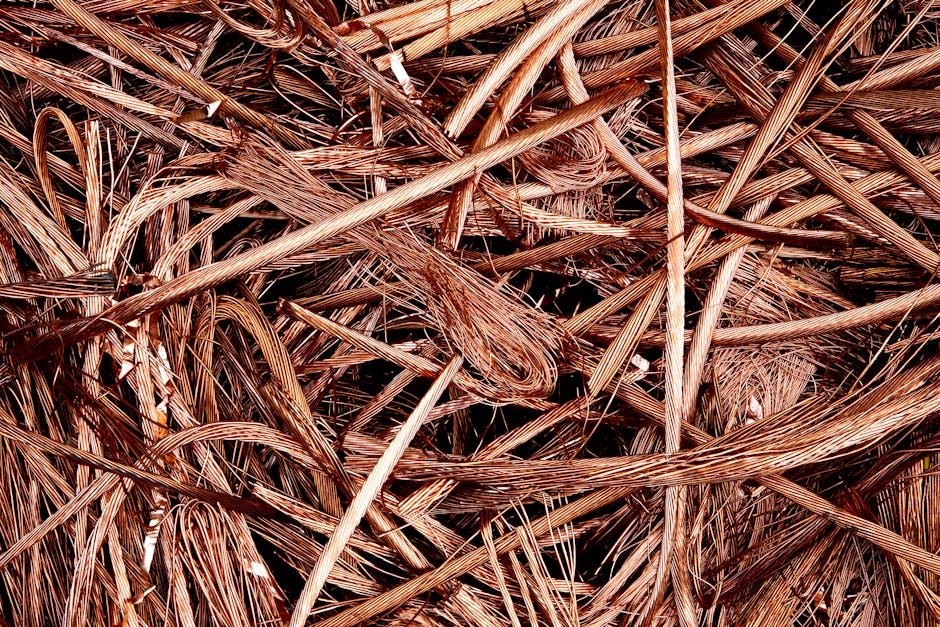

Understanding the current scrap copper price is essential for contractors, electricians, and industrial businesses looking to maximize the return on their metal waste. In the Australian market, copper remains one of the most valuable commodities in the circular economy, driven by its endless recyclability and high demand in the construction, automotive, and renewable energy sectors. Whether you are clearing out a job site or managing ongoing industrial waste, knowing how to categorize your materials and time your sales can significantly impact your bottom line.
The Global Mechanics of Scrap Copper Pricing
The scrap copper price is not an arbitrary figure set by local scrap yards; it is a derivative of the global commodities market. The primary benchmark for all copper trading is the London Metal Exchange (LME). When you look at metal prices today, you are seeing a reflection of global supply and demand dynamics, currency fluctuations—specifically the AUD/USD exchange rate—and geopolitical stability. Because copper is a global commodity, it is priced in USD. Consequently, when the Australian dollar is weak against the greenback, local prices often see an uptick, providing a unique opportunity for sellers.
Local scrap yards adjust their buy prices based on the LME spot price, but they must also factor in operational costs, logistics, and refining overheads. This is why you will notice variations in pricing between different regions. For instance, those searching for scrap copper price melbourne might find slight differences compared to prices in remote mining towns due to transport and processing costs. To get the best value, it is vital to stay updated on market trends and identify a reliable partner like Scrap.Trade, which provides transparent market data.
Categorizing Your Metal: Grades of Scrap Copper
To get the highest payout, you must understand how to sort your materials. Copper is graded based on purity, insulation, and oxidation levels. The higher the purity, the higher the scrap copper price you will receive. Here is how professional recyclers classify these materials:
- Bare Bright Copper: This is the gold standard. It consists of unalloyed, uncoated, and unoxidized copper wire, usually stripped of insulation. It must be at least 16 gauge in thickness to qualify as the highest grade.
- Number 1 Copper: This includes clean copper pipe and tubing that is free of fittings, solder, or paint. It should be free of any oxidation or green corrosion.
- Number 2 Copper: This grade includes copper that has some impurities, such as solder, paint, or minor oxidation. It is usually composed of wire or pipe that has been used in plumbing or electrical applications and is not as pure as Number 1.
- Insulated Copper Wire: This is graded based on the recovery rate of the copper inside the plastic or rubber coating. High-yield cables, such as THHN or heavy-duty power lines, fetch better prices than thin, low-yield data cables.
Proper sorting is the most effective way to increase your profit. Mixing grades often results in the entire batch being valued at the lowest common denominator, so taking the time to separate your Scrap Copper is a financial imperative.
Factors Influencing Market Volatility
Several macroeconomic factors influence the volatility of copper. First, industrial production in major economies like China and the United States acts as a primary driver. When construction booms, the demand for copper pipe and electrical cabling spikes, driving up prices. Conversely, economic slowdowns can lead to a dip in demand.
Second, the shift toward renewable energy is a massive long-term tailwind for copper. Electric vehicles (EVs) require significantly more copper than internal combustion engines, and renewable energy grids require extensive copper wiring. As we look toward the future, the demand for metals is evolving; for example, many are tracking the Aluminum Scrap Price In 2026 to see how it correlates with the broader base metal market. Third, supply chain disruptions, such as strikes at major copper mines in Chile or Peru, can cause sudden price spikes due to anticipated shortages.
How to Find the Best Rates Locally
If you are searching for Scrap Copper Prices Near Me, you are likely looking for a yard that offers competitive rates and professional service. Not all scrap yards are created equal. When selecting a partner, consider the following:
- Transparency: Does the yard clearly display their current rates, or do they fluctuate based on who is asking?
- Weight Accuracy: Ensure the yard uses certified, calibrated scales.
- Payment Terms: Reputable companies like Scrap Trade Australia offer prompt payment and clear documentation, which is vital for business accounting.
- Logistics: If you have large quantities, look for a yard that offers bin services or collection, as this saves on your transport costs.
Always check the copper scrap price on the day you plan to visit, as market volatility means that prices can shift within a 24-hour window.
The Environmental Imperative of Recycling
Copper recycling is a cornerstone of environmental sustainability. Unlike many other materials, copper can be recycled infinitely without losing its chemical or physical properties. Mining virgin copper is an energy-intensive process that involves massive land disruption, water usage, and carbon emissions. By choosing to recycle, you are effectively reducing the need for new mining operations.
Recycling copper uses approximately 85% less energy than producing it from raw ore. This massive energy saving significantly reduces the carbon footprint of the manufacturing sector. Furthermore, scrap copper is a vital resource for the circular economy. When you drop off your copper, it is shredded, melted, and refined into high-purity ingots that are then sold back to manufacturers to create new products. This creates a closed-loop system that preserves natural resources for future generations.
The Future of the Scrap Metal Industry
The industry is currently undergoing a digital transformation. Gone are the days of guessing the value of your scrap. Today, mobile-first platforms and real-time data tracking allow users to make informed decisions. We are seeing a shift toward more sophisticated sorting technology, such as X-ray fluorescence (XRF) analyzers, which allow recyclers to determine the exact alloy composition of metal in seconds. This technology ensures that high-grade materials are correctly identified, leading to fairer pricing for the seller.
Moreover, the integration of blockchain and supply chain transparency is becoming increasingly important. Manufacturers want to know that the copper they are buying is ethically sourced and recycled. By participating in the formal scrap economy, you are contributing to a transparent supply chain that rewards sustainability and ethical labor practices. As we move toward 2030, the demand for secondary raw materials will only continue to grow, making your scrap pile a valuable asset in the global transition to a green economy.
Practical Tips for Maximizing Your Returns
To ensure you walk away with the best possible payout, follow these expert tips:
- Keep it Clean: Remove as much “contamination” as possible. This includes tape, plastic, steel screws, or excessive solder. The cleaner your load, the higher the grade.
- Sort by Grade: Never mix your bare bright wire with your number 2 copper. If the yard has to sort it for you, they will pay you for the lower grade.
- Store Properly: Keep your copper in a dry, covered area. Oxidation (the green tarnish) can downgrade your copper from #1 to #2, costing you money.
- Build a Relationship: If you are a regular supplier, talk to the yard manager. High-volume, consistent suppliers often negotiate better rates than one-off sellers.
- Monitor the Market: Keep an eye on the LME and local news. If prices are on an upward trend, it might be worth holding onto your scrap for a few more days to capitalize on the peak.
By treating your scrap metal as a serious business asset rather than just “trash,” you can turn a significant profit while supporting the environment. The scrap metal industry is complex, but with the right knowledge and a reliable partner, you can navigate it with confidence. Always prioritize safety when handling scrap, wear appropriate protective gear, and ensure that you are transporting your materials securely. The value of copper is a testament to its utility in our modern world—ensure you get your fair share of that value.
Conclusion
The scrap copper market is a dynamic and vital part of the Australian economy. From the global LME benchmarks to the local yard down the street, the scrap copper price is influenced by a complex web of industrial demand, energy transitions, and logistical factors. By understanding the different grades of copper, properly preparing your materials, and staying informed on market trends, you can ensure that you receive the maximum return for your efforts. Recycling is not just a way to make money; it is a fundamental act of resource conservation that supports a sustainable future. Whether you are a professional contractor or a hobbyist, the information provided here serves as your roadmap to navigating the scrap metal landscape effectively. Remember, the market rewards those who are prepared and informed. Keep your copper clean, stay updated on current prices, and work with reputable recyclers to turn your scrap into a consistent revenue stream.
Frequently Asked Questions
What is the difference between Bare Bright and Number 2 copper?
Bare Bright copper is clean, unalloyed, and uncoated wire that is free of oxidation, representing the highest purity grade. Number 2 copper includes wire or pipe that contains small amounts of solder, paint, or light oxidation, making it less pure and therefore lower in value.
How often do scrap copper prices change?
Scrap copper prices are tied to the London Metal Exchange (LME) and can fluctuate daily based on global market conditions and currency exchange rates. Most scrap yards update their buy prices every morning to reflect these changes.
Does the insulation on copper wire affect the price?
Yes, insulated copper wire is valued based on the ‘recovery rate,’ which is the estimated percentage of copper inside the cable. The more copper relative to the plastic coating, the higher the price you will receive.
Why is it important to sort scrap copper before selling?
Sorting your copper by grade ensures you receive the highest possible price for each category. If you mix high-grade and low-grade scrap, the yard will typically value the entire batch at the lower rate to account for the labor required to separate it.