
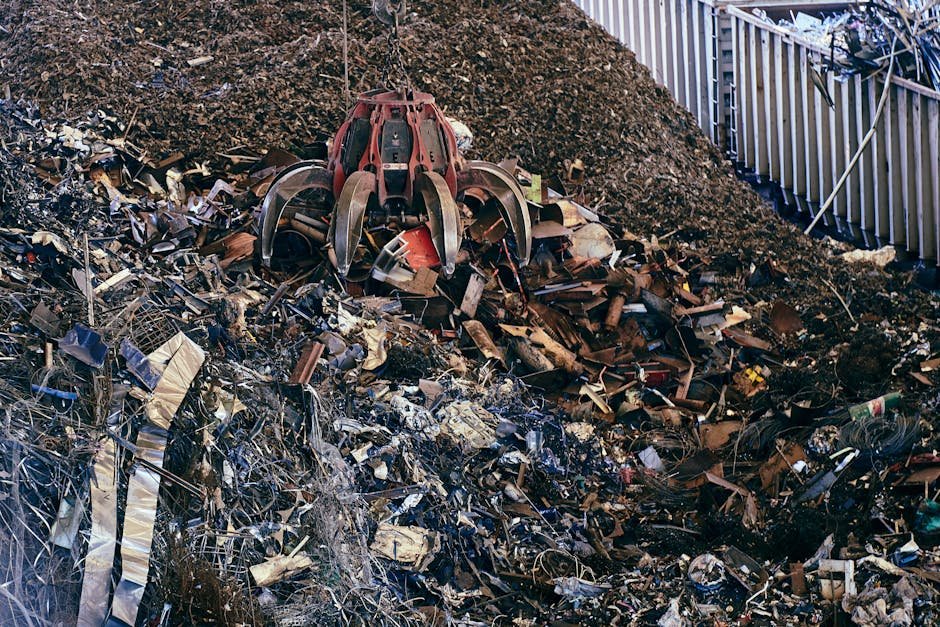

Navigating the landscape of all scrap metal moorebank requires an understanding of both local industrial logistics and global commodity markets. As one of Sydney’s most prominent industrial precincts, Moorebank serves as a central artery for the collection, sorting, and processing of vast quantities of raw materials. Whether you are a trade contractor, a demolition expert, or a homeowner clearing out a garage, understanding the nuances of scrap metal recycling is the first step toward turning waste into wealth. If you are looking to optimize your disposal strategy, it is essential to Sell Scrap Metal Near Me In 2026 to ensure you are utilizing the most modern, technology-driven trading platforms available.
Understanding the Grades of Scrap Metal
The value of your scrap is determined primarily by its grade and purity. In the industry, we distinguish between ferrous and non-ferrous metals. Ferrous metals, such as iron and steel, contain carbon and are magnetic. While they are abundant, they are generally less valuable per kilogram than their non-ferrous counterparts. Non-ferrous metals, which include copper, aluminium, brass, lead, and stainless steel, do not contain iron and are prized for their resistance to corrosion and their infinite recyclability.
When dealing with all scrap metal moorebank, you will frequently encounter high-value grades such as ‘Bright Shiny Copper’—the gold standard for electricians—and ‘Clean Aluminium,’ which is common in window frames and automotive parts. Understanding these grades is critical because contamination, such as plastic insulation on wires or steel bolts attached to aluminium, can significantly downgrade the value of your load. By learning to segregate your materials at the source, you ensure that you receive the best possible Scrap Metal Prices available in the current market.
The Mechanics of Professional Recycling
Recycling is not merely about dumping metal into a bin; it is a sophisticated industrial process. When you bring your materials to a facility specializing in scrap metal moorebank, the process begins with weighing and identification. Using advanced X-ray fluorescence (XRF) technology, experts can determine the exact alloy composition of a piece of metal in seconds, ensuring accurate grading.
Once identified, the metal undergoes mechanical processing. Large-scale shears and shredders break down bulky items like car bodies or structural steel into manageable chunks. Magnetic separators then pull the ferrous metals from the non-ferrous stream. Finally, the metals are baled or compacted for transport to refineries. This systematic approach is why so many professionals rely on the Scrap Metal Recycling Near Me services found within the broader scrap metal western suburbs network. By centralizing these operations in Moorebank, we reduce the carbon footprint associated with transporting heavy materials across the state.
The Environmental Imperative
The environmental case for recycling is undeniable. Mining virgin ore is an energy-intensive and ecologically destructive process that involves massive land clearing, chemical leaching, and high carbon emissions. Conversely, recycling aluminium saves approximately 95% of the energy required to produce the same amount of metal from bauxite ore. Every tonne of steel recycled saves over a tonne of iron ore and hundreds of kilograms of coal.
By participating in the circular economy through a professional metal trading platform, you are directly preventing hazardous materials from entering landfills. Lead-acid batteries, for example, contain toxic chemicals that can leach into the soil if not disposed of correctly. Our local facilities ensure that these materials are processed according to strict EPA guidelines, protecting the Moorebank ecosystem for future generations. When you choose to recycle, you are not just clearing space; you are participating in a global movement to preserve finite natural resources.
Maximizing Your Returns: Practical Tips
To maximize your profit, preparation is key. First, keep your metals separated. Mixing copper with steel is a common mistake that forces the facility to grade the entire load as the lower-value material. Second, clean your scrap. Remove excess plastic, wood, or rubber attachments. A clean load of copper pipe is worth significantly more than a load of copper pipe wrapped in PVC insulation.
Third, keep an eye on market trends. Metal prices fluctuate daily based on global demand, currency exchange rates, and industrial output. Utilizing a reputable scrap trading resource allows you to monitor these shifts and time your sales for when the market is peaking. Finally, build a relationship with your local yard. Consistent suppliers who bring in sorted, clean loads often receive preferential service and access to better pricing tiers. This professional approach turns scrap metal collection from a chore into a reliable revenue stream.
The Role of Moorebank in the Supply Chain
Moorebank acts as a strategic hub due to its proximity to major transport infrastructure, including the intermodal terminal and key arterial roads. This geographic advantage allows for the efficient movement of recycled materials to domestic manufacturers and international export markets. As the demand for sustainable raw materials grows, the infrastructure in Moorebank continues to evolve, incorporating automated sorting lines and digitized inventory tracking.
For businesses, this means that the logistics of clearing industrial waste are more streamlined than ever. Whether you are managing a large-scale demolition project or a small workshop, the ability to offload high volumes of metal quickly and efficiently is vital to maintaining project timelines. The synergy between local recycling facilities and the broader construction sector in the western suburbs ensures that metal waste is treated as a valuable asset rather than a liability.
Safety and Compliance in Scrap Handling
Safety is the cornerstone of any reputable scrap metal facility. Handling heavy, sharp, and potentially hazardous materials requires rigorous training and strict adherence to safety protocols. When visiting a site for all scrap metal moorebank, always follow the site signage, wear appropriate personal protective equipment (PPE) such as steel-capped boots and high-visibility clothing, and never attempt to handle items that appear to be pressurized or contain unknown chemicals.
Compliance is equally important. In Australia, scrap metal dealers are governed by regulations designed to prevent the trade of stolen goods. Expect to provide valid identification and vehicle details when selling scrap. This is not just a regulatory hurdle; it is a vital part of maintaining the integrity of the industry. By operating with transparency and following legal requirements, we ensure that the scrap metal industry remains a respected and vital component of the Australian economy.
Future Trends: Technology and Sustainability
The future of scrap metal recycling is digital and automated. We are seeing the rise of smart bins and AI-powered sorting robots that can identify grades with near-perfect accuracy. Furthermore, blockchain technology is being explored to track the lifecycle of metals from the initial scrap collection to the final product, ensuring complete transparency in the supply chain.
As Australia moves toward a net-zero future, the importance of recycling cannot be overstated. The transition to renewable energy requires vast amounts of copper for wiring and aluminium for solar frames and wind turbine components. Moorebank is positioned to remain at the forefront of this transition, providing the raw materials necessary to build the green infrastructure of tomorrow. By engaging with these services today, you are contributing to a sustainable and prosperous future.
Conclusion
The scrap metal industry is a complex, vital, and rewarding sector. Whether you are a professional tradesperson or a private seller, the principles of proper sorting, market awareness, and environmental responsibility remain the same. By leveraging the expertise and facilities available in Moorebank, you can ensure that your scrap metal is handled with the highest standards of efficiency and sustainability. Remember that every kilogram of metal you recycle supports the circular economy, reduces the need for destructive mining, and keeps our local environment clean. Stay informed, stay safe, and make the most of your scrap metal assets by engaging with trusted local professionals.
Frequently Asked Questions
What is the difference between ferrous and non-ferrous scrap?
Ferrous metals contain iron and are magnetic, such as steel and iron. Non-ferrous metals do not contain iron and include valuable materials like copper, aluminium, and brass, which are generally more resistant to corrosion.
How can I get the best price for my scrap metal?
To maximize returns, ensure your metal is cleaned of non-metal attachments like plastic or wood and keep different types of metals separated. Monitoring current market prices and selling in larger, sorted quantities will also help you secure better rates.
Why is it important to recycle scrap metal in Moorebank?
Recycling metal in Moorebank reduces the need for energy-intensive mining, conserves natural resources, and prevents hazardous materials from ending up in landfills. It is a critical component of the local circular economy.
Do I need identification to sell scrap metal?
Yes, Australian regulations require scrap metal dealers to verify the identity of sellers to prevent the trade of stolen property. Always bring a valid form of government-issued photo ID when visiting a recycling facility.