
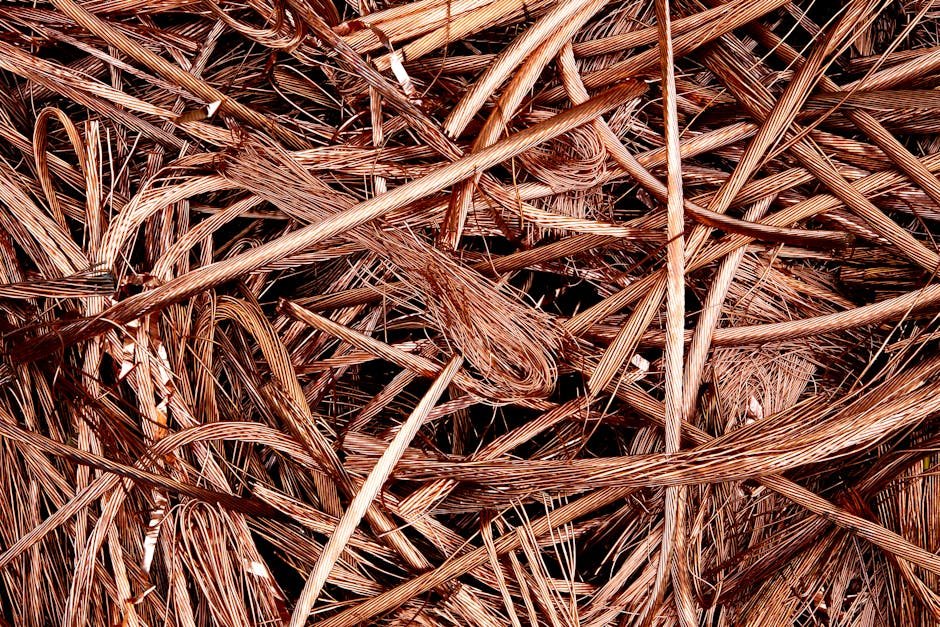

When searching for reliable waste copper recyclers Seven Hills, it is essential to understand the intricacies of the metal market to ensure you receive fair compensation for your materials. Copper is one of the most valuable non-ferrous metals in the recycling industry, and its infinite recyclability makes it a cornerstone of the circular economy. Whether you are an electrician, a demolition contractor, or a homeowner clearing out a shed, understanding how to sort your copper—from bare bright copper to number 2 copper—can significantly impact your bottom line.
The Importance of Professional Copper Recycling in Seven Hills
Seven Hills serves as a strategic hub for industrial activity in Western Sydney, making it a prime location for high-volume scrap metal recovery. Professional waste copper recyclers Seven Hills operate with the infrastructure required to process large quantities of scrap efficiently, ensuring that valuable resources are not diverted to landfills. Copper recycling is not merely about waste management; it is a critical industrial process that feeds the global supply chain.
When you bring your materials to a professional facility, you are participating in a sophisticated system. The process begins with the identification and grading of the metal. High-grade copper, such as bare bright copper, commands a higher copper price per kg because it is free of impurities like insulation, paint, or oxidation. Conversely, materials like copper pipe that have been soldered or contain fittings are classified differently. By working with a professional scrap copper recycling seven hills provider, you ensure that your materials are handled according to environmental standards and that you are paid based on accurate, current market valuations.
Furthermore, the scale of operations in Seven Hills allows for the aggregation of materials, which is then sold to international markets. If you are interested in the broader economic landscape of this industry, you can learn more about how E Waste Scrap Trading How To Connect With International Recyclers to understand the global flow of reclaimed metals. For those involved in the tech sector or handling complex scrap, the E Waste Group provides further insights into the recovery of precious metals often associated with copper-heavy components.
Understanding Copper Grades: Bare Bright vs. Number 2
To maximize your returns, you must be able to distinguish between the various grades of copper. The industry standard is largely dictated by the purity of the copper and the presence of contaminants. Bare bright copper is the gold standard; it consists of clean, unalloyed, uncoated, and uninsulated copper wire, typically 16 gauge or thicker. It must be free of any oxidation or protective coatings.
Number 2 copper, on the other hand, includes copper wire that has been burnt or is slightly oxidized, as well as copper pipe that contains solder, paint, or other minor contaminants. Because it requires more intensive processing to refine, it carries a lower value than bare bright. Understanding these distinctions is vital when dealing with any Copper Scrap Group, as it helps you prepare your load before arriving at the recycling centre.
Preparation is key. Stripping insulation from copper wire is the most effective way to increase its value. While it requires time and labor, the difference in the price per kg between insulated wire and bare bright copper is often substantial. If you are a business owner or a tradesperson, developing a system for sorting your scrap on-site can save you significant time at the weighing station. Always aim to keep your copper clean and free from steel or plastic contamination to ensure you receive the best possible rate.
Drop-off vs. Pick-up: Which Service is Right for You?
Choosing between a drop-off service and a scheduled pick-up depends on the volume of scrap you possess and your logistical capabilities. For smaller loads, such as a few bags of copper wire or a small collection of old pipes, visiting a professional scrap metal recycling facility is usually the most efficient route. A direct drop-off allows you to see the weighing process firsthand, providing transparency and immediate payment.
For large-scale industrial projects, construction sites, or demolition jobs, a professional scrap copper pick up seven hills service is often the preferred solution. These services typically involve the placement of specialized bins on-site, which are collected once full. This removes the logistical burden of transporting heavy, dense metals and ensures that the site remains clean and compliant with safety regulations. When evaluating pick-up services, consider the frequency of collection and whether the provider offers specialized equipment like magnets or heavy-duty bins to assist with your specific type of scrap.
Regardless of the method, always ensure that the facility you choose is fully licensed and adheres to Australian environmental regulations. Dealing with reputable recyclers not only protects the environment but also guarantees that your scrap is being traded through legitimate channels, which is becoming increasingly important for corporate social responsibility reporting.
The Environmental Impact of Copper Recycling
The environmental case for copper recycling is overwhelming. Copper is one of the few materials that can be recycled infinitely without any loss of quality. Mining virgin copper is an energy-intensive process that involves massive land disruption, water usage, and greenhouse gas emissions. In contrast, recycling copper uses up to 85% less energy than producing it from raw ore.
By utilizing waste copper recyclers Seven Hills, you are directly contributing to a reduction in the demand for mining. Every tonne of recycled copper saves approximately 3.5 tonnes of CO2 emissions. Furthermore, recycling prevents copper from entering landfills, where it can potentially leach into groundwater or soil, causing long-term environmental degradation. As we move toward a more sustainable future, the role of local recycling centres becomes ever more critical in closing the loop on material consumption.
The scrap metal industry is also a leader in the circular economy, where the ‘waste’ of one industry becomes the ‘raw material’ for another. By selling your scrap to an established scrap metal trading platform, you are supporting a supply chain that turns discarded items into new electrical wiring, plumbing, and renewable energy infrastructure. This cycle is essential for maintaining the sustainability of our modern built environment.
Maximizing Your Returns: Tips for Copper Sellers
If you want to get the most out of your scrap copper, preparation is everything. Start by segregating your metals. Never mix copper with brass, aluminum, or steel, as this will result in a lower ‘mixed metal’ price. If possible, remove all non-metal attachments from your copper pipe, such as plastic couplings or steel valves. These are considered contaminants and will reduce the grade of your copper.
Keep an eye on the market. The price of copper fluctuates daily based on global demand, currency exchange rates, and geopolitical stability. While you cannot control the market, you can choose when to sell. If you have a large volume of high-grade copper, it may be worth holding onto it if the market is currently in a dip, provided you have the secure space to store it. However, for most individuals, the convenience of regular recycling outweighs the minor gains of timing the market perfectly.
Finally, build a relationship with your local recycler. If you are a regular supplier of scrap, some facilities may offer better rates or more flexible pick-up schedules. Communication is key—ask your recycler what their current requirements are for ‘clean’ copper and if there are any specific preparation steps they prefer. Being a knowledgeable and organized seller will always lead to a better experience and higher returns.
The Future of Metal Recycling in Australia
The Australian scrap metal industry is undergoing a digital transformation. With the rise of online platforms like those provided by industry leaders, sellers now have more access to market data and transparent pricing than ever before. This transparency is forcing the industry to become more efficient and accountable. As we look ahead, we expect to see more automated sorting technologies and improved logistics for the collection of scrap from both urban and remote areas.
Government regulations regarding waste management are also tightening. This is a positive shift, as it ensures that only operators who meet high environmental and safety standards can continue to trade. For those looking to enter the industry or expand their recycling efforts, staying informed about these regulatory changes is essential. The focus on sustainability will only increase, and the scrap metal sector will remain a vital component of Australia’s environmental strategy.
Whether you are dealing with a small household project or a massive industrial demolition, the principles remain the same: sort your materials, choose a reputable recycler, and understand the value of the commodities you are handling. By engaging with the professional services available in Seven Hills, you are not just clearing out clutter—you are actively participating in a global movement toward a more sustainable and resource-efficient future.
Frequently Asked Questions
- Q: What is the difference between bare bright copper and number 2 copper?
A: Bare bright copper is clean, unalloyed, and uncoated wire, while number 2 copper includes wire that has been burnt, oxidized, or contains solder and other contaminants. - Q: How can I ensure I get the best copper price per kg?
A: You can maximize your returns by stripping insulation from wire, removing impurities like plastic or steel fittings, and sorting your copper by grade before taking it to the recycling centre. - Q: Is it better to drop off my scrap or request a pick-up?
A: Drop-offs are ideal for smaller, manageable loads where you want immediate service, while pick-up services are best for large-scale industrial or construction site scrap that requires specialized bins. - Q: Why is copper recycling so important for the environment?
A: Recycling copper uses up to 85% less energy than mining virgin ore and prevents valuable materials from ending up in landfills, significantly reducing carbon emissions and resource depletion.
Frequently Asked Questions
What is the difference between bare bright copper and number 2 copper?
Bare bright copper is clean, unalloyed, and uncoated wire, while number 2 copper includes wire that has been burnt, oxidized, or contains solder and other contaminants.
How can I ensure I get the best copper price per kg?
You can maximize your returns by stripping insulation from wire, removing impurities like plastic or steel fittings, and sorting your copper by grade before taking it to the recycling centre.
Is it better to drop off my scrap or request a pick-up?
Drop-offs are ideal for smaller, manageable loads where you want immediate service, while pick-up services are best for large-scale industrial or construction site scrap that requires specialized bins.
Why is copper recycling so important for the environment?
Recycling copper uses up to 85% less energy than mining virgin ore and prevents valuable materials from ending up in landfills, significantly reducing carbon emissions and resource depletion.