
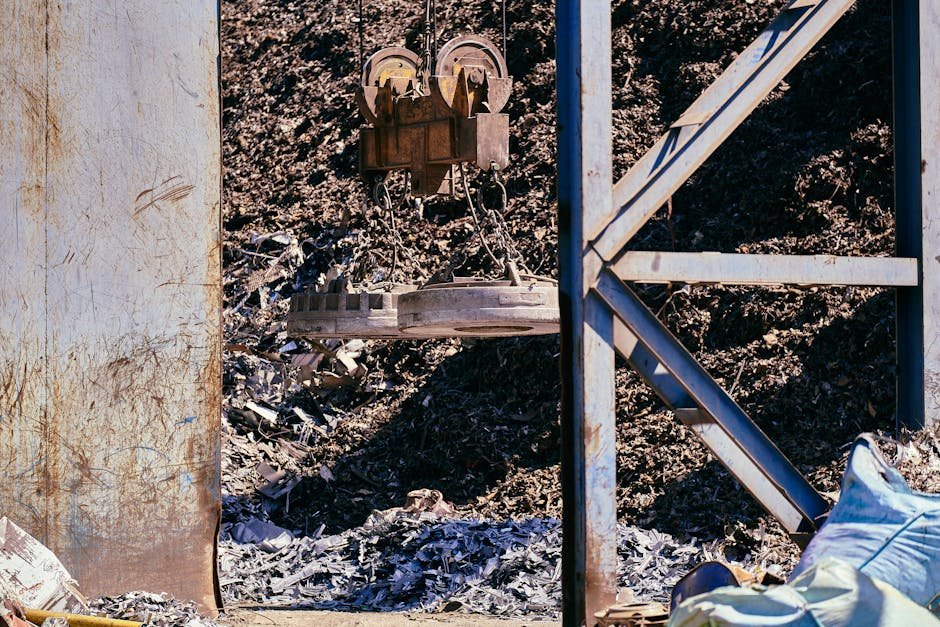

In the bustling industrial heart of Sydney’s Lower North Shore, managing metal waste has become a priority for businesses aiming to reduce their environmental footprint. If you are searching for stainless steel recycling Artarmon solutions, it is vital to partner with a facility that offers transparency, accurate grading, and competitive pricing. Whether you are a construction firm clearing a site or a manufacturing workshop dealing with offcuts, professional recycling services ensure that valuable alloys are diverted from landfills and returned to the production cycle.
Why Choose Local Recycling Services?
Opting for local services like artarmon stainless steel recycling allows you to streamline your logistics while supporting local sustainability goals. When you manage your waste locally, you reduce the carbon footprint associated with transport. Furthermore, understanding the current market is crucial. You can stay informed by checking the latest Stainless Steel Scrap Price to ensure you are receiving fair value for your high-grade materials.
Many businesses often overlook the complexity of metal grading. Stainless steel is not just one material; it comes in various grades, such as 304 and 316, which carry significantly different market values. To maximize your returns, we recommend reading our guide on Stainless Steel Recycling How To Sell Scrap For Maximum Profit. By properly sorting your scrap before arrival, you can avoid contamination and ensure your load is processed at the highest possible grade.
Maximizing Your Scrap Value
For those managing large volumes of industrial waste, efficiency is key. Utilizing an Stainless Steel Scrap Calculator Estimate Your Material Value can help you project your potential earnings before you even leave your site. When you engage in stainless steel recycling Artarmon, you are not just clearing space; you are actively participating in a global supply chain that values resource recovery.
Beyond just stainless steel, many facilities also provide comprehensive artarmon steel recycling services for carbon steel, iron, and other ferrous metals. By consolidating your scrap shipments, you can optimize your collection schedules and reduce operational downtime. For more information on industry best practices, feel free to visit Scrap Trade or explore the broader resources available at scraptrade.com.au for professional insights into the Australian metal market.
Best Practices for Scrap Preparation
- Sort by Grade: Separate 304 from 316 stainless to ensure you receive the correct payout.
- Remove Contaminants: Take the time to remove non-metallic attachments, rubber, or excessive plastic to increase your yield.
- Clean Your Metal: While minor surface rust is acceptable, heavy debris can lower the perceived value of your scrap.
- Safety First: Always wear appropriate PPE when handling sharp metal edges or heavy industrial scraps.
By following these steps, you ensure that the recycling process remains smooth, safe, and highly profitable for your business operations in Sydney.
Frequently Asked Questions
What grades of stainless steel are most valuable for recycling?
The most valuable grades are typically 316 and 304 stainless steel due to their high nickel and molybdenum content. These alloys are highly sought after by manufacturers for their corrosion resistance and durability.
How can I ensure I am getting the best price for my scrap?
To get the best price, always sort your metals by grade before arriving at the facility to prevent downgrading. Additionally, check real-time market price updates and work with a transparent recycler who provides clear weighing and grading processes.
Is there a minimum amount of metal required for pickup?
Most recycling facilities have specific requirements regarding minimum weights for commercial pickups. It is best to contact your local Artarmon service provider directly to discuss your volume and determine if a collection service is available.
Why is it important to remove contaminants from scrap metal?
Contaminants like plastic, wood, or non-metallic debris can lead to lower grading or rejection of your scrap load. Removing these items ensures a cleaner melt and guarantees that you receive the highest possible market rate for your metal.