
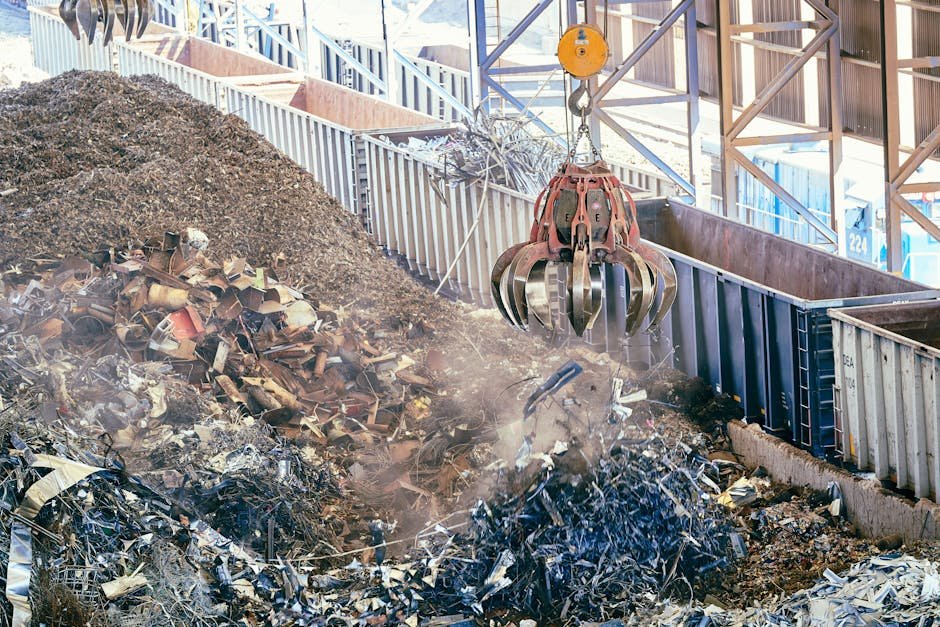

When searching for reliable waste steel recyclers Seven Hills, it is critical to partner with a facility that understands the complexities of the Australian metal market. Seven Hills, as a major industrial hub in Western Sydney, generates a significant volume of industrial by-products, ranging from heavy structural beams to light sheet metal offcuts. Proper recycling of these materials is not just a legal or environmental imperative; it is a smart financial decision for businesses and tradespeople alike. By choosing the right scrap metal trading platform, you ensure that your materials are handled according to the highest industry standards.
The Lifecycle of Scrap Steel: From Collection to Re-smelting
The recycling process for steel is one of the most efficient industrial loops in existence. Unlike many other materials that degrade in quality during recycling, steel is infinitely recyclable. When you bring your scrap to a recycling centre, the material undergoes a rigorous sorting process. First, the material is identified as either ferrous metal or non-ferrous. Steel, being magnetic, is easily separated using heavy-duty electromagnetic cranes. Once separated, the scrap steel is cleaned of contaminants like plastics, rubber, or wood.
After cleaning, the steel is shredded or sheared into smaller, manageable pieces to increase its density. This is crucial for transport logistics. These fragments are then sent to electric arc furnaces where they are melted down at extreme temperatures. This molten metal is then cast into new ingots, billets, or slabs, which eventually become the raw material for new mild steel products. If you are a manufacturer in the region, you might be interested in our guide on Steel Turnings Chips Buyers Machine Shop Waste to optimize your facility’s waste management.
Drop-Off vs. Pickup Service: Choosing the Right Logistics
For individuals and small contractors, a drop off at a local facility is often the most straightforward method. It allows for immediate weighing and payment based on the current steel price per tonne. However, for large-scale industrial operations in Seven Hills, a pickup service is far more efficient. Professional recyclers provide skip bins or flatbed trucks to collect high volumes of scrap directly from your site, minimizing downtime and labor costs.
When scheduling a pickup, ensure your site has adequate access for heavy vehicles. Recyclers will often evaluate the volume and type of material before dispatching a truck. For those dealing with mixed waste streams, it is helpful to segregate materials beforehand. While you are organizing your site, don’t forget that we also assist with E Waste Scrap Trading How To Connect With International Recyclers, ensuring that your electronic components are handled by a certified E Waste Group. For non-ferrous needs, our partners also operate as waste copper recyclers seven hills and scrap copper recyclers seven hills.
Environmental Impact and Economic Value
The environmental case for using professional waste steel recyclers Seven Hills is overwhelming. Producing steel from iron ore is an energy-intensive process that releases vast amounts of carbon dioxide. Conversely, recycling steel scrap requires significantly less energy—up to 75% less—than producing virgin steel. By recycling, we reduce the need for destructive mining practices and preserve natural resources for future generations. Furthermore, the local economy benefits as the scrap metal industry creates stable, high-skilled jobs in logistics, processing, and environmental management.
Beyond the environmental benefits, there is the economic aspect. The steel price per tonne fluctuates based on global demand, particularly from major manufacturing hubs. By staying informed on these trends via a reputable Australian scrap metal trading hub, businesses can time their scrap sales to maximize returns. Whether you are dealing with surplus mild steel from a construction project or routine industrial waste, the value of your scrap is a revenue stream that should not be overlooked.
Best Practices for Scrap Preparation
To get the best value from waste steel recyclers Seven Hills, preparation is key. While steel is robust, contaminants can significantly lower the grade of your scrap. For instance, if you are recycling sheet metal, try to keep it free from excessive rust, paint, or attached non-metal components. Large structural steel should be cut to a size that can be easily handled by the recycler’s equipment. If your material is contaminated with oils or lubricants, ensure it is drained and cleaned, as hazardous fluids can lead to rejection or lower pricing.
Communication with your chosen recycler is also vital. Before a pickup service arrives, provide an accurate estimate of the volume and the specific type of steel. This allows the recycler to send the appropriate vehicle, ensuring a smooth and safe loading process. Always keep your workspace organized; a clean site is not only safer but makes the identification and loading of scrap much faster, which in turn reduces your overall service costs.
Navigating Market Fluctuations
The scrap metal industry is inherently global. The steel price per tonne is influenced by international trade policies, shipping costs, and the demand for new steel in the automotive and construction sectors. As a business owner in Seven Hills, you should view your scrap as a commodity. Just like any other inventory, timing matters. If you have the storage capacity, holding onto scrap during a market dip and selling when prices recover can lead to a significant difference in your bottom line.
It is also worth noting that different grades of steel command different prices. Mild steel, high-tensile steel, and stainless steel all have distinct market values. A professional recycler will provide a breakdown of your materials, ensuring you are paid accurately for the specific alloys you are providing. Always ask for a weigh-bridge ticket or a detailed receipt to maintain transparency in your financial records.
Safety and Compliance in Seven Hills
Safety is the cornerstone of the scrap metal industry. When dealing with heavy ferrous metal, risks such as sharp edges, heavy lifting injuries, and machinery accidents are ever-present. Professional waste steel recyclers Seven Hills operate under strict Work Health and Safety (WHS) guidelines. When you engage a professional service, you are shifting the liability of handling, transporting, and processing these heavy items to experts who are equipped with the right PPE and safety protocols.
Compliance with environmental regulations is equally important. In New South Wales, the EPA enforces strict rules regarding the storage and processing of scrap to prevent soil and water contamination. By choosing a licensed and reputable recycler, you ensure that your waste is being handled in full compliance with these laws, protecting your business from potential fines and environmental liability. Always verify that your recycler has the necessary permits to operate in the Seven Hills area.
The Future of Recycling in Western Sydney
As Western Sydney continues to grow, the infrastructure for recycling must keep pace. We are seeing a shift toward more automated sorting technologies and a greater emphasis on the circular economy. For businesses in Seven Hills, integrating scrap management into their daily operations is becoming a standard practice. This proactive approach not only benefits the environment but also enhances a company’s corporate social responsibility (CSR) profile, which is increasingly important to clients and stakeholders.
Looking ahead, the integration of digital platforms into the scrap trading process will make it easier than ever to track, manage, and sell waste materials. From real-time pricing updates to automated pickup scheduling, the industry is becoming more accessible and transparent. By staying connected with industry leaders and utilizing comprehensive resources, you can ensure your business remains at the forefront of sustainable waste management practices.
Frequently Asked Questions
What is the difference between ferrous and non-ferrous scrap?
Ferrous metals, such as steel and iron, contain iron and are magnetic. Non-ferrous metals, like copper, aluminium, and brass, do not contain iron and are generally more valuable due to their resistance to corrosion.
How is the price per tonne of steel determined?
The price is determined by global market demand, the grade of the steel, and the current cost of processing and logistics. Prices fluctuate daily based on international supply chains and manufacturing activity.
Do I need to clean my steel before drop-off?
Yes, removing non-metallic contaminants like plastic, rubber, or wood helps ensure you receive the best possible price. Clean, sorted scrap is easier to process and is valued higher by recycling facilities.
How can I schedule a pickup for large volumes of scrap?
Most professional recyclers in Seven Hills offer pickup services for commercial volumes. You should contact the facility directly to provide details on the material type, volume, and site access to arrange a collection.