
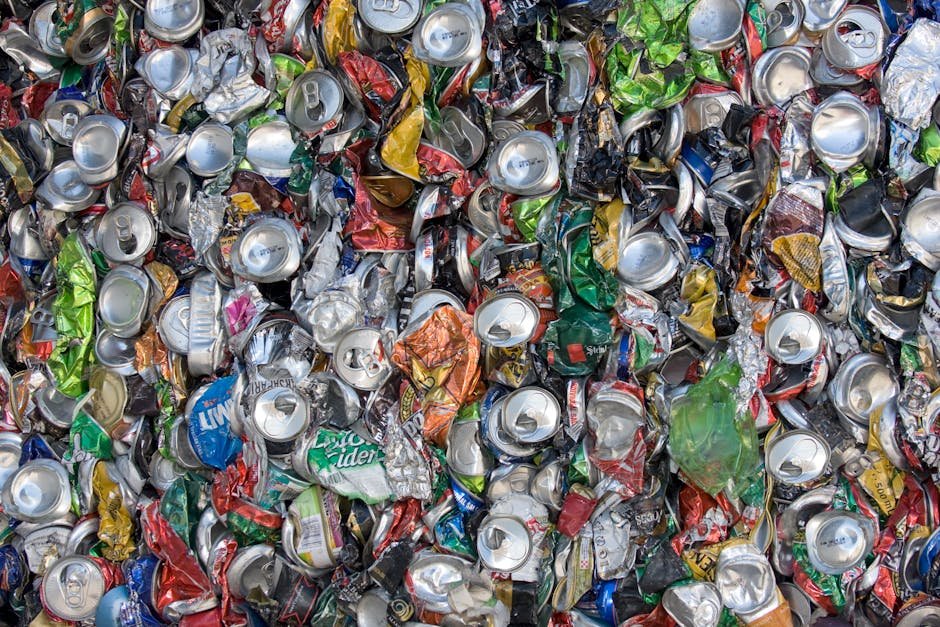

When searching for reliable aluminium recyclers North Sydney, it is vital to understand the complexities of the local scrap market. Whether you are a construction firm managing site waste or a local business accumulating aluminium extrusion offcuts, choosing the right partner ensures you receive fair market value while supporting environmental sustainability. The aluminium recycling industry in Australia is a cornerstone of the circular economy, transforming discarded materials into high-value secondary resources.
The Aluminium Recycling Process Explained
The journey of aluminium from scrap to a new product is a marvel of industrial efficiency. Unlike many other materials, aluminium is infinitely recyclable without losing its intrinsic properties. When you deliver your material to a professional recycling centre, the process begins with sorting. Advanced facilities use eddy current separators and X-ray fluorescence (XRF) technology to distinguish between various alloys, such as the difference between 6063 aluminium extrusion and common cast aluminium.
Once sorted, the scrap is shredded into small, uniform pieces. This increases the surface-area-to-volume ratio, making it easier to remove contaminants like paint, plastic, or steel attachments. The shredded material is then passed through a de-coating kiln to remove organic residues. Finally, the clean scrap is melted in a furnace at approximately 750 degrees Celsius. This molten metal is cast into ingots or billets, which are then shipped to manufacturers to create everything from new window frames to automotive components. By engaging with professional aluminium recyclers North Sydney, you ensure that your waste is processed through these high-standard, energy-efficient channels rather than ending up in a landfill.
Drop-off vs. Pickup: Choosing the Right Service
Deciding between a drop-off service and a professional pickup service depends largely on the volume and nature of your scrap. For small-scale traders or individuals, a drop-off at a local facility is often the most efficient route. It allows for immediate weighing and payment, providing instant liquidity for your scrap. However, for large commercial operations, the logistics of transporting heavy loads can be prohibitive.
A professional pickup service is the gold standard for industrial sites. If you are managing large quantities of scrap, our Bulk Aluminium Scrap Buying Guide provides the necessary insights into preparing your site for efficient collection. We coordinate with logistics providers to ensure that your site remains clean and compliant with safety regulations. If you are also dealing with other metals, you might find it useful to coordinate with steel recyclers north sydney or north sydney copper recyclers to clear your entire site in one go. For those who are active in the trade, joining an Aluminium Scrap Whatsapp Group can help you stay updated on logistics and market demand in real-time.
Environmental Impact and Sustainability
The environmental case for recycling aluminium is overwhelming. Producing primary aluminium from bauxite ore is an energy-intensive process that requires vast amounts of electricity and results in significant carbon emissions. In contrast, recycling aluminium requires only about 5% of the energy needed to produce primary metal. This 95% energy saving makes it one of the most effective ways to reduce the carbon footprint of the manufacturing sector.
Furthermore, the extraction of bauxite often leads to deforestation and soil degradation. By choosing to work with aluminium recyclers North Sydney, you are actively reducing the demand for virgin mining. This commitment to recycling is not just an ethical choice; it is a financial one. As global markets shift toward sustainable sourcing, businesses that can prove their waste is being diverted from landfills are increasingly valued by regulators and consumers alike. Our platform, Scrap Trade, helps connect businesses with verified recyclers who prioritize these sustainable outcomes.
Understanding Aluminium Price Fluctuations
The aluminium price is notoriously volatile, influenced by global commodity exchanges like the London Metal Exchange (LME), currency fluctuations, and local supply chain disruptions. Understanding these factors is crucial for maximizing your returns. Prices are generally determined by the purity of the scrap, the quantity being sold, and the current state of the global market.
For instance, clean, high-grade aluminium extrusion typically commands a higher price than mixed scrap or aluminium cans that contain high levels of contaminants like steel or plastic. If you are a business owner looking to optimize your revenue, understanding How Recyclers Find Industrial Scrap Sellers can give you a competitive edge in negotiating better terms. We recommend that suppliers keep detailed records of their scrap grades and volumes to ensure transparency when dealing with buyers. For the latest industry standards and trading best practices, visit Scrap Trade Australia to stay informed on how to navigate the market effectively.
Best Practices for Scrap Preparation
Preparation is the key to achieving the best possible return on your scrap. Recyclers prefer clean, sorted material because it reduces their processing costs. If you are dealing with aluminium extrusion, remove any thermal breaks, plastic gaskets, or steel screws. The cleaner the material, the higher the grade it will be classified as, and consequently, the higher the price you will receive.
When storing scrap on-site, keep different alloys separate. Mixing high-grade aluminium with low-grade cast or contaminated scrap will often result in the entire batch being downgraded to the lowest common denominator price. Use clearly marked bins and ensure that your site team is trained on the basics of metal identification. Regular maintenance of your scrap storage area also prevents safety hazards, such as sharp edges or tripping risks, which is essential for any industrial operation in North Sydney.
The Future of Aluminium Recycling in Australia
The future of the industry is heavily focused on technological integration and circularity. We are seeing a move toward “closed-loop” recycling, where manufacturers partner directly with recyclers to ensure that the scrap generated in their production process is returned to their own supply chain. This reduces the need for raw material procurement and insulates the business from market volatility.
Digital platforms are also playing a larger role. By digitizing the transaction process, recyclers and sellers can track the lifecycle of their materials, providing the data necessary for ESG (Environmental, Social, and Governance) reporting. As regulatory pressure increases in Australia to reduce industrial waste, the role of professional recyclers will only become more critical. Companies that embrace these digital and sustainable practices today will be the leaders of tomorrow’s industrial landscape.
Regulatory Compliance and Safety Standards
Operating a scrap metal business or managing scrap on a commercial site requires adherence to strict safety and environmental regulations. In New South Wales, the EPA enforces standards regarding the handling of hazardous waste and the prevention of soil and water contamination. Professional recyclers are equipped with the necessary licenses to handle these materials safely.
When selecting a partner, always verify their credentials. A reputable recycler will be transparent about their waste management processes and will provide documentation for the disposal of your scrap. This is particularly important for large-scale industrial projects where compliance audits are standard. By working with established professionals, you mitigate the risk of illegal dumping or improper processing, ensuring that your business maintains its reputation and legal standing.
Maximizing Value Through Strategic Partnerships
Ultimately, the goal of any business dealing with significant amounts of aluminium scrap is to turn a waste stream into a revenue stream. This requires moving beyond transactional relationships and building strategic partnerships with your recyclers. A good recycler will provide you with market insights, help you optimize your storage and collection logistics, and offer consistent pricing models that reflect your long-term commitment.
Whether you are a local contractor or a large-scale manufacturer, the value you derive from your scrap is a direct result of how you manage it. By investing in proper sorting, building relationships with reliable buyers, and staying informed about market trends, you can ensure that your scrap metal operations are as profitable and sustainable as possible. We encourage you to explore the resources available on our platform to continue your journey toward professional scrap management.
Frequently Asked Questions
What is the difference between aluminium extrusion and cast aluminium?
Aluminium extrusion is a process where metal is pushed through a die to create specific shapes, resulting in a high-purity alloy. Cast aluminium is made by pouring molten metal into a mold, often containing other additives that make it a different grade of scrap.
How can I get the best price for my aluminium scrap?
To get the best price, ensure your scrap is clean, free of contaminants like steel or plastic, and sorted by alloy type. Establishing a long-term relationship with a reputable recycler can also lead to better pricing and more reliable service.
Do I need a license to sell scrap metal in North Sydney?
While individuals can typically drop off small amounts of household scrap without a license, businesses are subject to specific regulations regarding the disposal of industrial waste. Always check with local authorities and your chosen recycling facility for compliance requirements.
Why is the aluminium price constantly changing?
Aluminium prices are determined by global market demand, production costs, and the London Metal Exchange. Factors such as energy prices, geopolitical events, and currency exchange rates all play a role in daily price fluctuations.