
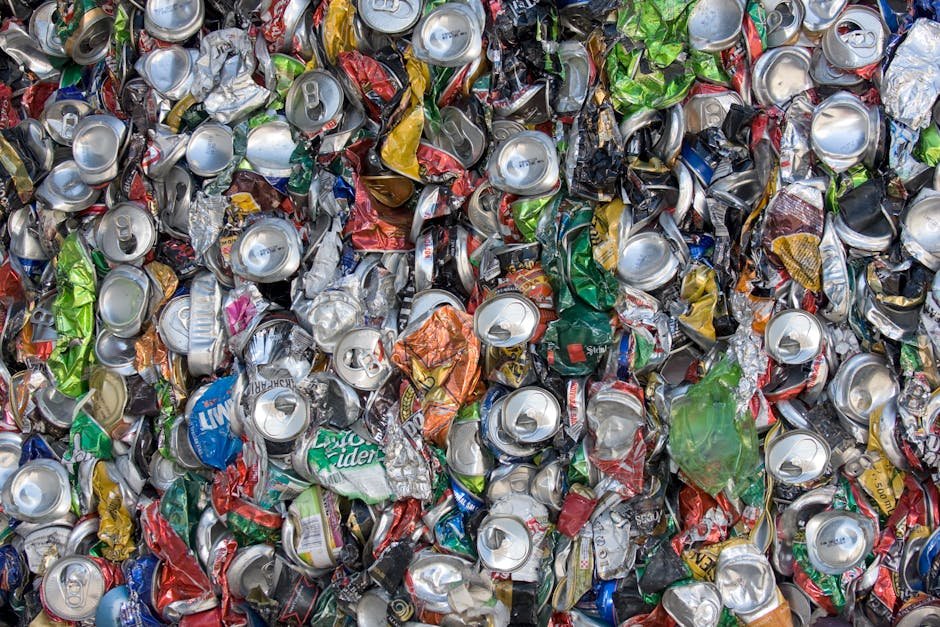

When it comes to aluminium recycling Artarmon, understanding the local market dynamics is essential for both commercial contractors and residential recyclers. Artarmon, situated in Sydney’s Lower North Shore, serves as a critical hub for industrial activity, making it a prime location for the efficient collection and processing of high-value scrap metals. Whether you are dealing with large-scale industrial aluminium extrusion or household aluminium cans, knowing how to categorize your materials can significantly impact the final payout and the overall efficiency of the recycling loop.
The Economic and Environmental Value of Aluminium
Aluminium is a unique commodity in the global market. Unlike many other materials, it can be recycled infinitely without losing its inherent properties. This makes it a cornerstone of the circular economy. For those looking for Metal Recycling Near Me, understanding the lifecycle of this metal is crucial. When you bring your scrap to an artarmon aluminium recycling facility, you are contributing to a process that uses 95% less energy than producing primary aluminium from bauxite ore. This massive energy saving translates into a lower carbon footprint for the entire manufacturing sector in Australia.
Beyond the environmental impact, the aluminium price is driven by global supply chain trends, energy costs, and industrial demand. By participating in professional recycling programs, you are not just cleaning up your workspace; you are actively engaging with a commodity market that rewards high-quality, clean scrap. For those in other parts of Sydney looking for similar services, we also provide resources for aluminium recycling liverpool, ensuring that consistent standards are met across the metropolitan area.
Identifying and Sorting Aluminium Scrap
To maximize your returns, you must be able to differentiate between various grades of aluminium. Not all scrap is created equal. Aluminium scrap is generally categorized into several grades based on purity, alloying elements, and physical form. For instance, clean, unpainted extrusion fetches a higher price than mixed, contaminated scrap containing steel screws, plastic, or rubber gaskets.
Practical tips for sorting include:
- Separation by Alloy: Keep series 6000 (extrusion) separate from series 5000 (sheet) if possible.
- Removal of Contaminants: Always remove steel bolts, plastic clips, and heavy paint or thermal breaks.
- Cleanliness: Ensure your scrap is free from oils, grease, and dirt.
- Size Matters: Larger pieces of clean extrusion are often easier to process and command premium rates.
If you are unsure about your material, our Recycling Community provides a platform where you can share photos and get advice from industry experts. Proper sorting is the most effective way to ensure you get the best possible value for your scrap metal trading efforts.
The Process: From Artarmon to Industry
Once you drop off your materials at an aluminium recycling Artarmon center, the material undergoes a rigorous transformation. First, it is weighed and inspected for quality. Advanced technology, such as X-ray fluorescence (XRF) analyzers, may be used to determine the exact alloy composition. After inspection, the scrap is shredded into smaller pieces to remove non-metallic impurities using magnets and air classifiers.
The shredded aluminium is then melted in high-temperature furnaces. During this stage, fluxing agents are added to remove oxides and other impurities. The molten metal is then cast into ingots or billets, which are then transported to manufacturers to be extruded into new window frames, automotive parts, or recycled into new aluminium cans. This closed-loop system is why al recycling is considered one of the most successful waste management initiatives in the modern world.
Maximizing Your Returns: Market Insights
The aluminium price fluctuates daily based on the London Metal Exchange (LME) and domestic Australian demand. To stay ahead, it is important to monitor these trends. If you are a business generating consistent scrap, consider setting up a dedicated collection bin system. This reduces the time spent sorting on-site and prevents cross-contamination, which is the primary reason for lower-than-expected payouts.
For those searching for Scrap Metal Recycling Near Me, it is advisable to call ahead if you have a large quantity. This allows the facility to prepare for your arrival and provide you with the most current pricing. Remember, transparency is key in the scrap industry. A reputable recycler will always provide clear, itemized weights and current market rates for your material.
Sustainability and the Future of Aluminium
The future of al recycling is bright, with new technologies making it easier to identify and sort complex alloys. As the construction industry in Sydney continues to grow, the demand for recycled aluminium will only increase. By choosing to recycle locally in Artarmon, you are reducing the transport emissions associated with moving heavy scrap metal across the state. This localized approach is a vital component of a sustainable city. For more information on how we facilitate these connections, visit our main portal at Scrap Trade for comprehensive industry news and resources.
Best Practices for Industrial Contractors
Contractors working on demolition or renovation projects in Artarmon have a unique opportunity to turn waste into revenue. By implementing a ‘source separation’ policy on-site, you can significantly increase the value of your scrap. Instead of throwing everything into a general skip bin, use separate containers for aluminium, copper, and steel. This not only saves on disposal costs but also provides a secondary revenue stream that can offset project expenses. High-quality aluminium extrusion from window frames is particularly valuable and should always be kept separate from lower-grade aluminium.
Safety and Compliance in Metal Recycling
Safety should never be compromised when handling scrap metal. Aluminium, while generally safe, can have sharp edges, especially after being cut or shredded. Always wear appropriate personal protective equipment (PPE), including heavy-duty gloves and safety glasses. Furthermore, ensure that your transport vehicle is properly loaded to prevent shifting during transit. Compliance with local environmental regulations is also mandatory; never attempt to dispose of hazardous materials alongside your scrap, as this can lead to significant fines and environmental damage.
Conclusion: Taking Action Today
Engaging in aluminium recycling Artarmon is a simple yet powerful way to contribute to a sustainable future while benefiting from the high market value of scrap metal. By following the tips outlined in this guide—such as proper sorting, staying informed about market prices, and utilizing local resources—you can ensure that you are getting the most out of every kilogram of aluminium you recycle. Whether you are a small business owner or a local resident, your contribution matters. Start by separating your scrap today and join the movement toward a more circular and efficient economy.
Frequently Asked Questions
What is the best way to prepare aluminium scrap for recycling?
The best way to prepare your scrap is to remove all non-aluminium contaminants like steel screws, plastic, rubber, and heavy paint. Sorting your aluminium into clean, separated grades will significantly increase its value.
How often does the aluminium price change?
The price of aluminium is tied to global markets and can fluctuate daily. It is recommended to check current market rates with your local recycler before bringing in large quantities.
Can I recycle aluminium cans with other scrap metal?
While you can, it is often better to keep aluminium cans separate from industrial extrusion. Cans are a different alloy and are typically processed in high-volume recycling streams.
Why is aluminium recycling in Artarmon important for the environment?
Recycling aluminium saves 95% of the energy required to create new metal from raw ore. By recycling locally in Artarmon, you reduce the carbon footprint associated with transport and primary production.