
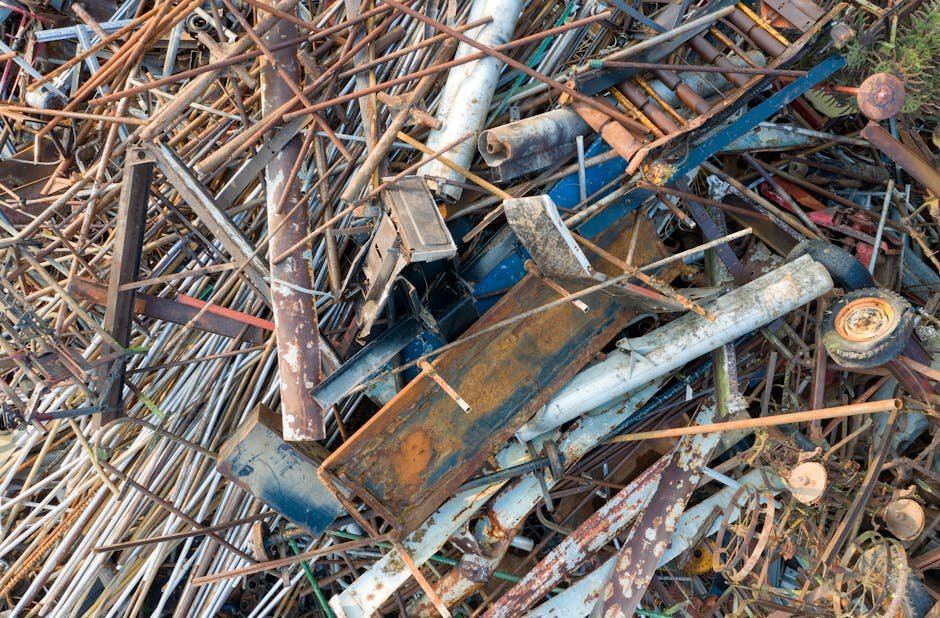

Navigating the Australian recycling market to find the best scrap metal prices requires a solid understanding of how global economic factors influence local rates. Whether you are a trade professional or an individual recycler, knowing the current market value of your materials is the first step toward a profitable transaction. When you search for Best Scrap Metal Prices Near Me, you are essentially looking for a yard that offers transparency and competitive rates based on the daily London Metal Exchange (LME) fluctuations.
How Market Forces Determine Metal Prices Today
The scrap metal industry operates as a reflection of global industrial health. When you look at Scrap Metal Prices, you are seeing a snapshot of a complex supply chain. The primary driver of these rates is the global demand for raw materials, particularly from manufacturing hubs in Asia and Europe. When demand for new steel, copper, or aluminium increases, the price paid for scrap rises accordingly.
Locally, the best scrap metal prices are also influenced by logistics. Transporting heavy, bulky scrap metal is expensive, so yards closer to major shipping ports or manufacturing zones often have more flexibility in their pricing. Furthermore, the currency exchange rate plays a massive role. Since most metal commodities are traded in USD, a strong Australian dollar can sometimes suppress the local price per tonne, while a weaker dollar may increase the payout for local sellers.
For those located in Western Australia, it is essential to check best scrap metal prices perth regularly, as regional demand can differ significantly from the national average. Factors such as local mining activity and construction cycles directly impact the volume of scrap available and, consequently, the price offered by local recyclers.
Understanding Metal Grades and Their Value
Not all scrap is created equal. To secure the best scrap metal prices, you must understand the distinction between ferrous and non-ferrous metals. Ferrous metals, such as iron and steel, contain iron and are magnetic. They are generally traded in higher volumes but at a lower price per kg compared to non-ferrous metals.
Non-ferrous metals, which include copper, brass, aluminium, lead, and stainless steel, are highly sought after because they can be recycled infinitely without losing their properties. Copper, for instance, is often the most valuable scrap metal due to its conductivity and demand in the electrical and construction sectors. When you are looking for scrap metal prices perth per kg, you will notice that high-purity copper (often referred to as ‘bright and shiny’) commands a significantly higher rate than copper with insulation or other contaminants.
Sorting your scrap is the single most effective way to increase your profit. A mixed load of scrap will almost always be valued at the lowest common denominator—the price of light steel. By separating your brass, aluminium, and copper, you ensure that you are paid the premium rate for each specific grade. If you are unsure where to start, visit the leading scrap trading platform to view updated grading charts.
The Role of Recycling in the Australian Economy
Recycling scrap metal is not just a way to make extra cash; it is a pillar of the circular economy. By choosing to recycle, you are reducing the need for destructive mining operations. Extracting raw ore is energy-intensive and environmentally taxing, whereas recycling existing metal consumes a fraction of that energy. For example, recycling aluminium saves approximately 95% of the energy required to produce it from bauxite ore.
In Australia, the scrap metal industry supports thousands of jobs and provides essential raw materials for domestic manufacturing. When you use Scrap Metal Prices Near Me to find a reputable yard, you are contributing to a system that prevents millions of tonnes of waste from entering landfills. This environmental benefit is a key reason why government and industry bodies continue to incentivize metal recycling programs.
For businesses, managing scrap metal effectively is a vital part of waste management strategies. Partnering with a professional recycling service like Scraptrade Australia allows companies to streamline their recycling processes, ensure compliance with environmental regulations, and generate a steady revenue stream from their industrial waste.
Factors Affecting the Price Per Tonne and Per KG
When you see a price quote, it is important to distinguish between the price per kg and the price per tonne. Smaller quantities are typically quoted per kilogram, while large industrial volumes are quoted per tonne. Several variables can cause these figures to shift:
- Purity and Contamination: Metals mixed with plastic, rubber, or wood are considered ‘dirty’ and will be downgraded. Always strip insulation from wires and remove non-metallic attachments to get the best value.
- Market Volatility: Metal prices today can change overnight. A sudden shift in Chinese manufacturing output or a global supply chain disruption can cause prices to spike or drop within 24 hours.
- Yard Overhead: Different yards have different operational costs. Large-scale processors with advanced sorting technology can often offer better rates because they can handle higher volumes and process materials more efficiently.
- Quantity: Most yards offer tiered pricing. If you have a large volume of a single metal grade, you are more likely to negotiate a better price per tonne than if you were bringing in a small bag of mixed scrap.
It is always recommended to call ahead if you have a significant load. Developing a relationship with a local yard manager can lead to better insights into when the market is peaking, allowing you to time your sales for maximum return.
How the Recycling Process Works
Once your metal reaches the yard, it undergoes a systematic process to prepare it for the global market. First, the metal is weighed on certified scales. Transparency at this stage is crucial, and reputable yards will provide you with a printed receipt detailing the weight and the grade of each material.
After weighing, the metal is sorted. Advanced facilities use magnets for ferrous metals and eddy current separators or X-ray fluorescence (XRF) scanners for non-ferrous metals to determine the exact alloy composition. Once sorted, the metal is shredded or sheared into smaller pieces to make it easier to transport and melt.
The final step is the smelting process, where the scrap is melted down into ingots. These ingots are then sold to manufacturers who use them to create everything from car parts and building materials to beverage cans and electronics. This closed-loop system is why the scrap metal industry is considered one of the most successful examples of sustainability in the modern world.
Safety and Legal Considerations
Safety is paramount when handling scrap metal. Heavy lifting, sharp edges, and hazardous materials are common risks. Always wear appropriate personal protective equipment (PPE), including gloves and sturdy boots. Never attempt to cut or dismantle items that may contain pressurized gases or hazardous chemicals, such as old fire extinguishers or air conditioning units.
Additionally, be aware of the legal requirements for selling scrap. In many Australian states, scrap metal dealers are required to verify the identity of the seller to prevent the trade of stolen goods. Expect to provide a valid driver’s license or government-issued ID when visiting a yard. This regulation protects the industry and ensures that the scrap metal market remains a legitimate and safe environment for everyone.
Future Trends in the Scrap Metal Industry
The future of the scrap metal industry is leaning heavily toward automation and better tracking. As the world moves toward a net-zero future, the demand for recycled metals will only increase. We are seeing a shift toward ‘green steel’ and recycled copper, which are becoming essential components for the transition to renewable energy technologies like electric vehicles and wind turbines.
Investors and recyclers alike should keep a close eye on the transition to electric vehicles. As the demand for lithium-ion batteries and copper wiring grows, the secondary market for these materials will become increasingly lucrative. Staying informed through industry hubs will help you stay ahead of these trends and ensure you are positioned to take advantage of market shifts as they happen.
Conclusion
Securing the best scrap metal prices is a combination of market awareness, proper sorting, and choosing the right partner. By understanding the factors that influence the market rate, you can turn your waste into a significant asset. Whether you are a homeowner clearing out a garage or a contractor managing construction waste, the principles of high-quality sorting and timely selling remain the same. Always prioritize safety, maintain clear documentation of your sales, and keep an eye on global market trends. By engaging with reputable local yards and utilizing the resources available at your disposal, you can ensure that you are getting the most out of every kilogram of metal you recycle.
Frequently Asked Questions
Why do scrap metal prices change so often?
Scrap metal prices are driven by global supply and demand, currency exchange rates, and the London Metal Exchange. Because these factors fluctuate daily, local scrap yards adjust their rates to reflect current market conditions.
What is the most valuable scrap metal to collect?
Copper is generally the most valuable scrap metal due to its high demand in electrical and plumbing applications. Other high-value metals include brass, stainless steel, and aluminium.
How can I get a better price for my scrap metal?
The best way to get a higher price is to sort your metals by type and remove any contaminants like plastic, rubber, or insulation. Clean, separated metals are worth significantly more than mixed, ‘dirty’ scrap.
Do I need identification to sell scrap metal in Australia?
Yes, most Australian states require scrap metal dealers to record the seller’s details and verify their identity. You will typically need to present a valid driver’s license or government-issued photo ID.