

When it comes to scrap aluminium recycling Seven Hills, businesses and individuals alike play a vital role in the circular economy of New South Wales. Aluminium is one of the most sustainable materials on the planet, capable of being recycled infinitely without losing its inherent properties. Whether you are a construction firm clearing a site or a local manufacturer managing industrial waste, understanding the nuances of the recycling process is essential for environmental compliance and financial optimization.
The Economic Importance of Aluminium Recycling in Seven Hills
The local economy in Seven Hills relies heavily on efficient waste management and material recovery. By engaging in professional scrap aluminium recycling Seven Hills, you are not just clearing space; you are participating in a global supply chain that values resource efficiency. The market for scrap metal is dynamic, and understanding the factors that influence the aluminium price is crucial for those looking to maximize their returns. Unlike other commodities, the value of aluminium is tied to its purity and the cost-efficiency of the secondary smelting process.
Many operators often confuse the operational differences between trading and processing. To better understand these nuances, we recommend reading our guide on Scrap Trading Vs Recycling Business. This distinction is vital for anyone looking to enter the industry or optimize their current waste management strategy. Furthermore, for those searching for reliable local services, finding a trusted Scrap Metal Recycling Near Me provider is the first step toward ensuring your materials are processed according to Australian environmental standards.
Understanding Aluminium Grades and Classification
Not all aluminium is created equal. To get the best value, you must be able to identify the different grades present in your scrap pile. Aluminium is generally categorized based on its alloy composition and its physical state. Understanding these grades is the cornerstone of successful al recycling.
- Aluminium Extrusion: This is high-quality, clean aluminium, typically found in window frames, door frames, and structural components. It is highly sought after due to its consistent alloy composition.
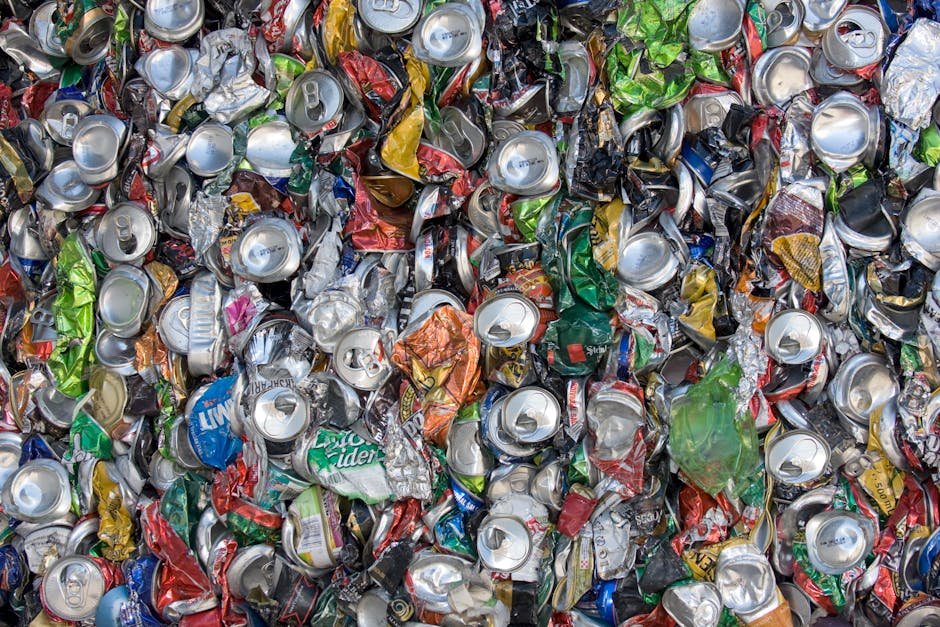
- Aluminium Cans (UBCs): Used Beverage Cans are a staple of the recycling industry. They are lightweight, abundant, and easy to process, making them a high-volume commodity.
- Cast Aluminium: Often found in engine blocks, transmission cases, and lawnmower decks. This grade contains higher levels of silicon and requires specific melting techniques.
- Sheet Aluminium: Thin, flat pieces often used in roofing, siding, or automotive panels.
For those dealing with larger quantities, we have developed a comprehensive Bulk Aluminium Scrap Buying Guide to help you navigate the complexities of grading and pricing. Proper sorting at the source significantly increases the value of your scrap, as mixed loads often incur lower rates due to the additional processing required at the facility.
The Technical Process: How Aluminium is Recycled
The journey of aluminium from a piece of scrap to a new product is a marvel of industrial engineering. The process begins with collection and transport to a facility in or near Seven Hills. Once on-site, the material undergoes a rigorous sorting process. Magnetic separators are used to remove ferrous contaminants, while eddy current separators are employed to isolate non-ferrous metals like aluminium from other materials.
After sorting, the aluminium is shredded into small, uniform pieces. This increases the surface area, making the subsequent melting process more efficient. The shredded material is then passed through a de-coating furnace, which removes paints, lacquers, and other organic coatings. Finally, the clean scrap is fed into a melting furnace, where it is converted into molten aluminium. This molten metal is then cast into ingots or billets, which are sent to manufacturers to create new products. This closed-loop system is the hallmark of modern scrap aluminium recycling Seven Hills practices.
While aluminium is our focus, many sites also handle other metals. If you have additional materials on-site, you may also be interested in scrap copper recycling seven hills or waste copper recycling seven hills to ensure your entire waste stream is managed efficiently. For a broader overview of our services, visit the primary scrap metal trading platform or check out our corporate site at Australian Scrap Metal Trading for more information on industrial-scale solutions.
Environmental Benefits of Aluminium Recycling
The environmental impact of recycling aluminium cannot be overstated. Producing primary aluminium from bauxite ore is an energy-intensive process that involves mining, refining, and smelting. In contrast, recycling aluminium scrap requires approximately 95% less energy than producing new metal from raw ore. This massive energy saving translates directly into a significant reduction in greenhouse gas emissions.
Furthermore, recycling preserves natural resources by reducing the need for bauxite mining, which often leads to deforestation and biodiversity loss. By keeping aluminium in the production loop, we reduce the volume of waste sent to landfills, which is a critical goal for the New South Wales waste management strategy. Every tonne of recycled aluminium saves approximately 14,000 kilowatt-hours of electricity and significant amounts of caustic soda and water.
Best Practices for Scrap Collection and Storage
To maximize the value of your scrap, how you store it matters as much as how you collect it. Contamination is the primary enemy of high-value scrap. Keep your aluminium separate from other materials like steel, plastic, or rubber. Use designated bins or areas for different grades—for example, keep your aluminium extrusion separate from your aluminium cans.
Ensure your scrap is kept dry and free from debris. While aluminium is corrosion-resistant, excess moisture or dirt can add unnecessary weight and lower the quality of your load. If you are a business, implement a “sort-at-source” policy. This not only makes the recycling process faster but also allows you to command better pricing, as the recycler spends less time and money on cleaning and sorting your material.
Future Trends in the Aluminium Industry
The future of the aluminium industry is leaning heavily toward “Green Aluminium.” This refers to aluminium produced using renewable energy sources and a higher percentage of recycled content. As global demand for sustainable materials grows, the value of recycled aluminium is expected to rise. Technological advancements in AI-driven sorting and laser-induced breakdown spectroscopy (LIBS) are making it easier to identify and sort alloys with precision, further increasing the efficiency of the recycling process.
In Seven Hills, businesses that adopt advanced recycling practices today will be better positioned to meet the tightening environmental regulations of tomorrow. Staying informed about market shifts and technical innovations is not just good for the planet; it is a smart business move that ensures long-term viability in a competitive market.
Conclusion: Taking Action
Recycling is the backbone of a sustainable industrial future. By understanding the grades of aluminium, the recycling process, and the environmental benefits of your actions, you contribute to a more efficient and cleaner Seven Hills. Whether you are a small business owner or a large industrial operator, taking the time to properly sort and manage your scrap metal will yield significant dividends—both for your bottom line and for the environment. Start by auditing your current waste stream and identifying opportunities to divert more aluminium into the recycling loop today.
Frequently Asked Questions
What is the most valuable type of aluminium scrap?
Clean, segregated aluminium extrusion is generally the most valuable grade because it has a consistent chemical composition and requires minimal processing to be reused in high-quality manufacturing.
How does the aluminium price affect recycling?
The aluminium price is tied to global demand and the cost of primary production. When primary aluminium prices are high, the demand for recycled scrap increases, which often results in better payouts for those recycling their materials.
Can all aluminium products be recycled?
Yes, aluminium is infinitely recyclable. Whether it is a soft drink can, a car part, or a window frame, it can be melted down and repurposed without any degradation in quality.
Why is it important to separate aluminium from other metals?
Mixing metals causes contamination, which makes the recycling process more difficult and expensive. Separating your scrap ensures that the aluminium can be processed efficiently, which usually results in a higher price for the seller.