
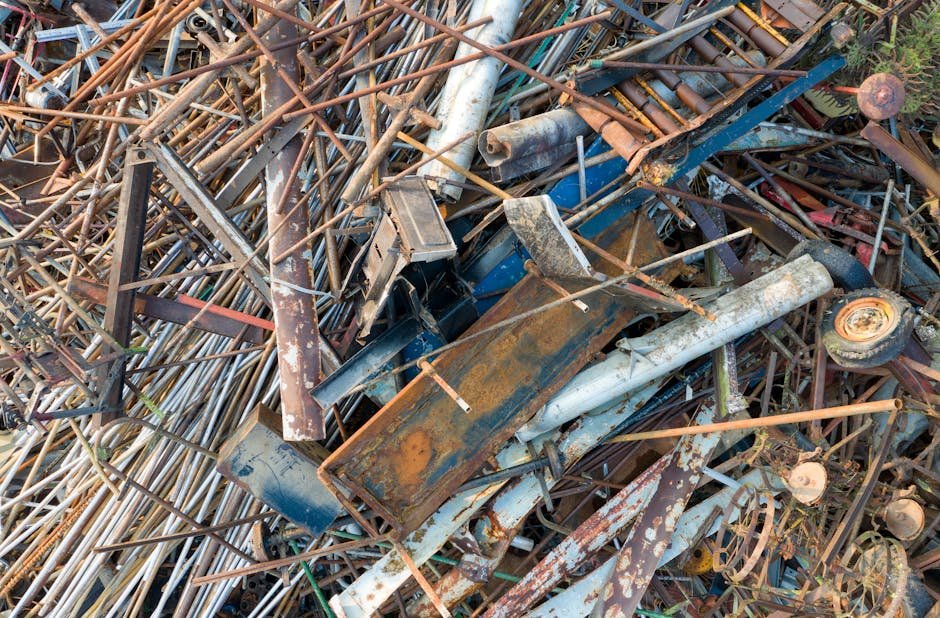

Navigating the landscape of scrap metal dealers hills district requires an understanding of both local market dynamics and the technical specifications of metal grades. As the Hills District continues to see significant infrastructure growth and residential development, the demand for efficient, transparent, and environmentally conscious metal recycling has never been higher. Whether you are a trade professional, a demolition contractor, or a homeowner clearing out a shed, understanding how to classify and prepare your scrap is the first step toward maximizing value and ensuring regulatory compliance.
Understanding Metal Grades: Ferrous vs. Non-Ferrous
To engage effectively with scrap metal dealers hills district, you must first distinguish between the two primary categories of metal: ferrous and non-ferrous. Ferrous metals, which contain iron, are magnetic and generally heavier. Common examples include structural steel, cast iron, and wrought iron. These materials are the backbone of the construction industry and are recycled in massive volumes. Because they are abundant, they typically command lower prices per kilogram than their non-ferrous counterparts.
Non-ferrous metals, by contrast, do not contain iron. This category includes copper, aluminium, brass, lead, and stainless steel. These metals are highly prized for their resistance to corrosion and their infinite recyclability. For instance, high-grade copper wiring is a staple for electricians. If you are handling telecommunications infrastructure, our Telecom Scrap Metal Selling Guide provides essential advice on how to strip and sort these materials to ensure you receive the highest possible payout.
When you visit a yard, you will find that dealers use specific grading systems based on purity, contamination levels, and market demand. For example, ‘bright and shiny’ copper fetches a premium compared to ‘burnt’ or ‘insulated’ copper. Understanding these distinctions allows you to separate your loads before arriving at the yard, which significantly speeds up the weighing process and ensures you are paid for the highest grade possible.
The Scrap Metal Recycling Process: From Collection to Commodity
The journey of a piece of scrap metal from your site to a new product is a sophisticated industrial process. Once you have identified reputable scrap metal dealers hills district, the material undergoes a rigorous cycle: collection, sorting, processing, and melting. At the collection stage, dealers use heavy-duty equipment, including industrial magnets and optical sorters, to separate ferrous materials from non-ferrous ones.
Processing is where the value is truly added. Large-scale shredders break down complex items, such as appliances or vehicles, into smaller fragments. This allows for the removal of non-metallic contaminants like plastics, rubber, and glass. Once the metal is clean, it is compressed into dense bales or fed into furnaces to be melted down into ingots. These ingots are then sold back to manufacturers to be forged into new products, effectively closing the loop on the circular economy.
For those looking to optimize their logistics, it is important to consider the scale of your operation. If you are a large-scale producer of scrap, you may require bin services or scheduled pickups. Many professional operators, such as those found at Scrap Trade, provide tailored solutions for industrial clients. If you are wondering how to navigate the market landscape, our resources on how to Sell Scrap Metal Near Me In 2026 offer a forward-looking perspective on industry trends and pricing strategies.
Environmental Benefits of Metal Recycling
The environmental impact of recycling scrap metal cannot be overstated. Mining and refining virgin ores is an energy-intensive process that results in significant greenhouse gas emissions and habitat destruction. By choosing to recycle, you are directly reducing the need for raw material extraction. For instance, recycling aluminium saves approximately 95% of the energy required to produce the same amount of aluminium from bauxite ore.
Furthermore, recycling scrap metal significantly reduces the volume of waste sent to landfills. Metals that end up in landfill can leach hazardous substances into the soil and groundwater over time. By diverting these materials, recycling facilities contribute to a cleaner local environment in the Hills District. It is a sustainable practice that benefits both the economy and the ecosystem.
For businesses, maintaining a robust recycling program is also a key component of ESG (Environmental, Social, and Governance) reporting. Demonstrating that your company responsibly manages its waste streams can enhance your brand reputation and align your operations with modern sustainability standards. If you are looking for broader regional options, you might also compare services with scrap metal dealers brendale qld to understand how national standards apply to local recycling facilities.
Logistics and Safety: Practical Tips for Sellers
Safety is the most critical aspect of handling scrap metal. Whether you are dealing with heavy steel beams or sharp copper offcuts, proper personal protective equipment (PPE) is non-negotiable. Always wear heavy-duty gloves, steel-capped boots, and high-visibility clothing when working on site. If you are transporting scrap, ensure your load is properly secured to prevent accidents during transit.
When preparing to sell, organization is your best friend. Keep different types of metals in separate containers. Mixing copper with steel, or lead with aluminium, will often result in the entire load being downgraded to the price of the cheapest metal in the mix. By pre-sorting your scrap, you demonstrate to the dealer that you are a professional operator, which often leads to better long-term relationships and potentially higher pricing tiers.
If you are looking for a reliable partner to manage your metal assets, visit Scrap Trade Australia to explore their comprehensive service offerings. They provide the industry expertise needed to navigate complex transactions. Additionally, if you are conducting large-scale international trades, ensure you follow best practices for Secure Scrap Metal Export Transactions to protect your financial and legal interests.
Navigating Market Fluctuations and Pricing
Scrap metal pricing is inherently volatile, influenced by global commodity markets, supply chain disruptions, and manufacturing demand. The London Metal Exchange (LME) serves as the benchmark for global metal prices, and local dealers adjust their rates based on these international movements. As a seller, it is helpful to keep an eye on these trends.
When you are searching for scrap metal dealers near me, don’t just look for the closest location; look for a dealer who provides transparent pricing. A reputable dealer will be happy to explain how they determine the value of your load based on the current LME rates and local processing costs. Always ask for a weighbridge ticket that clearly shows the gross, tare, and net weight of your material.
Building a relationship with a trusted dealer is the best way to hedge against market volatility. Regular suppliers often receive priority service and more consistent pricing. If you are a trade contractor, consider negotiating a contract that pegs your scrap rates to a percentage of the LME, ensuring you always get a fair deal regardless of market swings.
The Future of Metal Recycling in Australia
The Australian scrap metal industry is currently undergoing a digital transformation. From automated weighing systems to blockchain-based tracking of metal provenance, the sector is becoming more efficient and transparent. As a participant in this market, embracing these technologies will help you streamline your operations and improve your bottom line.
Government regulations regarding waste management are also tightening. In the Hills District and across New South Wales, there is an increasing focus on circularity. This means that businesses are being encouraged to design products for disassembly, making the eventual recycling process much easier. As this trend continues, the value of high-quality, pre-sorted scrap will only increase.
By staying informed and working with professional dealers, you position yourself at the forefront of this shift. Whether you are recycling copper piping from a renovation or managing tons of steel from a demolition site, your contribution is vital to the Australian economy. Keep your documentation in order, prioritize safety, and always seek out partners who share your commitment to quality and sustainability.
Comprehensive FAQ Section
1. How do I know if my metal is ferrous or non-ferrous?
The easiest way to check is with a magnet; if the magnet sticks to the metal, it is ferrous (contains iron). If the magnet does not stick, it is non-ferrous (such as copper, aluminium, or brass), which is generally more valuable.
2. Why should I sort my scrap before taking it to a dealer?
Sorting your scrap prevents ‘contamination,’ where different metals get mixed together. When metals are mixed, dealers must downgrade the entire load to the price of the lowest-value metal, so sorting ensures you receive the maximum payment for each grade.
3. Do scrap metal dealers accept all types of household items?
Most dealers accept common items like old appliances, copper pipes, and aluminium cans, but they often cannot accept hazardous materials like gas bottles, sealed containers, or items containing radioactive materials. It is always best to call ahead if you are unsure about a specific item.
4. How is the price of my scrap metal determined?
Prices are primarily based on the current global commodity market rates (such as those on the London Metal Exchange) adjusted for local demand, transport costs, and the purity of your specific scrap material. High-purity, clean loads will always fetch a higher price than dirty or mixed materials.
Conclusion: Choosing the Right Partner
In conclusion, the success of your metal recycling efforts depends on your knowledge of the industry and the quality of the partnerships you form. By understanding the differences between metal grades, prioritizing the sorting of your materials, and engaging with reputable scrap metal dealers hills district, you can turn your waste into a significant revenue stream while supporting a vital environmental cause.
Always remember to prioritize safety, keep accurate records of your transactions, and stay informed about market trends. Whether you are a small business owner or a large industrial entity, the principles of professional scrap management remain the same: quality, transparency, and consistency. As you continue your journey in the recycling industry, utilize the resources and guides provided by industry leaders to ensure you are always getting the best value for your materials. The future of the Hills District is circular, and your participation is a key part of that sustainable vision.
Frequently Asked Questions
How do I know if my metal is ferrous or non-ferrous?
The easiest way to check is with a magnet; if the magnet sticks to the metal, it is ferrous (contains iron). If the magnet does not stick, it is non-ferrous (such as copper, aluminium, or brass), which is generally more valuable.
Why should I sort my scrap before taking it to a dealer?
Sorting your scrap prevents ‘contamination,’ where different metals get mixed together. When metals are mixed, dealers must downgrade the entire load to the price of the lowest-value metal, so sorting ensures you receive the maximum payment for each grade.
Do scrap metal dealers accept all types of household items?
Most dealers accept common items like old appliances, copper pipes, and aluminium cans, but they often cannot accept hazardous materials like gas bottles, sealed containers, or items containing radioactive materials. It is always best to call ahead if you are unsure about a specific item.
How is the price of my scrap metal determined?
Prices are primarily based on the current global commodity market rates (such as those on the London Metal Exchange) adjusted for local demand, transport costs, and the purity of your specific scrap material. High-purity, clean loads will always fetch a higher price than dirty or mixed materials.