
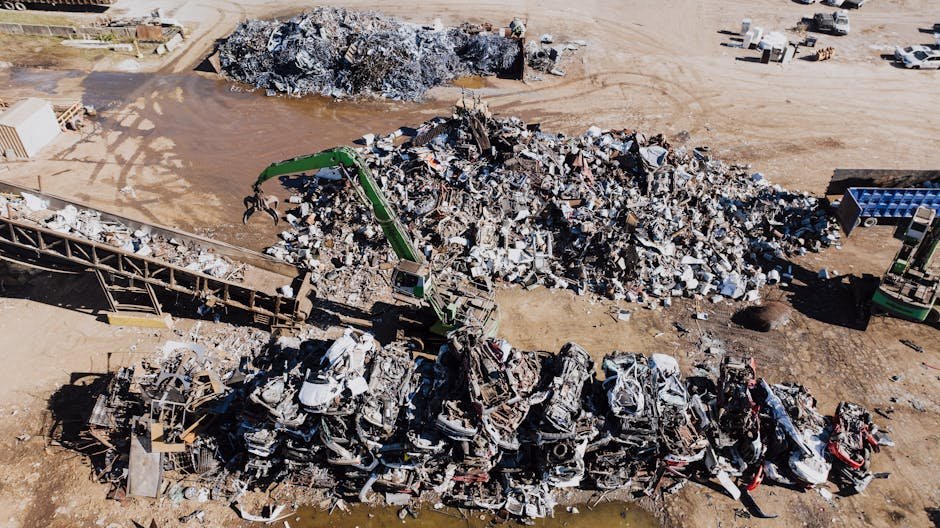

When searching for reliable silverwater metal recyclers, it is essential to understand that the facility you choose directly influences the efficiency of the circular economy in New South Wales. As industrial hubs continue to expand across Western Sydney, the demand for professional metal management has never been higher. Whether you are a trade contractor, a demolition company, or a household looking to clear out a garage, understanding the lifecycle of your scrap is the first step toward responsible disposal.
The Critical Role of Silverwater Metal Recyclers in the Circular Economy
The industrial landscape of Silverwater serves as a vital artery for Sydney’s construction and manufacturing sectors. Silverwater metal recyclers act as the gatekeepers of this material flow, ensuring that valuable resources do not end up in landfills. By processing everything from copper wiring to heavy structural steel, these facilities prevent the need for virgin ore extraction, which is one of the most energy-intensive processes on the planet. When you choose to recycle, you are actively participating in a system that values resource preservation over waste.
For those looking to maximize their returns, staying informed about Scrap Metal Prices is crucial. Market fluctuations are driven by global demand, particularly in the manufacturing hubs of Asia, and local supply chain logistics. By utilizing a reputable scrap metal trading platform, you can ensure that you are getting the best market value for your materials. Unlike localized, small-scale operations, professional recyclers in this region utilize advanced sorting technology to identify alloy compositions, ensuring that high-grade materials are not downgraded during the recycling process.
If you are wondering how to manage your scrap inventory, you might be asking: how do I Sell Scrap Metal Near Me In 2026? The answer lies in partnering with facilities that offer transparent weighing, competitive pricing, and efficient processing. Whether you are dealing with ferrous metals like iron and steel or non-ferrous metals like aluminum, brass, and copper, the Scrap Metal Recycling Near Me search results often lead to a variety of choices, but quality of service and environmental compliance should always be your top priorities.
Understanding the Metal Recycling Process: From Scrap to Commodity
The journey from a discarded piece of metal to a raw commodity is a complex, multi-stage operation. It begins with collection, where silverwater metal recyclers either receive materials via a drop-off or manage large-scale collections. Once the metal arrives at the facility, the sorting process begins. This is where the expertise of the recycler comes into play. Using magnets, X-ray fluorescence (XRF) analyzers, and manual sorting, the facility separates ferrous metals (which are magnetic) from non-ferrous metals (which are not).
After sorting, the metal undergoes shredding. Shredders break the metal down into smaller pieces, increasing the surface area for the subsequent melting process. This stage is vital because smaller pieces are easier to process in the furnace. The shredded metal is then cleaned to remove impurities like paint, plastic, or dirt. Finally, the metal is melted in a high-temperature furnace and cast into ingots or bars. These ingots become the feedstock for manufacturers, completing the loop. This entire process consumes significantly less energy than refining raw ore, which is the primary reason recycling is a cornerstone of modern environmental policy.
When comparing different service providers, it is worth noting that some facilities specialize in specific niches. For instance, while you might find windsor metal recyclers for specific regional needs, the Silverwater cluster is known for its high-volume capacity and ability to handle complex industrial demolition scrap. Similarly, premier metal recyclers may offer different logistical advantages depending on your location. Always check the facility’s certification to ensure they adhere to Australian environmental standards.
Drop-off vs. Pickup Service: Choosing the Right Logistics
Choosing between a drop-off and a pickup service depends largely on the volume and nature of your scrap. For residential customers or small tradespeople with a trailer, a drop-off at a professional recycling centre is often the most cost-effective solution. It allows you to visit the weighbridge, see the grading process firsthand, and receive immediate payment. Drop-offs are ideal for smaller loads that can be easily transported without specialized equipment.
Conversely, a pickup service is essential for commercial enterprises, construction sites, and demolition projects. Professional recyclers provide skip bins or hook-lift bins that can be placed on-site for extended periods. This logistical support is a major environmental benefit, as it encourages the segregation of scrap on-site, preventing cross-contamination and ensuring that high-value metals are kept separate from general waste. When selecting a pickup service, ensure the provider has a fleet capable of handling your specific volume. A well-managed pickup service reduces the number of trips required, thereby lowering the overall carbon footprint of the recycling operation.
Effective waste management is not just about moving metal; it is about efficiency. If you are a commercial contractor, you should look for recyclers that offer scheduled pickups. This consistency ensures that your site remains clean and safe, reducing the risk of workplace accidents caused by scrap pileups. Furthermore, many modern recyclers now provide digital reporting, which helps businesses track their waste diversion metrics—a key requirement for many sustainability certifications.
The Environmental Impact and Carbon Footprint Reduction
The environmental benefit of metal recycling is profound. Mining for virgin metal involves habitat destruction, water pollution, and massive energy consumption. By recycling, we drastically reduce our carbon footprint. For example, recycling aluminum saves approximately 95% of the energy required to produce the same amount of aluminum from bauxite ore. This energy saving directly translates to lower greenhouse gas emissions, making metal recycling one of the most effective ways to combat climate change at the industrial level.
Beyond energy savings, recycling prevents toxic heavy metals from leaching into the soil and groundwater. When scrap metal is left in landfills, it eventually corrodes, releasing hazardous substances into the local ecosystem. By diverting this waste to a licensed facility, you are ensuring that these materials are processed in a controlled environment where pollutants are captured and treated. This is a critical aspect of urban sustainability, especially in densely populated areas like Greater Sydney.
Furthermore, the circular economy model supported by these recyclers promotes resource security. Australia has a wealth of mineral resources, but they are finite. By treating our existing metal stocks as a “mine above ground,” we ensure that future generations have access to the materials they need for infrastructure, technology, and housing. Every ton of recycled steel prevents the mining of approximately 1,100 kilograms of iron ore, 630 kilograms of coal, and 55 kilograms of limestone.
Practical Tips for Maximizing Your Scrap Value
If you want to get the most out of your scrap metal, preparation is key. First, segregate your metals before you arrive at the facility. Mixing copper, brass, and aluminum with steel significantly lowers the value of the entire load because the recycler has to spend extra time and labor separating it. Keep your non-ferrous metals separate from your ferrous metals. Clean your scrap as much as possible; removing non-metallic attachments like plastic handles, rubber hoses, or wooden frames will result in a higher grade and a better price.
Second, stay educated on market trends. Metal prices are commodities, and they change daily based on global economic conditions. Check the Scrap Metal Prices regularly to decide the best time to sell. If you have a large quantity of a specific metal, such as copper or stainless steel, keep an eye on the market and wait for a peak before scheduling a pickup. Large-scale sellers often have the leverage to negotiate better rates, so don’t be afraid to ask for a quote based on the volume you are providing.
Finally, build a relationship with your recycler. If you are a regular supplier, the facility is more likely to offer you better service, faster turnaround times, and more consistent pricing. Treat your scrap metal as a valuable business asset, not just as waste. By managing it professionally, you contribute to a more sustainable industry while simultaneously improving your own bottom line.
Safety and Compliance: The Professional Standard
Operating in the scrap metal industry requires strict adherence to safety and environmental regulations. Professional recyclers must comply with EPA (Environmental Protection Authority) guidelines to ensure that their operations do not harm the local environment. This includes proper containment of fluids, safe handling of hazardous materials, and noise control measures. When you choose a reputable recycler, you are choosing a partner that operates within the law, protecting you from potential liability associated with improper waste disposal.
Safety on the site is equally important. Whether you are dropping off scrap or having it picked up, always follow the facility’s safety protocols. Wear appropriate personal protective equipment (PPE), such as gloves and sturdy boots, and obey all signage regarding traffic flow and pedestrian zones. Metal recycling sites can be busy, with heavy machinery and moving vehicles, so maintaining situational awareness is vital for your safety and the safety of the workers.
Ultimately, the professionalization of the scrap metal industry has transformed it from a “junkyard” perception to a high-tech sector. Modern facilities are equipped with sophisticated weighing systems that provide accurate, digital receipts, ensuring that you are paid exactly for what you deliver. This level of transparency is the hallmark of a world-class recycling operation and is what you should expect when dealing with any major recycler in the Silverwater area.
Future Trends in Metal Recycling
The future of metal recycling is bright, driven by technological innovation and a global shift toward sustainability. We are seeing the rise of automated sorting systems that use artificial intelligence and robotics to achieve near-perfect separation of materials. This will lead to higher purity levels in recycled metals, allowing them to be used in more demanding applications, such as aerospace and advanced electronics. Furthermore, blockchain technology is being explored to track the provenance of recycled materials, providing manufacturers with the assurance that their supply chain is truly sustainable.
As we look toward 2026 and beyond, the integration of digital platforms will become the norm. The ability to book a pickup, track your scrap in real-time, and receive instant payments via an app will streamline the process for everyone involved. This digital transformation is already underway, and those who embrace these tools will find themselves at a distinct advantage in the marketplace. By staying connected with the latest developments in the industry, you can ensure that your recycling efforts remain efficient, profitable, and environmentally responsible.
In conclusion, the recycling of scrap metal is a foundational element of a modern, sustainable society. By understanding the processes, logistics, and environmental benefits associated with silverwater metal recyclers, you can make informed decisions that benefit both your wallet and the planet. Whether you are a small business, a large industrial player, or a conscious individual, your contribution to the circular economy matters. Start by evaluating your scrap management practices today and take the step toward a cleaner, more efficient future.
Frequently Asked Questions
What is the most valuable metal to recycle?
Copper is generally the most valuable metal to recycle due to its high demand in electrical and plumbing industries. Other high-value metals include brass, stainless steel, and aluminum.
How do I get the best price for my scrap metal?
To get the best price, ensure your scrap is clean and sorted by metal type before arriving at the facility. Keep an eye on market trends and sell when prices for your specific metal type are peaking.
Do I need an appointment to drop off scrap metal?
Most recycling centres accept walk-ins during business hours, but it is recommended to call ahead if you have a very large load or require special handling. This ensures they have the equipment and space ready for your arrival.
Why is it important to separate ferrous and non-ferrous metals?
Separating these metals is critical because they are processed using different methods and have vastly different market values. Mixing them reduces the overall value of your load and makes the recycling process significantly less efficient.