
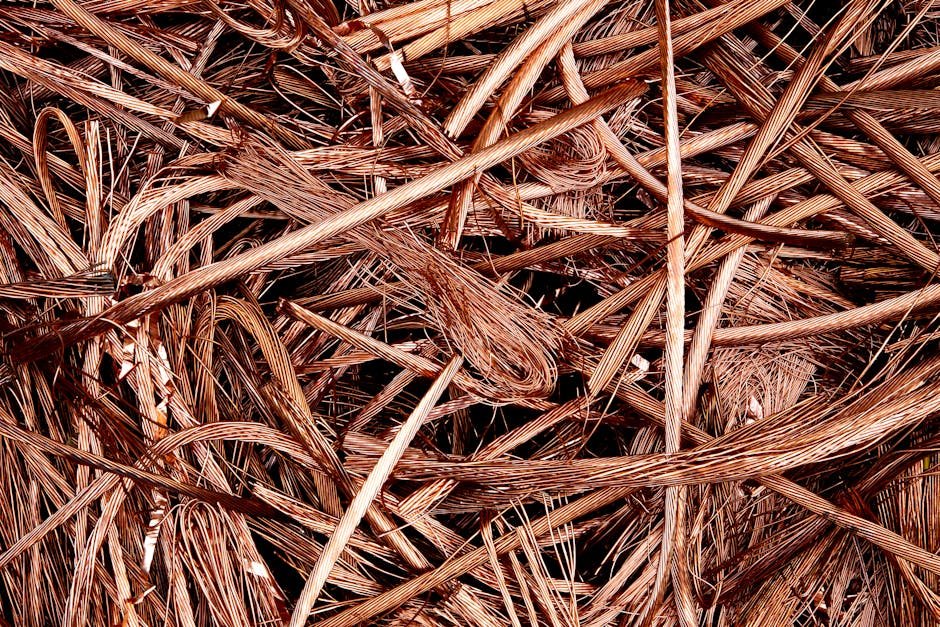

Navigating the market for scrap copper Sydney requires a deep understanding of how global commodity trends intersect with local industrial practices. As Australia’s largest economic hub, Sydney generates a vast volume of non-ferrous waste, making it a critical node in the national recycling infrastructure. Whether you are a professional electrician, a demolition contractor, or a homeowner clearing out renovations, understanding the nuances of copper grades and the local market is essential to maximizing the value of your scrap.
Understanding Copper Grades: What Determines Your Payout?
Not all copper is created equal. To get the best return, you must be able to distinguish between the various classifications used by recyclers. The purity of the metal is the primary determinant of the copper price per kg. When you bring your materials to a yard for scrap copper Sydney, the grader will inspect your haul based on the following industry-standard categories:
- Bare Bright Copper: This is the gold standard of the industry. It consists of unalloyed, uncoated, and uninsulated copper wire, typically 16 gauge or thicker. It must be free of oxidation, paint, or solder to qualify for the highest price tier.
- Number 1 Copper: This grade includes clean, unalloyed copper wire, pipe, or tubing that is free of fittings, insulation, and excessive oxidation. It is slightly less pure than bare bright but still commands a premium.
- Number 2 Copper: This category is broader and includes copper that has some impurities. This might be copper wire with minor oxidation, or pipe that has solder joints, brass fittings, or paint. Because it requires more processing to refine, the payout is lower than Number 1.
- Insulated Copper Wire: This is copper wire still encased in plastic or rubber coating. The value is determined by the “recovery rate”—the percentage of copper weight versus the weight of the insulation. High-grade data cables or heavy-duty power cables often fetch better prices than thin, low-yield wiring.
For those interested in how these categories are managed at scale, the Copper Scrap Group provides ongoing insights into how different grades are aggregated and traded across the Australian market.
The Copper Recycling Process: From Scrap to Commodity
The journey of your scrap metal doesn’t end at the weighbridge. Once you sell your materials, the recycling process begins, transforming discarded items into high-quality raw materials ready for manufacturing. Copper is unique because it is 100% recyclable without any loss of quality, meaning a piece of copper pipe recycled today could be part of a new electrical component or plumbing system in a matter of months.
First, the scrap is sorted and graded. Advanced facilities use X-ray fluorescence (XRF) analyzers to determine the exact chemical composition of the metal. Next, the material is shredded or granulated to remove contaminants like plastic insulation or steel attachments. For scrap copper Sydney, this is often done using high-capacity granulators that separate the copper granules from the plastic “fluff” using air density tables. Finally, the processed copper is melted in a furnace, cast into ingots or billets, and shipped to manufacturers to be drawn into new wire or extruded into pipe.
This closed-loop system is the backbone of the modern scrap industry. By utilizing platforms like Scrap Trade, both individual sellers and commercial entities can stay informed on how these processes impact the market value of their materials. Furthermore, organizations like Scrap Trade Australia work to streamline the logistics of moving these materials from the job site to the refinery.
Environmental Benefits of Copper Recycling
Recycling copper is one of the most effective ways to reduce the environmental footprint of the construction and manufacturing industries. Mining virgin copper is an energy-intensive and ecologically disruptive process. It requires massive open-pit mines, significant water consumption, and the processing of low-grade ore, which generates substantial tailings and carbon emissions.
In contrast, recycling existing copper consumes up to 85% less energy than producing copper from raw ore. By choosing to recycle your scrap copper, you are effectively preventing the need for new mining operations and preserving natural resources. In New South Wales, where sustainability mandates are becoming increasingly strict, recycling is not just a financial decision—it is a civic responsibility. The recovery of copper supports a circular economy, ensuring that the metal remains in use for generations, rather than ending up in a landfill where it would eventually leach into the soil.
How to Get the Best Scrap Copper Prices Sydney
To maximize your returns, timing and preparation are everything. The scrap copper price sydney is highly volatile, influenced by the London Metal Exchange (LME), currency fluctuations (AUD vs. USD), and global demand from manufacturing hubs like China. To stay ahead, you should regularly check current market trends.
Practical tips for sellers include:
- Clean your scrap: Removing steel fittings, plastic insulation, and paint can move your material from a lower grade to a higher grade, significantly increasing your payout.
- Sort before you arrive: Yards appreciate customers who arrive with their scrap already separated. This speeds up the weighing process and ensures you are paid the correct rate for each grade.
- Monitor the market: Use online tools to track scrap copper prices sydney so you know when it is the best time to sell.
- Build relationships: If you are a regular supplier, such as an electrician or plumber, talk to your local yard about volume pricing.
For those looking for real-time data, you can search for Scrap Copper Prices Near Me to find local yards that offer competitive rates based on daily market movements. Keeping an eye on the scrap copper price sydney trends will help you decide whether to hold onto your stock or sell immediately.
Safety and Compliance in the NSW Scrap Industry
The scrap metal industry in New South Wales is strictly regulated to prevent the trade of stolen goods and ensure environmental safety. When selling metal, always ensure you are dealing with a licensed facility. You will typically be required to provide valid identification, such as a driver’s license, to comply with the Scrap Metal Industry Act 2016. This regulation is designed to improve the integrity of the industry and protect legitimate traders.
Additionally, safety is paramount when handling scrap. Copper wire and pipe can have sharp edges, and industrial sites often contain hazardous materials. Always wear appropriate Personal Protective Equipment (PPE), including heavy-duty gloves and steel-toe boots, when handling or transporting heavy loads of metal.
The Future of Copper and Circularity
As the world transitions to renewable energy, the demand for copper is projected to skyrocket. Copper is essential for electric vehicles (EVs), wind turbines, and solar panels. This “green transition” places a premium on recycled copper, as it provides a readily available, low-carbon source of the metal. By participating in the recycling market, you are contributing to the infrastructure of the future.
Whether you are dealing with small quantities of copper wire from a home project or industrial-scale amounts of copper pipe from a commercial demolition, your contribution matters. Keeping informed through resources like the scrap copper prices sydney updates ensures you are part of an efficient and transparent market.
Conclusion: Taking Action
Recycling is the most logical step for anyone handling metal waste. By understanding the grades, monitoring market prices, and working with reputable, licensed scrap yards, you transform waste into a valuable resource. The scrap copper Sydney market is robust, and by following the practices outlined in this guide, you can ensure that you are getting the maximum value for your materials while supporting the environmental health of New South Wales. Remember to keep your materials clean, sorted, and ready for the scale, and stay informed on global market trends to optimize your returns.
Related: Scrap Copper
Frequently Asked Questions
What is the difference between bare bright and number 2 copper?
Bare bright copper is pure, uninsulated wire that is free from oxidation and coatings, fetching the highest price. Number 2 copper includes wire or pipe that has minor impurities, such as solder, light oxidation, or paint, which requires more processing.
How do I find the best scrap copper prices in Sydney?
You can find the best prices by comparing quotes from licensed local yards and monitoring the London Metal Exchange trends. Using online tracking tools for scrap copper prices Sydney will help you time your sales for maximum profit.
Do I need ID to sell scrap metal in NSW?
Yes, under the Scrap Metal Industry Act 2016, you are required to provide valid government-issued photo identification when selling scrap metal to a licensed dealer in New South Wales.
Why is copper recycling important for the environment?
Recycling copper consumes up to 85% less energy than mining and refining virgin ore. It reduces the need for destructive mining practices, lowers carbon emissions, and keeps valuable metal in the circular economy.