
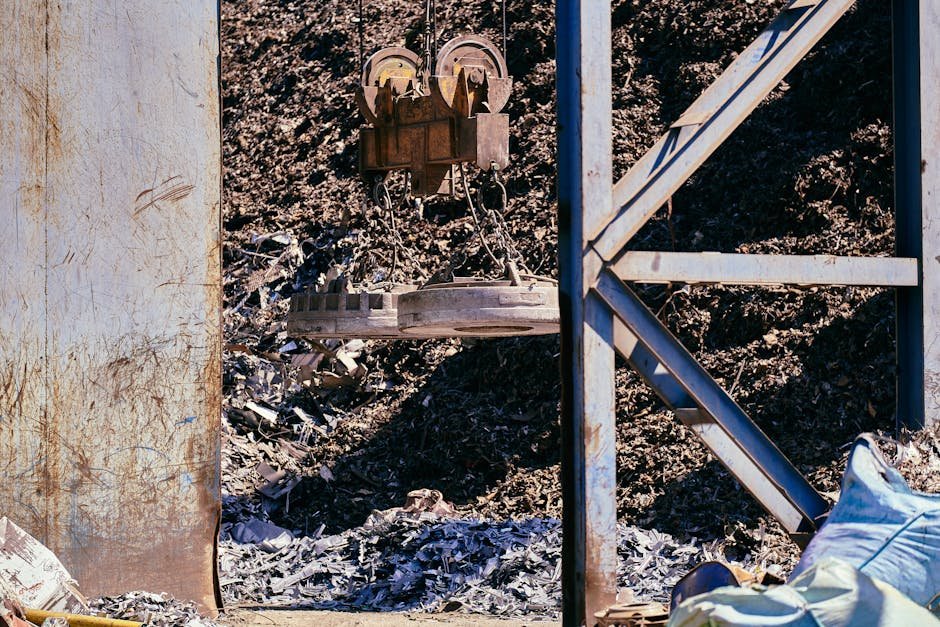

Navigating the landscape of north sydney steel recycling requires more than just a basic understanding of metal types; it demands an appreciation for the circular economy that drives the Greater Sydney industrial sector. Whether you are a commercial contractor clearing a site or a homeowner managing a renovation, understanding the nuances of scrap steel management is essential for environmental compliance and financial gain. As a hub for construction and development, New South Wales (NSW) relies heavily on the efficient recovery of materials to fuel its infrastructure projects. By participating in the local scrap economy, you are not just clearing space—you are contributing to a vital supply chain that powers sustainable manufacturing.
Understanding the Ferrous Metal Market in New South Wales
In the world of metal recovery, understanding the difference between metal types is the first step toward profitability. Steel is a ferrous metal, meaning it contains iron and is magnetic, which distinguishes it from non-ferrous metals like copper or aluminium. When you engage in north sydney steel recycling, you are primarily dealing with mild steel, structural beams, and various forms of sheet metal. These materials are the backbone of the construction industry in NSW.
The global demand for recycled steel is immense. Because steel can be recycled infinitely without losing its structural integrity, it is a highly prized commodity. When you look at the steel price per tonne, you are looking at a figure influenced by global supply chains, energy costs, and the local demand within Greater Sydney. To understand the broader impact of these activities, it is worth reading about Steel Recycling How The Global Scrap Steel Industry Powers Sustainable Manufacturing. This provides the necessary context for why your scrap contributes to a greener future.
Maximizing Profitability: How to Prepare Your Steel
Profitability in the scrap trade is rarely about volume alone; it is about preparation and grade separation. If you are looking to maximize your returns, you must treat your scrap like a product. Start by separating your ferrous metals from your non-ferrous materials. While steel is valuable, mixing it with high-value metals like copper can actually lower your overall payout due to contamination costs.
For those looking to diversify their scrap portfolio, learning more about copper recycling north sydney is a smart move. High-quality, clean steel—free of plastic, wood, or heavy rust—is always preferred by processors. If you are dealing with mixed metals, be sure to consult our guide on Stainless Steel Recycling How To Sell Scrap For Maximum Profit. Proper preparation ensures that you receive the highest possible steel price per tonne at the weighbridge.
The Role of Professional Steel Recyclers in North Sydney
Choosing the right partner is critical. Professional steel recyclers north sydney provide the infrastructure necessary to process large volumes of material efficiently. When selecting a facility, look for those that offer transparent pricing, accurate weighing, and adherence to NSW environmental regulations. A reputable recycler will not only provide a fair market rate but will also ensure that the hazardous components of scrap—such as oils or chemicals attached to machinery—are handled safely.
By working with established steel recyclers north sydney, you contribute to a larger Recycling Community that values transparency and sustainability. These facilities are the gatekeepers of the circular economy, ensuring that thousands of tonnes of metal are diverted from landfills every year. Whether you are a small business or a large demolition contractor, professional facilities offer the logistics support, such as bin hire and collection services, to make the process seamless.
Environmental Impact and Sustainable Manufacturing
The environmental case for north sydney steel recycling is undeniable. Producing steel from recycled scrap requires significantly less energy than producing it from raw iron ore. This energy saving translates into a massive reduction in greenhouse gas emissions. In the context of New South Wales, where sustainability targets are increasingly stringent, every tonne of steel recovered is a win for the state’s carbon reduction goals.
Furthermore, the scrap industry reduces the need for destructive mining practices. By repurposing existing sheet metal and structural steel, we preserve natural landscapes and reduce the ecological footprint of our urban development. This is why the industry is so closely monitored and supported by government initiatives. For those interested in the technological advancements in this field, visit Scrap Trade for the latest industry insights and market trends.
Logistics and Handling: Best Practices for Scrap Steel
Handling heavy steel requires safety and foresight. Whether you are transporting mild steel off-cuts or heavy structural beams, safety is paramount. Always use appropriate personal protective equipment (PPE) and ensure your load is secured according to NSW transport regulations. When planning your trip to a recycling facility, call ahead to confirm their current capacity and any specific requirements for unloading.
For businesses generating consistent scrap, consider implementing a dedicated scrap management plan. This involves designating specific areas for different grades of metal, which prevents cross-contamination and makes the sorting process faster. For more resources on managing your industrial waste, check out the expert tools available at Scrap Trade Australia. Having a structured approach to your scrap accumulation will pay dividends in time saved and higher payouts at the scales.
Future Trends in the Australian Scrap Industry
The future of north sydney steel recycling is digital. We are seeing a shift toward real-time pricing, mobile-enabled weighing, and blockchain-verified sustainability reporting. As the industry moves toward greater transparency, sellers will have more access to data than ever before. Understanding the steel price per tonne will become easier as platforms provide live market updates, allowing you to choose the perfect time to sell your inventory.
Additionally, the integration of AI in sorting technology is allowing recyclers to process mixed loads with unprecedented accuracy. This means that even smaller scrap items that were previously considered waste are now being recovered. This technological leap ensures that the scrap industry remains a cornerstone of the Australian economy, providing jobs, reducing waste, and supporting the manufacturing sector with high-quality, recycled raw materials.
Frequently Asked Questions
To provide further clarity, we have compiled the most common inquiries regarding the scrap metal industry in the region.
- How is the price of steel determined? The price is determined by global market demand, the cost of raw materials like iron ore and coking coal, and local logistics costs within Australia. Prices fluctuate daily based on these economic indicators.
- What is the difference between ferrous and non-ferrous scrap? Ferrous metals, such as steel and iron, are magnetic and are the most commonly recycled materials. Non-ferrous metals, like copper, brass, and aluminium, are non-magnetic and generally command a higher price per kilogram.
- Can I bring mixed scrap to a recycler? While most recyclers accept mixed loads, you will receive a higher price if you pre-sort your materials. Mixing high-value metals with common steel often results in the entire load being priced at the lower steel rate.
- Why is it important to recycle sheet metal? Sheet metal is highly versatile and can be melted down and reformed into countless new products, from automotive parts to construction beams. Recycling it saves significant energy compared to producing new steel from scratch.
Conclusion
Participating in north sydney steel recycling is an act of economic and environmental stewardship. By understanding the grades of steel, preparing your materials correctly, and partnering with the right recycling facilities, you maximize your financial returns while supporting a sustainable future for New South Wales. The scrap industry is more than just a place to drop off waste; it is a vital part of the infrastructure that keeps our cities growing and our manufacturing sector competitive. Whether you are dealing with mild steel, structural components, or sheet metal, your contribution to the recycling loop is both valued and necessary. Stay informed, stay safe, and continue to leverage the professional resources available to ensure the best outcomes for your scrap metal assets.
Frequently Asked Questions
How is the price of steel determined?
The price is determined by global market demand, the cost of raw materials like iron ore and coking coal, and local logistics costs within Australia. Prices fluctuate daily based on these economic indicators.
What is the difference between ferrous and non-ferrous scrap?
Ferrous metals, such as steel and iron, are magnetic and are the most commonly recycled materials. Non-ferrous metals, like copper, brass, and aluminium, are non-magnetic and generally command a higher price per kilogram.
Can I bring mixed scrap to a recycler?
While most recyclers accept mixed loads, you will receive a higher price if you pre-sort your materials. Mixing high-value metals with common steel often results in the entire load being priced at the lower steel rate.
Why is it important to recycle sheet metal?
Sheet metal is highly versatile and can be melted down and reformed into countless new products, from automotive parts to construction beams. Recycling it saves significant energy compared to producing new steel from scratch.