
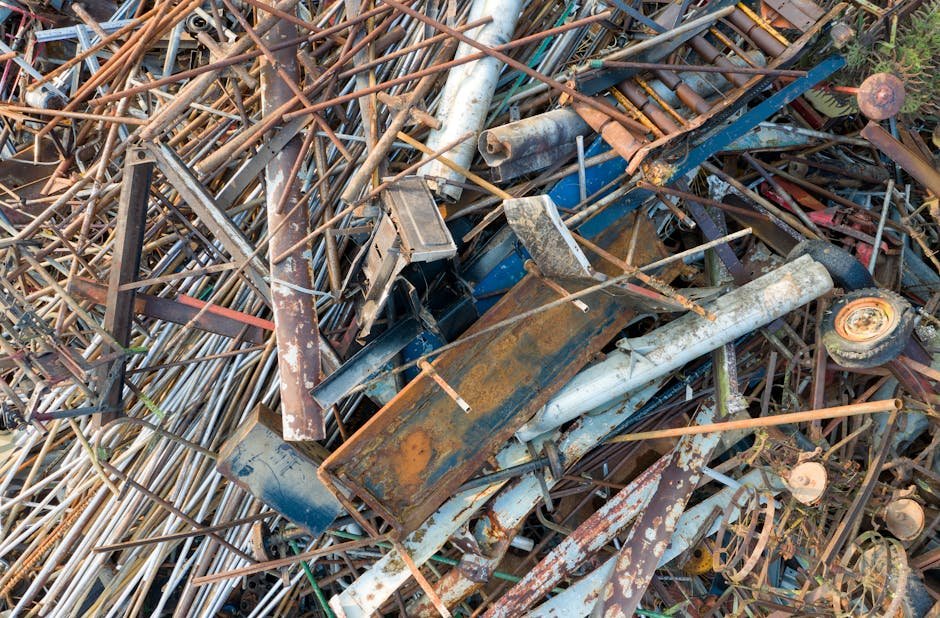

Navigating the complex landscape of the price of scrap metal requires a solid understanding of how global markets influence local Australian recycling yards. Whether you are a tradesperson, a demolition contractor, or a household recycler, knowing how to interpret the price of scrap metal is essential for maximizing the value of your materials. Because the market is dynamic, staying informed about the current price of scrap metal helps you decide the optimal time to sell your inventory.
How Market Rates and Commodity Prices Are Determined
The Australian scrap industry is inextricably linked to global manufacturing demand. When you look up the scrap metal price, you are essentially looking at a local reflection of the London Metal Exchange (LME). The LME sets the benchmark for non-ferrous metals like copper, aluminium, and nickel. In Australia, these global rates are adjusted for currency fluctuations (AUD vs. USD), shipping costs, and domestic processing overheads.
Market rates are not static; they shift based on industrial output in manufacturing hubs like China, India, and Southeast Asia. For instance, if there is a surge in global infrastructure projects, the demand for steel and copper spikes, driving up the price per tonne. Conversely, economic slowdowns can lead to a surplus of recycled material, causing prices to dip. For those looking to get the best deal, it is vital to research Scrap Metal Prices regularly to understand the baseline for your specific region.
Furthermore, local competition plays a role. Scrap yards in major metropolitan areas like Sydney, Melbourne, or Brisbane may offer different rates compared to regional centres due to logistical costs and the proximity to export ports. Understanding these variables allows you to better negotiate your scrap metal trading services when you are ready to offload your haul.
Categorizing Scrap: Understanding Metal Grades
Not all scrap is created equal. The value of your material is heavily dependent on its grade, which refers to the purity and condition of the metal. Scrapyards categorize metals into two main groups: ferrous and non-ferrous.
- Non-Ferrous Metals: These are the high-value materials. They do not contain iron and are more resistant to corrosion. Examples include copper, brass, aluminium, lead, and stainless steel. The scrap copper price, for example, is often significantly higher than other metals due to its high conductivity and infinite recyclability.
- Ferrous Metals: These contain iron and are magnetic. Common examples include mild steel, carbon steel, and cast iron. While the price per kg for ferrous metals is lower than non-ferrous, they are traded in much higher volumes.
When preparing your scrap, cleanliness is the most significant factor in determining the final price per kg. Contaminated metal—such as copper pipes with plastic insulation still attached or aluminium mixed with steel bolts—will be downgraded by the yard, resulting in a lower payout. Always aim to strip insulation and separate your metals by type to ensure you receive the highest grade classification.
Factors Influencing the Price Per Tonne and Kg
Many factors influence the final quote you receive at the weighbridge. Beyond the global commodity index, your local yard considers the following:
1. Volume and Weight: Most yards offer better pricing for larger quantities. If you are a business generating consistent waste, you should inquire about commercial rates. Selling in bulk often moves you into a higher price bracket per tonne.
2. Processing Costs: Metal that requires significant labour to process—such as separating complex alloys or removing hazardous materials—will fetch a lower price. The easier it is for the recycler to prepare the metal for the furnace, the more they can pay you.
3. Logistics and Transport: If you are selling scrap from a remote location, the cost of transport may be deducted from your total. Utilizing a service that provides Scrap Metal Recycling Near Me can help minimize these overheads.
4. Economic Conditions: Inflation, energy costs, and even geopolitical stability affect the cost of energy-intensive recycling processes. When energy prices rise, the cost to melt down and refine scrap increases, which can put downward pressure on the prices paid to the public.
The Environmental and Economic Impact of Recycling
Recycling metal is one of the most effective ways to reduce industrial carbon footprints. Producing new metal from virgin ore (mining) is an incredibly energy-intensive process. For example, recycling aluminium saves approximately 95% of the energy required to produce it from raw bauxite ore.
By participating in the scrap market, you are supporting a circular economy. Every kilogram of metal diverted from a landfill is a kilogram that doesn’t require further mining. This preservation of natural resources is critical for Australia’s long-term sustainability. Furthermore, the Scrap Trade platform facilitates the connection between those who have scrap and those who can process it, ensuring that materials are handled safely and efficiently.
From an economic standpoint, the scrap metal industry provides thousands of jobs across Australia, from collection and sorting to smelting and global export. When you choose to recycle your metal rather than binning it, you are contributing to a robust domestic industry that turns waste into valuable raw material for the next generation of products.
Practical Tips for Selling Your Scrap
If you are planning to visit a yard, preparation is key. First, use a reliable online resource to check the current market rate. While these rates are indicative, they provide a baseline for your expectations. Second, sort your scrap before you arrive. Mixing your metals makes it difficult for the yard to accurately weigh and grade your items, which can lead to a lower overall payment.
If you are a contractor or have a large amount of material, look for a partner that offers reliable collection services. Finding a reputable place to Sell Scrap Metal Near Me In 2026 is becoming easier with digital tools that allow you to track market fluctuations in real-time. Always ensure you are dealing with a licensed facility that complies with environmental regulations, as this ensures your material is being processed ethically.
Keep an eye on the calendar. Seasonal demand can also influence prices. For example, construction activity often slows during the winter months, which may slightly reduce the demand for certain grades of scrap. Conversely, peak construction periods often see a higher demand for structural steel and copper cabling.
The Future of the Scrap Metal Market
The industry is currently undergoing a digital transformation. We are moving away from opaque pricing models toward a more transparent, data-driven environment. As global standards for carbon reporting become stricter, the demand for recycled metal will only increase. Companies are under pressure to use ‘green’ materials in their manufacturing processes, and recycled metal is the primary solution to this requirement.
For the average seller, this means that the value of scrap is likely to remain a significant incentive. As we look toward 2026 and beyond, the integration of blockchain and real-time tracking will likely make the trading of scrap metal even more efficient. By staying educated on how these markets work, you position yourself to benefit from these shifts.
Conclusion: Maximizing Your Returns
Understanding the nuances of the scrap metal market is more than just about making a profit; it is about participating in a global effort to preserve resources and reduce waste. By keeping track of the current market rate, separating your metals by grade, and choosing the right recycling partner, you can ensure you receive the best possible value for your materials.
Remember that the scrap industry is a partnership. By providing clean, sorted, and high-quality material, you assist recyclers in their operations, which in turn leads to better pricing for you. Whether you are clearing out a shed or managing a large-scale industrial site, the principles remain the same: knowledge is power, and proper preparation is the key to a successful transaction.
Continue to monitor the market, keep your materials clean, and utilize professional platforms to stay updated on the latest industry shifts. With the right approach, you can turn your scrap metal into a reliable source of income while supporting a sustainable future for Australia.
Frequently Asked Questions
How often do scrap metal prices change?
Scrap metal prices fluctuate daily based on global commodity market movements, currency exchange rates, and local supply and demand dynamics.
What is the most valuable type of scrap metal?
Non-ferrous metals like copper, brass, and high-grade aluminium are generally the most valuable due to their high conductivity and the energy savings associated with recycling them.
Does the condition of my scrap metal affect the price?
Yes, cleanliness is critical. Metal that is free of contaminants, insulation, or attachments will always fetch a higher price per kg than dirty or mixed scrap.
Why should I sort my scrap before going to the yard?
Sorting your scrap ensures that you are paid the correct rate for each metal grade. If you bring mixed loads, yards may offer a lower ‘mixed’ price to account for the labor required to separate it.