

Navigating the landscape of aluminium recycling North Sydney requires a blend of industry knowledge, logistical planning, and an understanding of current market dynamics. As the Greater Sydney region continues to expand, the demand for sustainable waste management solutions has never been higher. Whether you are a construction firm managing demolition waste or an individual looking to clear out a workshop, understanding the nuances of the scrap metal market is essential for environmental compliance and financial gain.
Understanding the Aluminium Scrap Market in New South Wales
The scrap metal industry in New South Wales is a critical pillar of the circular economy. Aluminium is a unique material because it can be recycled infinitely without losing its inherent properties. In North Sydney, the volume of aluminium scrap generated from commercial construction and residential renovations is substantial. Understanding the difference between Scrap Trading Vs Recycling Business is the first step for anyone looking to enter this space professionally or as a serious collector.
When we talk about the aluminium price, we are looking at a commodity that fluctuates based on global demand, energy costs, and the purity of the scrap. High-grade aluminium, such as clean aluminium extrusion, fetches a higher price than dirty or contaminated scrap. To get the best value, collectors must focus on separation at the source. This means keeping aluminium cans separate from heavy-duty industrial frames or wiring. By maintaining high standards of sorting, you contribute to a more efficient supply chain, which benefits the entire Recycling Community.
The Process: From Collection to Secondary Aluminium
The journey of a piece of scrap metal from a job site in North Sydney to a finished product is a sophisticated industrial process. Once collected, the metal undergoes a rigorous sorting phase. Advanced facilities use x-ray fluorescence (XRF) and density separation to distinguish between various alloys. This is vital because different grades of aluminium have specific chemical compositions that must be maintained to ensure the quality of the final ingot.
After sorting, the metal is shredded to remove coatings, paints, or non-metallic attachments. It is then melted in high-temperature furnaces. The molten metal is refined and cast into billets or ingots, which are then sold back to manufacturers to create everything from new window frames to beverage packaging. If you are looking for local facilities, searching for Recycling Community resources or using tools to locate Scrap Metal Recycling Near Me will provide you with the most up-to-date information on drop-off points and collection services.
Maximizing Returns: Tips for Aluminium Extrusion and Cans
To maximize your return on investment, you must treat your scrap like a valuable resource. Aluminium extrusion, often found in window frames, doors, and structural components, is highly sought after by recyclers. To ensure you receive the top-tier aluminium recycling North Sydney rate, remove all plastic thermal breaks, rubber seals, and steel screws before taking the material to a yard. The presence of these contaminants downgrades the scrap and reduces the price per kilogram.
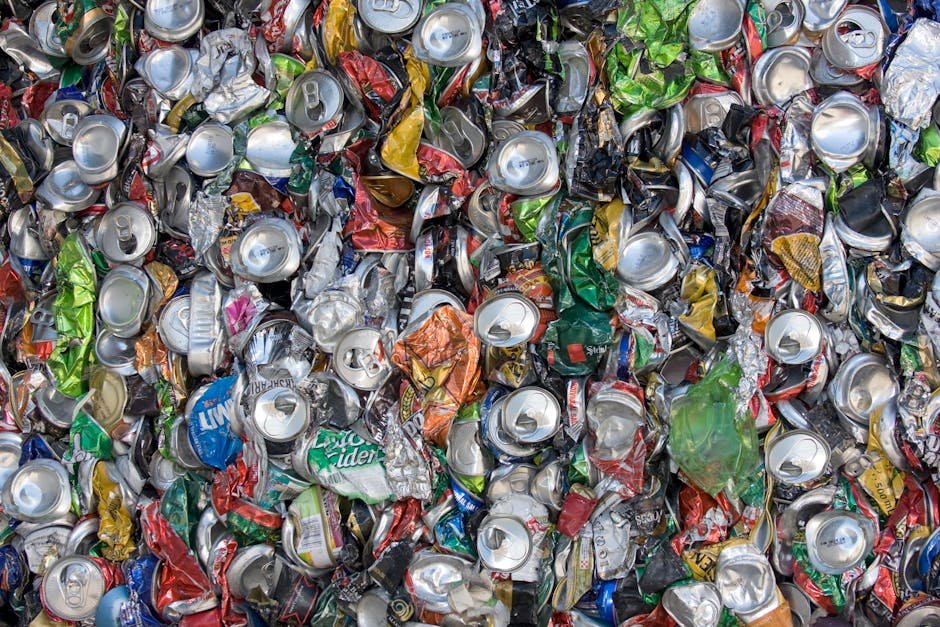
Aluminium cans, while lower in individual weight, represent a massive volume of the recycling stream. In New South Wales, the Container Deposit Scheme has changed the way people handle beverage containers, but industrial quantities of aluminium cans still move through traditional scrap channels. Keeping these clean, dry, and free of liquid residue is essential. For those interested in the broader scope of metal recovery, you might also be interested in lead recycling north sydney, as many construction sites generate a mix of non-ferrous materials that can be processed simultaneously.
Choosing the Right Partner in North Sydney
Not all scrap yards are created equal. When selecting a partner for your recycling needs, look for transparency in weighing and pricing. A reputable buyer will provide clear documentation regarding the weight and grade of the material. Furthermore, environmental compliance is non-negotiable. Ensure that the facility you choose operates under the strict guidelines set by the New South Wales Environment Protection Authority (EPA). By partnering with professional north sydney aluminium recyclers, you ensure that your materials are handled in a way that minimizes environmental impact.
For those managing large-scale projects, logistics are key. Does the recycler offer bin services? Can they provide a certificate of destruction for proprietary materials? These are the questions that differentiate a basic scrap yard from a professional recycling partner. You can find more information on industry standards at the official scrap trade portal, which offers comprehensive resources for both businesses and individual traders. Additionally, exploring the broader ecosystem at the main platform hub can help you stay informed about market trends across Australia.
Environmental Impact and the Circular Economy
The environmental case for aluminium recycling North Sydney is overwhelming. Producing primary aluminium from bauxite ore is an energy-intensive process that requires massive amounts of electricity. In contrast, recycling aluminium requires roughly 95% less energy than producing it from scratch. By diverting scrap from landfills in Greater Sydney, we significantly reduce greenhouse gas emissions and conserve natural resources.
Furthermore, the circular economy model encourages us to view scrap not as waste, but as a secondary raw material. This shift in perspective is what drives innovation in the industry. As we move toward a more sustainable future, the role of the individual and the business in the recycling chain becomes increasingly important. Every kilogram of aluminium diverted from a landfill is a win for the local environment and the global climate.
Safety and Handling Regulations
Safety is the most important aspect of metal recycling. Aluminium, while generally safe, can be sharp when sheared or cut. Always wear appropriate personal protective equipment (PPE), including cut-resistant gloves and steel-toed boots, when handling scrap. If you are dealing with large structural components, ensure that you have the proper lifting equipment to prevent injury.
In addition to physical safety, be mindful of the legal requirements for transporting scrap metal. New South Wales has specific regulations regarding the movement of trade waste. Always verify that your scrap metal partner is licensed and that you are complying with all local council and state-level regulations. This due diligence protects you from potential fines and ensures that your operations remain sustainable in the long term.
The Future of Aluminium Recycling
Technology is rapidly changing the recycling industry. From automated sorting robots to AI-driven price prediction models, the future of aluminium recycling North Sydney is bright. As we continue to refine our processes, we can expect higher recovery rates and even more efficient energy usage. The integration of digital platforms into the scrap trade is making it easier than ever for sellers to connect with buyers, ensuring that the market remains competitive and transparent.
Whether you are a professional contractor or a residential recycler, your participation in the circular economy matters. By staying informed, sorting your scrap properly, and choosing the right partners, you play a vital role in the sustainability of the Greater Sydney region. Keep an eye on evolving industry standards and continue to advocate for better recycling infrastructure in your local area.
Conclusion
Recycling aluminium is more than just a way to make extra money; it is a fundamental component of a modern, sustainable society. By understanding the market, preparing your materials correctly, and working with reputable north sydney aluminium recyclers, you can ensure that your scrap metal contributes to a cleaner, more efficient future for New South Wales. Remember to always prioritize safety and environmental compliance as you engage with the recycling industry. For further reading on the differences between trading and recycling, be sure to review our detailed guide on Scrap Trading Vs Recycling Business, and always utilize local resources to find the best Scrap Metal Recycling Near Me. Together, we can make the circular economy a reality.
Related: Scrap Trading Vs Recycling Business
Related: north sydney aluminium recyclers
Frequently Asked Questions
What is the best way to prepare aluminium scrap for recycling?
To get the best price, remove all contaminants such as plastic, rubber, steel screws, and paint. Sorting your aluminium into specific grades like extrusion, cast, or cans will also significantly increase your payout.
Why is the aluminium price constantly changing?
The price of aluminium is a global commodity influenced by energy costs, manufacturing demand, and the availability of primary bauxite. Local prices in North Sydney reflect these global trends adjusted for transport and processing costs.
Can I recycle aluminium cans with other scrap metal?
While technically possible, it is highly recommended to keep aluminium cans separate from industrial scrap. Cans are usually processed in a different stream due to their thin gauge and high volume.
Where can I find reliable aluminium recycling North Sydney services?
You can find reputable recyclers by searching for licensed facilities in the Greater Sydney area that are registered with the NSW EPA. Using established platforms like our directory helps you identify verified partners who offer transparent pricing.