
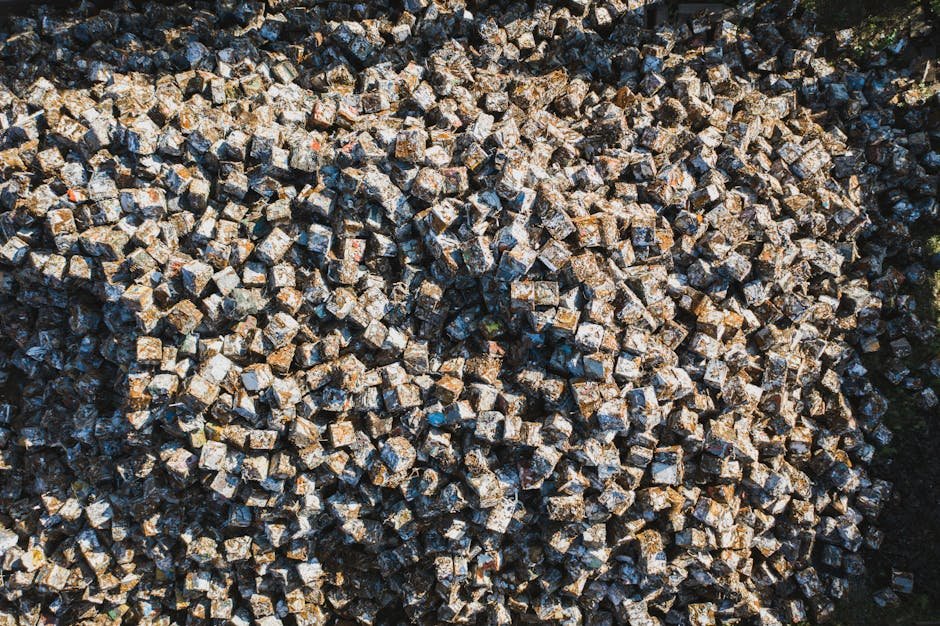

Understanding scrap lead prices Sydney is essential for industrial contractors, automotive workshops, and individual recyclers looking to maximize their returns on non-ferrous metal waste. As a dense, highly recyclable material, lead remains a cornerstone of the circular economy in New South Wales. Whether you are clearing out an old workshop or managing industrial battery waste, knowing the current market value per kg ensures you receive a fair payout for your scrap.
Because lead is a globally traded commodity, its value is subject to constant shifts. To stay ahead of these changes, it is vital to monitor Scrap Prices regularly. Unlike gold or silver, lead pricing is heavily influenced by industrial demand, particularly from the automotive and renewable energy storage sectors. In Greater Sydney, local recyclers adjust their buy rates based on the global market rate, shipping logistics, and the specific grade of the lead being presented.
How Scrap Lead Prices Sydney Are Determined
The pricing mechanism for lead is not arbitrary; it is a complex calculation tied to international benchmarks. The primary driver is the London Metal Exchange (LME), where lead is traded in real-time. When you search for scrap lead prices Sydney, you are essentially looking at a local reflection of the global LME price, adjusted for currency fluctuations (AUD/USD), local processing costs, and the current supply-demand balance in New South Wales.
Several factors influence the final price per tonne or price per kg you receive at the weighbridge:
- LME Spot Price: The baseline cost of lead on the global market.
- Purity and Grade: Pure lead (such as pipe or flashing) commands a higher price than contaminated lead (such as lead-acid batteries with plastic casings).
- Transportation Costs: The distance from your site to the refinery or processing plant in Greater Sydney affects the net payout.
- Volume: Large industrial quantities often qualify for premium pricing compared to small residential drop-offs.
- Market Sentiment: Economic indicators regarding the automotive manufacturing industry directly correlate with lead demand.
For those interested in how these figures compare to other metals, our resource on Scrap Metal Prices provides a broader view of the non-ferrous market. If you are looking for specific regional data, checking scrap metal prices sydney can provide a snapshot of what local yards are currently offering.
Identifying and Grading Scrap Lead
Not all lead is created equal. To get the best scrap lead prices Sydney, you must understand how to sort your material. Recyclers categorize lead based on its source and level of contamination. The most common grades include:
- Soft Lead: This is the purest form, often found in plumbing pipes, roofing flashing, and old cable sheathing. It is highly malleable and fetches the highest price per kg.
- Hard/Antimonial Lead: Found in wheel weights and certain types of piping. It contains small amounts of antimony to increase hardness.
- Lead-Acid Batteries: These are the most common source of scrap lead. They contain lead plates and sulfuric acid. Because they require specialized handling and environmental safety protocols, the price per kg is usually lower than clean, soft lead.
When preparing your scrap, remove as much foreign material as possible. Steel attachments, plastic insulation, or concrete debris will lower the grade of your load, leading to a lower payout. If you are dealing with other metals, you might also be interested in comparing these rates against scrap copper prices sydney to ensure you are segregating your metals for maximum profit.
The Recycling Process: From Waste to Resource
The recycling of lead is one of the most successful environmental initiatives in the metal industry. Lead is infinitely recyclable, meaning it can be melted down and repurposed without losing its chemical properties. In the context of Sydney’s recycling infrastructure, the process typically follows these steps:
- Collection and Sorting: Scrap is collected from various sources across NSW and brought to a facility. Here, it is sorted by grade.
- Crushing and Separation: For batteries, the units are crushed in a controlled environment. The plastic casings are separated for plastic recycling, and the acid is neutralized or recovered.
- Smelting: The lead components are placed in a furnace and melted at high temperatures. Impurities, known as ‘dross,’ are skimmed off the top.
- Refining: The molten lead is refined to reach the required purity levels.
- Ingot Casting: The purified lead is poured into molds to create ingots, which are then sold back to manufacturers to create new batteries, radiation shielding, or construction materials.
By choosing to recycle through a professional scrap metal trading platform, you ensure that the lead is handled according to strict Australian environmental standards, preventing toxic heavy metals from leaching into the soil or water table.
Environmental Benefits of Lead Recycling
Recycling lead is not just a financial decision; it is an environmental imperative. Lead is a toxic substance that poses significant risks to human health and the ecosystem if disposed of improperly. By participating in the recycling economy, you contribute to several critical benefits:
- Resource Conservation: Mining lead is energy-intensive and environmentally damaging. Recycling existing lead requires significantly less energy than extracting virgin ore.
- Waste Reduction: Keeping lead out of landfills prevents the contamination of groundwater. Lead-acid batteries, in particular, are classified as hazardous waste and must be diverted from standard waste streams.
- Circular Economy: By keeping materials in use, we reduce the need for raw material extraction, supporting a more sustainable industrial future for New South Wales.
For businesses looking to integrate sustainable practices, partnering with a reputable recycler like Scrap Trade Australia ensures your waste management aligns with corporate social responsibility goals.
How to Find the Best Rates in Greater Sydney
If you are searching for “Scrap Metal Prices Near Me,” you are likely looking for convenience and competitive pricing. To maximize your return, consider these expert tips:
- Call Ahead: Always call your local yard before driving over. Ask for the current price per kg for the specific grade of lead you have.
- Sort Before You Arrive: Yards pay more for sorted, clean material. Mixing brass, steel, and lead will result in a ‘mixed’ price, which is almost always lower.
- Check the Market: Keep an eye on the LME trends. If the market is trending upward, it may be worth holding onto your scrap for a few days if you have a significant volume.
- Build a Relationship: If you are a contractor or a business generating regular scrap, speak to the yard manager about setting up a commercial account. This can often lead to better pricing and priority service.
The metal recycling industry in Sydney is highly competitive, which works in your favor. By understanding the market and presenting clean, sorted material, you can ensure that you are getting the best possible value for your scrap lead.
Future Outlook for Lead Prices
The demand for lead remains robust, primarily driven by the automotive industry’s need for starting, lighting, and ignition (SLI) batteries. While lithium-ion technology is growing, lead-acid batteries remain the standard for internal combustion engines and as a cost-effective solution for large-scale energy storage in off-grid solar systems. As long as these industries exist, the demand for lead will continue to support stable market prices.
Furthermore, as Australia moves toward more stringent environmental regulations, the formal recycling sector is expected to grow. This formalization helps stabilize prices and ensures that hazardous materials are processed safely. Staying informed via reliable industry portals is the best way to navigate the fluctuations in the market.
Conclusion
Navigating the world of scrap lead recycling in Sydney requires a mix of market awareness and practical preparation. By understanding how scrap lead prices Sydney are calculated, sorting your materials correctly, and utilizing professional recycling services, you can turn your industrial or household waste into a valuable revenue stream while protecting the environment.
Whether you are a professional tradesperson or a homeowner, the key to success is staying informed and working with reputable recyclers. Keep track of current trends, prepare your scrap properly, and contribute to a cleaner, more sustainable future for New South Wales.
Frequently Asked Questions
What is the best way to identify if my scrap is lead?
Lead is a very heavy, soft, and dull grey metal. You can often scratch it easily with a fingernail or a knife, and it does not spark when hit with a grinder, unlike steel.
Can I mix lead with other metals for recycling?
It is highly recommended that you separate lead from other metals like copper, aluminum, or steel. Mixing metals will result in a lower ‘mixed scrap’ price, whereas clean, sorted lead fetches a higher premium.
Are lead-acid batteries dangerous to handle?
Yes, lead-acid batteries contain sulfuric acid and lead, both of which are hazardous. Always wear gloves and eye protection, keep the battery upright to prevent leaks, and transport it in a leak-proof container.
How often do scrap metal prices change?
Scrap metal prices fluctuate daily based on the London Metal Exchange (LME) and local market conditions. It is best to check current rates on the day you intend to sell your scrap.