
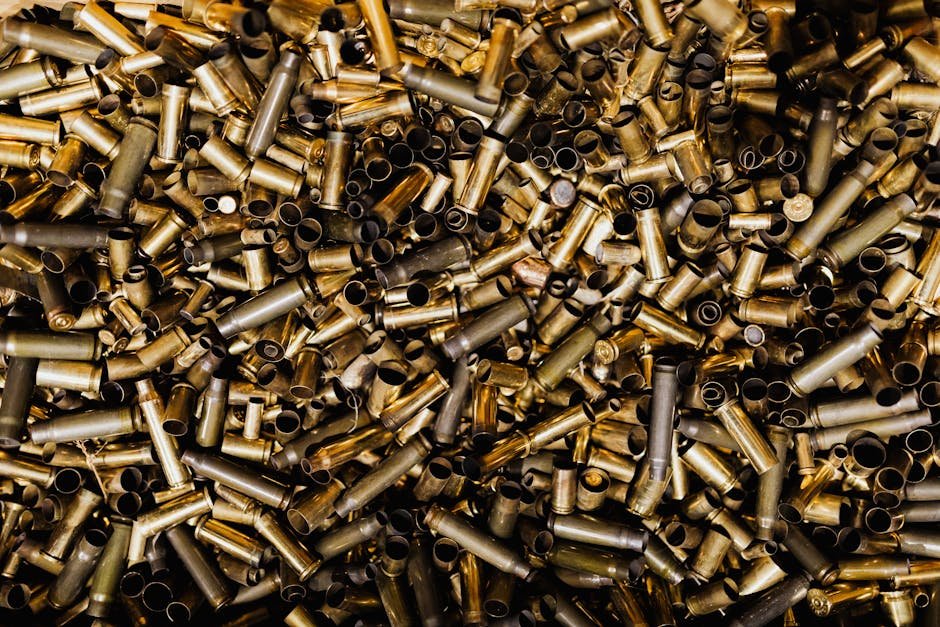

When searching for professional brass recyclers North Sydney, it is crucial to understand the lifecycle of the material you are handling. Whether you are a plumbing contractor clearing out a job site or a demolition expert managing large-scale infrastructure, knowing how to identify and process your scrap is the first step toward maximizing your return. Brass is a high-value copper-zinc alloy that remains one of the most sought-after materials in the circular economy due to its infinite recyclability without loss of structural integrity.
Understanding the Brass Recycling Process
The journey of brass from a discarded item to a new product is a sophisticated industrial process. Once materials like brass fittings or brass pipe reach a recycling centre, they undergo a rigorous sorting procedure. Not all brass is created equal; recyclers categorize scrap based on the ratio of copper to zinc. Yellow brass, for instance, is a common grade found in household and industrial hardware, characterized by its distinct golden hue. The process begins with X-ray fluorescence (XRF) analysis to ensure the alloy composition is accurate, preventing contamination from lead or other impurities.
After sorting, the metal is cleaned of any non-metallic attachments, such as plastic washers, rubber gaskets, or steel screws. This cleaning stage is vital because the presence of contaminants can significantly downgrade the value of the scrap. Once purified, the brass is shredded into smaller pieces to increase its surface area, making it easier to melt in high-temperature furnaces. The molten metal is then cast into ingots or billets, which are sold to manufacturers to create new plumbing components, musical instruments, or architectural hardware. If you are curious about current market valuations, it is helpful to check the 1 Kg Brass Price In Australia to ensure you are receiving a fair market rate for your material.
Drop-off vs. Pickup Service: Which is Right for You?
For those utilizing brass recyclers North Sydney, logistics play a major role in the profitability of your scrap collection. The choice between a drop off method and a professional pickup service depends largely on the volume and frequency of your scrap generation. A drop-off is ideal for smaller loads, such as a few buckets of fittings or short pipe segments. It allows for immediate weighing and payment, provided you have the vehicle capacity to transport the weight safely. Most facilities in the North Sydney region are equipped with industrial-grade scales that provide transparent, certified weight readings.
Conversely, for large-scale industrial operations, a dedicated pickup service is often the most efficient solution. If your site generates significant amounts of scrap metal, specialized recyclers can provide bins or skips, which they swap out on a scheduled basis. This removes the logistical burden from your team, allowing you to focus on your core business operations. Understanding How Recyclers Find Industrial Scrap Sellers can also provide insight into how these partnerships are formed to ensure a steady supply chain. Whether you are a small business or a large construction firm, choosing the right logistics partner is as important as the metal price itself.
The Environmental Benefit of Recycling Brass
The environmental benefit of recycling brass cannot be overstated. Mining and smelting virgin copper and zinc are energy-intensive processes that generate significant carbon emissions and disrupt local ecosystems. By recycling brass, we reduce the demand for raw ore extraction, which preserves natural landscapes and lowers the overall energy footprint of the metal industry. Furthermore, brass recycling requires significantly less energy—up to 85% less—than producing brass from primary ores.
In the context of the North Sydney region, local businesses that participate in recycling programs contribute to a more sustainable urban environment. By diverting scrap from landfills, these businesses help reduce the heavy metal leaching that can occur when non-ferrous metals are disposed of improperly. When you choose to work with reputable north sydney brass recyclers, you are supporting a circular economy that prioritizes resource efficiency. This commitment to sustainability is increasingly important for businesses aiming to meet ESG (Environmental, Social, and Governance) targets in their own supply chains. For those who deal with other materials, it is also worth noting that specialized north sydney lead recyclers are available to manage hazardous materials safely, ensuring full compliance with environmental regulations.
Maximizing Your Scrap Value
To get the best return on your scrap, preparation is key. Many sellers make the mistake of mixing different grades of metal, which forces the recycler to pay the price of the lowest-quality item in the mix. By keeping your yellow brass separate from copper or aluminum, you ensure that you are paid for the specific value of each metal type. Furthermore, removing non-metallic parts—such as plastic handles or steel bolts—will significantly increase the weight-to-value ratio. If you are looking to scale your operations, learning How To Sell Bulk Brass Scrap Internationally can open up new revenue streams for high-volume traders who have established a consistent supply chain.
It is also essential to maintain a relationship with your local recycling facility. Consistent sellers often have access to better pricing structures and more flexible pickup schedules. Always ask for a detailed breakdown of your scrap weight and the current grade being applied to your material. Transparency is a hallmark of a professional scrap metal trading platform, and you should expect nothing less from your local partners. By staying informed about market trends and maintaining clean scrap, you turn a waste management issue into a consistent income stream.
Navigating the North Sydney Scrap Market
North Sydney is a hub of industrial and commercial activity, making it an ideal location for scrap metal trading. The proximity to construction sites and high-density residential developments ensures a steady stream of recyclable materials. However, navigating the local market requires an understanding of regulatory requirements. Recyclers in this region must adhere to strict environmental standards, ensuring that materials are processed without polluting the local water table or soil. When selecting a recycler, look for those that provide clear documentation for your scrap, which is essential for your own audit trails and tax reporting.
Beyond just brass, the local market often deals with a variety of non-ferrous metals. Whether you are dealing with copper cabling, lead-acid batteries, or stainless steel, the best recyclers offer a one-stop-shop approach. This consolidation saves time and reduces transport costs. For those interested in the broader industry, the scrap metal industry hub provides extensive resources on market analysis, safety protocols, and industry best practices. By staying connected to these resources, you can anticipate market shifts and adjust your collection strategies accordingly, ensuring that you remain profitable even when global commodity prices fluctuate.
Safety and Compliance in Metal Recycling
Safety is paramount when handling scrap metal. Brass fittings and pipes can have sharp edges, and heavy loads pose a risk of injury during handling. Always wear appropriate personal protective equipment (PPE), including gloves and steel-toed boots, when preparing your scrap for transport. Furthermore, ensure that your storage area is secure and that heavy items are stacked in a way that prevents them from collapsing. Compliance with local council regulations regarding the storage of scrap metal is also vital for businesses operating in North Sydney.
Recyclers are also subject to regulations regarding the purchase of scrap to prevent the trade of stolen goods. Expect to provide identification and potentially details about the source of your scrap, especially if you are selling in large quantities. This is standard practice and helps maintain the integrity of the recycling industry. By being a transparent and compliant seller, you build trust with your recycling partners, which often leads to more favorable terms and long-term business success. Remember, the goal of the industry is to promote a clean and efficient recovery of materials, and your cooperation is a critical part of that effort.
Future Trends in Brass Recycling
The future of brass recycling is being shaped by technological advancements and a growing global emphasis on sustainability. We are seeing an increase in the use of automated sorting technologies that use artificial intelligence to identify metal grades with near-perfect accuracy. This reduces the human error involved in manual sorting and increases the purity of the final product. Additionally, as manufacturers move toward more sustainable production methods, the demand for high-quality recycled brass is expected to rise. This creates a favorable market environment for those who prioritize the collection and processing of scrap metal.
As urban centers like North Sydney continue to densify, the need for efficient waste management solutions will only grow. We expect to see more integrated recycling services that combine collection, processing, and logistics into a single, seamless experience. By positioning yourself as an active participant in this ecosystem now, you are not only securing a source of income but also contributing to the long-term health of our planet. Whether you are a professional in the construction industry or a small business owner, the opportunities within the scrap brass market are significant for those who take the time to understand the nuances of the trade.
FAQ
- Question: What is the difference between yellow brass and other types?
Answer: Yellow brass typically contains a higher zinc content, giving it a bright, golden appearance, while other types like red brass have higher copper content and a reddish hue. Recyclers grade these differently, so it is important to keep them separated to maximize your return. - Question: Do I need to clean my brass before taking it to a recycling centre?
Answer: Yes, removing non-metallic attachments like plastic, rubber, or steel screws is highly recommended. Cleaner scrap is easier to process and typically commands a higher price per kilogram at the recycling centre. - Question: How often do brass prices change?
Answer: Brass prices fluctuate based on global commodity markets, similar to gold or copper. It is advisable to check current rates regularly if you are holding large amounts of stock to ensure you sell at the optimal time. - Question: Are there specific requirements for selling large quantities of scrap?
Answer: For large quantities, recyclers may require proof of identity and a record of the scrap’s origin to comply with industry regulations. It is best to contact your chosen recycler in advance to arrange for a pickup service and discuss their specific documentation requirements.
Frequently Asked Questions
What is the difference between yellow brass and other types?
Yellow brass typically contains a higher zinc content, giving it a bright, golden appearance, while other types like red brass have higher copper content and a reddish hue. Recyclers grade these differently, so it is important to keep them separated to maximize your return.
Do I need to clean my brass before taking it to a recycling centre?
Yes, removing non-metallic attachments like plastic, rubber, or steel screws is highly recommended. Cleaner scrap is easier to process and typically commands a higher price per kilogram at the recycling centre.
How often do brass prices change?
Brass prices fluctuate based on global commodity markets, similar to gold or copper. It is advisable to check current rates regularly if you are holding large amounts of stock to ensure you sell at the optimal time.
Are there specific requirements for selling large quantities of scrap?
For large quantities, recyclers may require proof of identity and a record of the scrap’s origin to comply with industry regulations. It is best to contact your chosen recycler in advance to arrange for a pickup service and discuss their specific documentation requirements.