

When searching for reliable stainless steel recyclers North Sydney, it is crucial to understand the nuances of the scrap metal industry. Whether you are managing industrial demolition waste or clearing out a commercial kitchen, choosing the right partner ensures your materials are processed efficiently and sustainably. Recycling stainless steel is not merely a waste management task; it is a vital component of Australia’s industrial supply chain, conserving energy and raw resources while providing a financial return for your scrap.
Understanding the Value of Stainless Steel Scrap
Stainless steel is a high-value alloy, primarily composed of iron, chromium, and nickel. Unlike mild steel, which is a simple ferrous metal, stainless steel’s corrosion resistance makes it highly desirable for recycling. When you engage with stainless steel recycling north sydney services, you are participating in a global market where the value of your material fluctuates based on the content of alloying elements like nickel and molybdenum. Understanding these grades is the first step in maximizing your returns.
The two most common grades encountered by north sydney stainless steel recyclers are 304 stainless and 316 stainless. The 304 grade is the industry standard for kitchen equipment and architectural cladding, while 316 contains molybdenum, offering superior resistance to pitting and corrosion, making it common in marine or chemical environments. Because these grades have different market values, sorting your stainless steel scrap before delivery is essential. For those looking to understand the current market, checking the Stainless Steel Scrap Price is a prerequisite for any profitable transaction.
Many sellers often confuse stainless steel with other sheet metal or general scrap steel. However, professional recyclers use handheld XRF (X-ray fluorescence) analyzers to verify the exact chemical composition of your scrap. This ensures that you are paid accurately for the specific grade of metal you are providing. If you have a large volume of material, utilizing a Stainless Steel Scrap Calculator Estimate Your Material Value can help you project your potential earnings before you even leave your site.
The Stainless Steel Recycling Process
The journey from scrap to new product is a sophisticated mechanical and chemical process. Once your material is collected by stainless steel recyclers North Sydney, it undergoes a rigorous multi-stage transformation. First, the scrap is weighed and inspected for contaminants. Non-metallic items like plastic, wood, or glass must be removed, as these can ruin a batch of molten metal during the smelting process. This is why learning the best practices for preparation is vital—read our guide on Stainless Steel Recycling How To Sell Scrap For Maximum Profit to ensure your load is clean and ready for immediate processing.
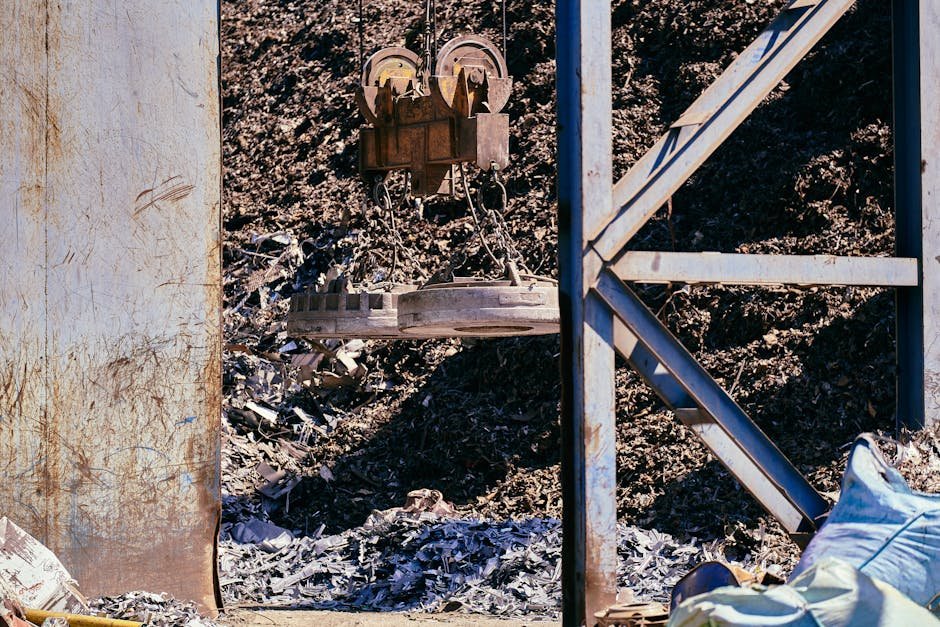
After sorting, the scrap is shredded into smaller, manageable pieces to increase its surface area. This shredding process makes it easier for the magnets to separate the ferrous components from other non-ferrous metals. Once the material is clean and sorted, it is sent to a foundry where it is melted in an electric arc furnace. The molten metal is then refined to meet specific industry standards, adjusted for alloy content, and cast into billets or slabs. These slabs are then rolled into new sheet metal or extruded into pipes and bars, ready to be used in construction, automotive, or medical applications.
This closed-loop system is incredibly efficient. Because stainless steel is 100% recyclable without any loss of quality, the material can be recycled indefinitely. This is a stark contrast to many plastics, which degrade over time. By choosing to recycle, you are directly contributing to a reduction in the need for virgin ore mining, which is a highly energy-intensive and environmentally taxing process.
Drop-Off vs. Pickup: Choosing the Right Service
For businesses and residents in the North Sydney area, the logistics of moving heavy metal can be the biggest hurdle. Most professional recyclers offer two main service models: drop-off and industrial pickup. If you have a smaller quantity of scrap, such as a few buckets of offcuts or old kitchen appliances, a drop-off at a local facility is often the most cost-effective route. It allows for immediate weighing and payment, and you can often get advice from the yard staff on how to better sort your future loads.
However, for construction sites, demolition projects, or large-scale manufacturing facilities, a pickup service is usually required. Professional recyclers provide bin services, where they drop off a skip bin at your location. You fill the bin with your scrap steel, and once it is full, they collect it and transport it to the processing facility. This is the most efficient method for managing high-volume waste, as it keeps your site clean and compliant with safety regulations. When negotiating your steel price per tonne, consider the logistics costs; sometimes, a slightly lower per-tonne price is offset by the convenience and cost savings of having the recycler handle the heavy lifting and transportation.
Always verify that the recycler has the appropriate licensing to operate in the North Sydney council area. Environmental compliance is critical; you want to ensure that your scrap is being processed in a facility that adheres to strict Australian environmental standards. A reputable partner, such as the experts at Scrap Trade, will provide clear documentation of your scrap weights and payment, ensuring transparency throughout the transaction.
Environmental Impact and Sustainability
The environmental case for recycling stainless steel is overwhelming. When we recycle, we significantly lower the carbon footprint associated with metal production. Extracting virgin iron and nickel involves strip mining, massive water consumption, and the release of harmful greenhouse gases. By utilizing recycled content, the energy required to produce new stainless steel is reduced by up to 70%. This is a massive win for the Australian economy and our global climate goals.
Furthermore, recycling prevents metal from ending up in landfills. While stainless steel is not toxic in the same way as lead or mercury, it is a bulky material that takes up valuable landfill space and can cause physical hazards. By diverting this material to a recycling facility, you are helping to preserve local land and prevent the leaching of heavy metals into the soil. In the context of North Sydney’s urban development, where space is at a premium, efficient waste management is a civic responsibility.
The circular economy is the future of manufacturing. By keeping materials in the loop, we reduce our reliance on volatile global supply chains. If you are a business owner, documenting your recycling efforts can also be a significant part of your ESG (Environmental, Social, and Governance) reporting. Working with a company like Scrap Trade Australia allows you to demonstrate that your waste is being handled responsibly, which is increasingly important for tenders and corporate partnerships.
Optimizing Your Scrap Management
To truly maximize the value of your scrap, you must treat your metal waste as a commodity rather than trash. This means implementing a sorting system at the source. If you are a workshop, separate your 304 from your 316. Keep your stainless steel away from your mild steel and other ferrous metal. Contamination is the enemy of profit in the scrap world. A single piece of brass or a plastic fitting can downgrade a whole load of high-value stainless steel, costing you money.
Invest in a simple magnet. While stainless steel is generally non-magnetic (or only weakly magnetic due to cold working), most other common steel grades are highly magnetic. This is a quick field test to help you separate your piles. Additionally, keep your scrap clean. Remove grease, oil, and paint where possible. While professional recyclers have the equipment to clean these materials, the cost of this processing is often deducted from your final payout. The cleaner your material, the higher the price you will receive.
Finally, track your scrap production. If you notice a spike in waste, it might indicate inefficiencies in your cutting or manufacturing processes. By monitoring your scrap, you are not only making money from the recycling process but also potentially reducing your raw material costs. This dual approach is what separates amateur scrap sellers from professional operators.
The Future of Stainless Steel Recycling in Australia
The industry is evolving rapidly. With the rise of digital platforms and better logistics, the gap between the producer of the scrap and the end-user is closing. We are seeing more transparency in pricing and better technology for sorting. The demand for recycled stainless steel is at an all-time high as manufacturers look to reduce the embodied carbon in their products. This trend is only going to continue, making your decision to recycle even more impactful.
As urban density increases in North Sydney, the need for specialized stainless steel recyclers North Sydney will only grow. These facilities are the unsung heroes of the city’s infrastructure, ensuring that the metals used to build our homes, offices, and transport networks are given a second life. By engaging with these services, you are supporting a local industry that is essential for a sustainable future. Whether you are a small contractor or a large industrial firm, your contribution to the recycling stream is vital.
Remember that the scrap market is dynamic. Global demand for nickel and chromium, the key components of stainless steel, fluctuates based on international trade and industrial production. Keeping an eye on these trends will help you time your sales for maximum profit. Utilize the resources available on our platform to stay informed and make data-driven decisions about your metal waste. By treating your scrap with the same care as your primary products, you turn a potential cost center into a reliable revenue stream.
Conclusion
Recycling stainless steel in North Sydney is a straightforward, profitable, and environmentally responsible choice. By understanding the grades of your material, preparing it correctly, and choosing a reputable partner, you can ensure that your scrap metal is handled with the highest standards of efficiency. Whether you are dealing with large industrial volumes or small household quantities, the principles of sorting, cleaning, and timely selling remain the same. We encourage you to reach out to professional recyclers, use the tools provided on our site, and join the thousands of Australians who are contributing to a more circular and sustainable economy. The value is in your hands—make sure you get the most out of your stainless steel scrap.
Related: Stainless Steel Recycling How To Sell Scrap For Maximum Profit
Related: north sydney stainless steel recyclers
Related: stainless steel recycling north sydney
Frequently Asked Questions
How do I know what grade of stainless steel I have?
The most accurate way is to use a handheld XRF analyzer, which many professional recyclers have on-site. For a quick DIY check, you can use a strong magnet; 304 and 316 stainless are generally non-magnetic, whereas mild steel is highly magnetic.
Does the price of stainless steel change often?
Yes, the price of stainless steel scrap is tied to global commodity markets, specifically the prices of nickel, chromium, and molybdenum. It is advisable to check current market rates before selling large volumes.
What should I avoid including in my stainless steel scrap load?
Avoid including non-metallic contaminants like plastic, rubber, wood, or glass. Also, try to keep other metals like copper, brass, or mild steel separate, as mixing them will significantly lower the value of your entire load.
Is there a minimum amount required for pickup services?
Most recyclers require a minimum weight or volume to justify the cost of sending a truck for a pickup. It is best to call your local service provider to discuss your specific volume and logistics needs.