
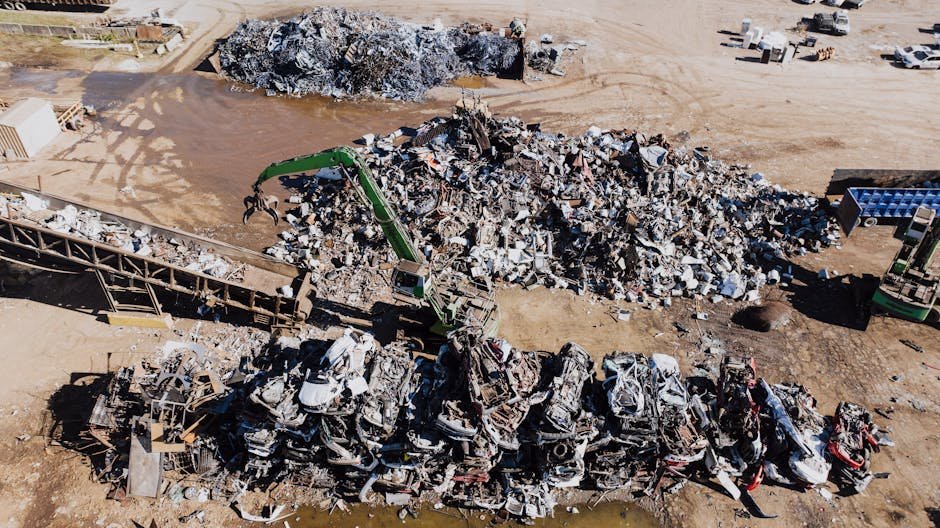

Navigating the complex landscape of silverwater scrap metal requires a deep understanding of market dynamics, material grading, and the logistical advantages of recycling in Western Sydney. As industries evolve and sustainability targets become mandatory, businesses and individuals alike are turning to professional metal recovery to offset costs and reduce their carbon footprint. Whether you are clearing out a warehouse or managing a large-scale demolition project, understanding the nuances of metal recycling is essential for maximizing your return.
The Strategic Importance of Silverwater Scrap Metal Recycling
Silverwater, situated in the heart of Sydney’s industrial corridor, serves as a critical hub for material recovery. The proximity to major arterial roads makes it an ideal location for the movement of heavy materials. When you engage with a reputable scrap metal silverwater facility, you are participating in a circular economy that keeps thousands of tonnes of material out of landfills annually. The industrial density of this region means that high volumes of copper, aluminium, and steel are constantly being cycled through the supply chain.
For those looking to optimize their logistics, knowing how to Sell Scrap Metal Near Me In 2026 is becoming increasingly digitized. Modern platforms allow for real-time tracking of Scrap Metal Prices, ensuring that sellers receive fair market value based on current LME (London Metal Exchange) trends. By utilizing a professional Scrap Metal Recycling Near Me service, you ensure that your materials are handled according to environmental regulations, preventing soil contamination and groundwater pollution.
Categorizing Scrap: Understanding Metal Grades
Not all scrap is created equal. The value of your material is determined by its grade, purity, and the ease with which it can be processed. Understanding these grades is the first step toward getting the best return on your professional scrap trading platform investment.
- Copper: The gold standard of scrap. Grade 1 (Bright & Shiny) is stripped, unalloyed, and uncoated. Grade 2 includes slightly oxidized or painted copper.
- Aluminium: Often categorized by “Clean” (no contaminants like plastic or steel) versus “Dirty” (mixed materials). Extruded aluminium and cast aluminium are highly sought after.
- Brass: A copper-zinc alloy. Yellow brass is the most common, while red brass commands a higher price due to higher copper content.
- Steel/Ferrous: Includes heavy melting steel (HMS), light iron, and stainless steel. While lower in price per kilogram than copper, the sheer volume makes it a profitable venture for large demolition projects.
- Lead and Batteries: These require specialized handling due to toxicity. Always ensure your recycling partner is licensed to manage hazardous materials.
If you are operating in neighbouring areas, you may also find that scrap metal bankstown facilities offer similar grading structures, though transport costs can vary based on your specific site location.
The Mechanics of the Recycling Process
The journey from scrap heap to raw material is a sophisticated industrial process. Once your metal arrives at a facility, it undergoes a rigorous sequence of operations. First, the material is weighed on certified scales to ensure transparency. Next, it is sorted using advanced technology, including X-ray fluorescence (XRF) analyzers that can identify the exact chemical composition of an alloy in seconds.
After sorting, the metal is processed. Large-scale shredders break down vehicles and appliances into manageable fragments. Hydraulic shears are used to cut heavy structural steel into furnace-ready sizes. For non-ferrous metals, magnets are used to separate ferrous contaminants, and eddy current separators use magnetic fields to push non-magnetic metals like aluminium away from the waste stream. Finally, the processed metal is baled or compacted for transport to smelters, where it is melted down into ingots or billets to be sold to manufacturers. This entire process is documented by experts at Australia’s leading scrap metal portal to ensure supply chain integrity.
Environmental Benefits and Sustainability
The environmental case for recycling is undeniable. Mining for virgin ore is an energy-intensive process that causes significant ecological disruption, including deforestation, habitat destruction, and massive carbon emissions. By recycling aluminium, for example, we consume 95% less energy than producing it from raw bauxite ore. Similarly, recycling copper saves approximately 85% of the energy required for primary production.
Beyond energy savings, recycling reduces the demand for landfill space. Metals that are not recovered often end up in landfills, where they can leach heavy metals into the soil and water table. By choosing to recycle, you are actively preventing this contamination. Furthermore, the metal industry is a major contributor to the circular economy—a system where materials are kept in use for as long as possible, minimizing waste and maximizing resource efficiency.
Economic Impacts for Businesses and Trades
For contractors, plumbers, electricians, and demolition crews, scrap metal is not just waste—it is a revenue stream. By implementing a systematic scrap management plan on your job site, you can offset the costs of waste disposal and even turn a profit. The key is in segregation at the source. If you mix your copper pipes with your steel offcuts, the entire lot may be downgraded to the price of the cheapest metal in the pile. By keeping grades separate, you maximize your profit margins.
In 2026, the industry is seeing a shift toward more transparent pricing models. Digital platforms have empowered sellers to compare rates across different facilities, reducing the information asymmetry that previously disadvantaged smaller sellers. Whether you are a small business owner or a project manager for a large firm, keeping an eye on the global market is no longer optional; it is a fundamental part of business operations.
Logistics and Safety in Scrap Handling
Safety is paramount when handling scrap metal. Sharp edges, heavy loads, and hazardous materials require proper personal protective equipment (PPE) and safe lifting practices. When transporting scrap to a facility, ensure your vehicle is loaded safely and that your load is secured according to road transport regulations. Many facilities offer bin services, where they drop off a skip bin at your site and collect it once it is full. This is often the most cost-effective solution for large-scale projects, as it eliminates the need for you to transport the material yourself.
When selecting a recycling partner, look for certifications. A reputable company will be able to provide documentation regarding their environmental compliance and their weight verification processes. This ensures that you are not only getting paid correctly but also that your waste is being handled ethically and in accordance with Australian law.
Future Trends in the Australian Scrap Industry
The future of the scrap industry is tied closely to the global transition toward green energy. As the world moves toward electric vehicles and renewable energy infrastructure, the demand for copper, lithium, and nickel is skyrocketing. This “electrification of everything” is reshaping the scrap market, making certain metals more valuable than ever before. We are also seeing advancements in robotic sorting, where AI-powered vision systems are replacing manual labour, leading to higher purity levels in recycled materials and lower costs for processors.
Additionally, government regulations regarding waste export and local processing are tightening. This is encouraging more investment in local infrastructure, meaning that more of Australia’s scrap will be processed domestically rather than being shipped overseas. This shift is expected to create more stable market conditions and foster a more robust domestic supply chain, which is excellent news for anyone looking to enter the market or expand their recycling operations.
Conclusion: Taking Action Today
Whether you are a professional tradesperson or a homeowner cleaning out a garage, the decision to recycle your metal is a win for both your wallet and the planet. By understanding the grades of scrap, utilizing modern tools to track prices, and partnering with a trusted facility, you can turn waste into wealth. The industry is evolving rapidly, and those who stay informed will be the best positioned to take advantage of the opportunities that lie ahead. Start by auditing your current waste stream, separating your materials by grade, and connecting with a local expert to get the best value for your scrap metal. Remember, every kilogram recycled is a step toward a more sustainable and resource-efficient future for Australia.
Frequently Asked Questions
What is the most valuable type of scrap metal?
Copper is consistently the most valuable common scrap metal due to its high demand in electrical and plumbing industries. High-purity grades like ‘Bright & Shiny’ copper wire command the highest market prices.
How can I get the best price for my scrap metal?
The best way to maximize your return is to segregate your metals by type and grade before arriving at the yard. Clean, sorted materials are much more valuable than mixed, contaminated loads.
Do I need to clean my scrap metal before recycling?
While you don’t need to polish it, removing non-metal contaminants like plastic insulation, wood, or excessive dirt and rust significantly improves the grade and the price you will receive.
Why is it important to use a licensed recycling facility?
Licensed facilities adhere to strict environmental and safety regulations, ensuring that hazardous materials are handled correctly and that your scrap is processed in a way that minimizes environmental impact.