
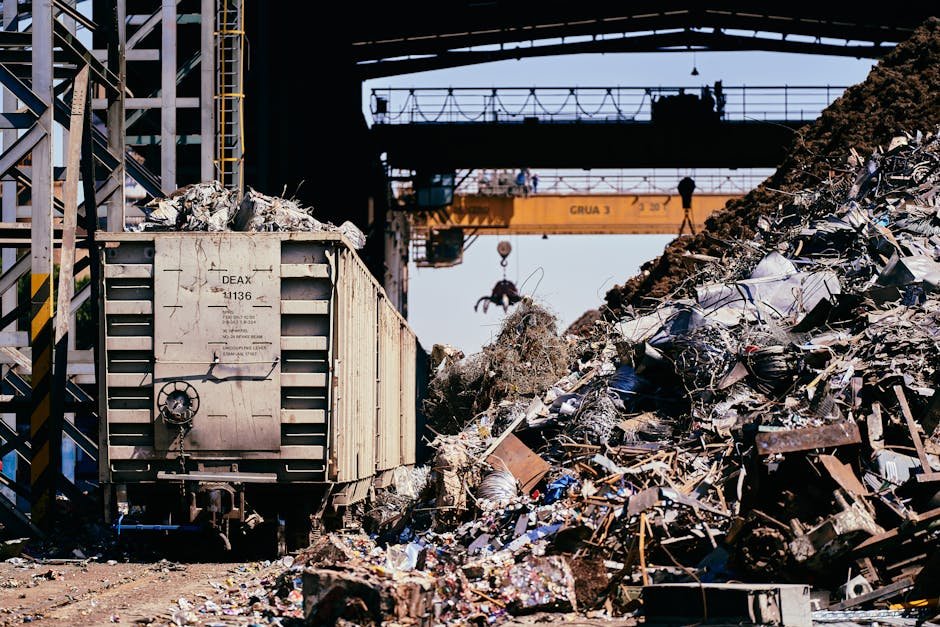

When searching for a reliable waste steel yard Sydney, it is crucial to understand the complexities of the local metal recycling market. Whether you are a construction firm, a machine shop, or a demolition contractor, managing your ferrous metal waste effectively is not just an environmental responsibility—it is a significant revenue stream. As the Sydney industrial landscape evolves, the demand for efficient recycling infrastructure has never been higher. This guide serves as your authoritative resource for navigating the scrap metal industry, ensuring you get the best value for your materials while adhering to Australian standards.
Understanding the Ferrous Metal Market in Sydney
Ferrous metal, which includes iron and steel, constitutes the vast majority of the scrap metal processed in Australia. Unlike non-ferrous metals, which are valued for their scarcity and conductivity, ferrous materials are valued for their sheer volume and their critical role in the circular economy. Steel is infinitely recyclable, meaning that every tonne of scrap steel recovered saves significant energy compared to producing virgin steel from iron ore. In Sydney, the market is driven by large-scale infrastructure projects, automotive manufacturing remnants, and construction demolition debris.
To navigate this market, you must first understand the classification of your scrap. Mild steel, for example, is the most common form of construction steel, prized for its versatility and ease of recycling. Conversely, sheet metal from HVAC or roofing applications requires different handling and sorting protocols. When you visit a scrap steel yard sydney, the grading of your material directly impacts the price you receive. High-quality, clean scrap—free of contaminants like plastic, wood, or concrete—will always fetch a higher price per tonne. If you are struggling to identify your scrap, consulting with a professional metal recycler can help you categorize your inventory for maximum profit.
Maximizing Returns: Tips for Selling Scrap Steel
Maximizing your profit at a waste steel yard Sydney requires preparation and strategy. Many sellers arrive at a waste steel sydney facility with mixed loads, which often results in the lowest possible price tier. To avoid this, you should prioritize separating your metals before arrival. Segregate your mild steel from high-grade alloys and ensure that your scrap is free from hazardous materials or excessive rust. The Steel Scrap Yard Near Me How To Find Sell And Maximize Profits guide provides a step-by-step breakdown of how to prepare your load for the scale.
Another critical factor is the current market volatility. The steel price per tonne is influenced by global supply chains, energy costs, and local construction activity in New South Wales. By staying informed on market trends, you can time your sales to coincide with price peaks. Furthermore, consider the logistics of transport. If you have large volumes of scrap, working with a professional service that offers bin hire or collection can offset the costs of hauling, provided you have enough volume to justify the service. For businesses generating consistent byproduct, specializing in high-value streams like Steel Turnings Chips Buyers Machine Shop Waste is essential to turning a waste liability into a profitable asset.
Choosing the Right Recycling Depot
Not all facilities are created equal. When selecting a waste steel yard Sydney, you should evaluate the facility based on transparency, weighing accuracy, and environmental certification. A reputable scrap metal trading platform can help you verify the credentials of local yards, ensuring they adhere to EPA regulations. Look for a facility that uses calibrated, public-facing scales so you can witness the weighing process. This transparency is the hallmark of a professional operation.
Additionally, consider the technological capabilities of the yard. Modern recycling depots are increasingly using advanced sorting technologies, such as optical sorters and X-ray fluorescence (XRF) analyzers, to accurately identify metal compositions. This technology allows them to pay more for specific grades of metal that were previously lumped into general categories. If you are deciding between traditional physical yards and emerging digital solutions, read our Steel Scrap Yard Vs Online Marketplace Comparison Guide For 2026 to understand how the industry is shifting toward more efficient, data-driven trading models.
The Environmental Impact of Steel Recycling
The environmental case for recycling steel in Sydney is compelling. Steel production is one of the most energy-intensive industries globally. By recycling ferrous scrap, we significantly reduce the amount of coal and iron ore required for new production. Furthermore, recycling reduces the carbon footprint associated with mining and shipping raw materials. In Sydney, local recycling efforts contribute to the state’s circular economy targets, reducing the volume of waste sent to landfills and preserving valuable land space.
A responsible recycling depot plays a vital role in this ecosystem. By processing scrap locally, these yards shorten the supply chain, reducing the transportation emissions associated with moving heavy metal across the country. When you choose to sell your scrap to a certified facility, you are participating in a global effort to lower industrial emissions and promote sustainable resource management. It is a win-win scenario: you generate profit while supporting the transition to a greener, more sustainable Australian economy.
Logistics and Transport for Large-Scale Scrap
For industrial clients, the logistical challenge of moving heavy scrap is often the biggest hurdle. If you are managing a demolition site or a large manufacturing facility, the cost of transport can quickly erode your margins. Many scrap yards in Sydney offer specialized bin services, providing 10m³, 20m³, or even 30m³ skip bins to your location. These bins are designed to handle the weight of dense steel, ensuring that your site remains clean and compliant with safety regulations.
When planning your waste management strategy, consider the frequency of collection. High-volume generators should negotiate a regular collection schedule to prevent site clutter and ensure a steady cash flow. Always ensure that your scrap is loaded safely to avoid overloading issues, which can result in fines or rejected loads. By partnering with a facility that understands the specific needs of your industry, you can streamline your operations and focus on your core business while the recycling experts handle the heavy lifting.
Future Trends in the Sydney Scrap Industry
The future of the scrap industry in Sydney is being shaped by digitization and increased demand for high-purity scrap. As manufacturing processes become more specialized, the need for clean, sorted scrap is growing. We are seeing a shift where scrap yards are no longer just dumping grounds but are becoming sophisticated material recovery facilities. The integration of blockchain for supply chain transparency and AI-driven sorting systems is set to change how we trade metal.
For those involved in the scrap trade, staying ahead of these trends is essential. Whether you are a small business owner or a procurement officer, understanding how the industry is moving toward greater transparency and efficiency will give you a competitive edge. The shift toward a circular economy is not just a trend—it is the future of industrial manufacturing. By engaging with modern, forward-thinking scrap yards, you are positioning yourself at the forefront of this industrial transformation.
Compliance and Safety Regulations
Operating within the scrap metal industry in New South Wales requires strict adherence to legal and safety standards. This includes compliance with the Scrap Metal Industry Act 2016, which mandates record-keeping and identity verification for sellers to prevent the trade of stolen goods. A professional waste steel yard Sydney will always require valid identification and will maintain accurate records of all transactions. This might seem like a bureaucratic hurdle, but it is a vital step in ensuring the integrity of the industry.
Safety is equally paramount. Handling heavy steel, operating machinery, and managing site traffic present significant risks. Reputable recycling facilities prioritize safety protocols, including mandatory PPE for visitors, clearly marked traffic zones, and rigorous training for staff. When you visit a yard, always follow the site instructions and stay within designated areas. By fostering a culture of safety and compliance, the industry continues to professionalize, shedding the outdated image of the ‘junkyard’ and replacing it with the image of a modern, efficient, and safe recycling hub.
Conclusion: Partnering for Success
Navigating the world of scrap metal recycling in Sydney requires more than just finding a place to dump your waste. It requires a strategic approach to material management, a deep understanding of market pricing, and a commitment to working with reputable partners. Whether you are dealing with mild steel, sheet metal, or complex machine shop turnings, the right waste steel yard Sydney can turn your waste into a significant asset.
By utilizing the resources and guides provided, you are well-equipped to maximize your returns and contribute to a more sustainable future. Remember that the value of your scrap is determined by your ability to sort, clean, and transport it efficiently. Stay informed, build relationships with your local recyclers, and continue to prioritize sustainable practices in your operations. The path to profitability in the scrap industry is clear: it starts with quality, ends with value, and is supported by the right professional partnerships.
Frequently Asked Questions
What is the current steel price per tonne in Sydney?
Steel prices fluctuate daily based on global market demand, currency exchange rates, and local supply. It is best to contact your local recycling depot directly for the most accurate, up-to-date quote for your specific material grade.
Do I need to sort my steel before taking it to a yard?
Yes, sorting your scrap significantly increases the price you receive. Separating ferrous metals from non-ferrous metals and removing contaminants like plastic or wood ensures you are paid for the highest possible grade.
What documents do I need to sell scrap metal in Sydney?
Under the Scrap Metal Industry Act 2016, you must provide valid government-issued photo identification. This is a mandatory requirement for all sellers to ensure transparency and prevent the trade of stolen property.
Can I get a bin for my construction waste steel?
Most professional recycling yards in Sydney offer bin hire services for commercial and industrial clients. This is an efficient way to manage large volumes of scrap and keep your site clean and safe.