
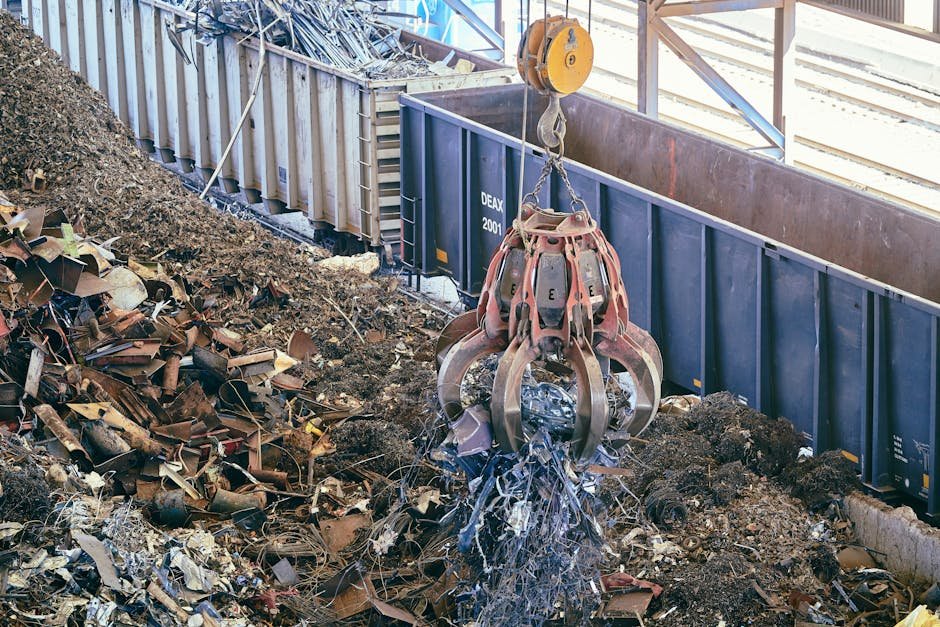

Understanding the scrap lead price is essential for businesses and individual collectors looking to maximize their returns in the Australian recycling market. Because lead is a dense, highly recyclable metal, its value is tied closely to the lead-acid battery industry and global manufacturing demand. Whether you are clearing out an industrial workshop or managing a fleet of vehicles, knowing how the market operates ensures you receive a fair price per kg for your materials.
How Scrap Lead Prices Are Determined in Australia
The scrap lead price is not a static figure; it is a dynamic value influenced by a complex web of global economic factors. In Australia, local scrap yards derive their buy-prices from the London Metal Exchange (LME), which sets the global benchmark for lead. When you check metal prices today, you are looking at a snapshot of a market that reacts to supply chain disruptions, energy costs, and geopolitical stability.
Refiners and smelters purchase scrap lead to process it back into high-purity ingots. The difference between the LME price and the price you receive at the gate accounts for transportation, processing costs, smelting energy, and the yard’s profit margin. For those tracking broader market trends, our Scrap Price Forecast Guide provides deep insights into how these commodities shift over time. Unlike more volatile metals, lead often maintains a steady, albeit lower, value per tonne, making it a reliable staple for scrap yards.
Factors Influencing the Market Rate
Several variables dictate the price per tonne offered by recycling facilities. First and foremost is the purity of the material. Clean, processed lead—such as lead pipes or sheeting—commands a higher price than lead-acid batteries, which require intensive chemical processing to neutralize acid and separate plastic casings from the lead plates.
Energy costs play a massive role in the recycling process. Smelting lead is an energy-intensive operation; therefore, when electricity prices rise, the overhead for recyclers increases, often resulting in a lower payout to the supplier. Additionally, domestic demand within Australia—driven by the automotive and renewable energy storage sectors—keeps the market liquid. If you are diversifying your portfolio of recyclable goods, you may also want to compare lead with other metals by reviewing the current Aluminum Scrap Price In 2026 or checking the latest steel scrap price to see how different material streams perform.
Grading Scrap Lead: What You Need to Know
To get the best scrap lead price, you must understand how yards grade your material. Not all lead is created equal. The most common grades include:
- Soft Lead: Usually found in plumbing pipes, roof flashing, and cable sheathing. This is highly sought after due to its purity and ease of melting.
- Hard Lead (Antimonial Lead): Contains small amounts of antimony to increase strength. This is common in wheel weights and certain types of piping.
- Lead-Acid Batteries: The most abundant form of scrap lead. These are graded as a whole unit, but their value is based on the lead content within the plates.
- Lead Dross/Oxides: These are industrial by-products that require specialized handling and refining, often fetching a lower price due to the significant processing required.
When selling, ensure your scrap is sorted. Mixing lead with other metals, particularly contaminants like copper or iron, can significantly downgrade the value of your entire load. For those dealing with mixed metals, it is helpful to understand the Stainless Steel Scrap Price and how it compares to your lead inventory. Always aim to keep your scrap clean and free of debris to ensure you receive the highest possible market rate.
The Environmental Benefits of Lead Recycling
Lead is a toxic heavy metal, and its release into the environment poses significant health risks. However, lead is also 100% recyclable without any loss in quality. By recycling lead, we reduce the need for primary mining, which is energy-intensive and environmentally destructive. In Australia, the lead-acid battery recycling loop is one of the most successful circular economy models, with over 95% of batteries being collected and processed.
Recycling lead prevents the leaching of toxic chemicals into groundwater and soil. When you choose to sell your scrap to a reputable facility—such as those listed on our Australian scrap metal directory—you are actively participating in a sustainable supply chain. This process conserves natural resources and significantly lowers the carbon footprint compared to extracting virgin ore. For more information on how to manage your scrap responsibly, visit our primary hub at Scrap Trade to learn about industry best practices.
Strategic Tips for Selling Scrap Metal
Maximizing your return requires more than just showing up at a yard. Timing is everything. Keep an eye on metal prices today and try to sell when the market is trending upward. If you have a large volume of scrap, contact the yard in advance to negotiate a better price per kg. Yards are often willing to pay a premium for consistent, high-quality, and large-quantity loads.
Furthermore, understand the difference between ferrous and non-ferrous metals. While lead is non-ferrous, you might also have copper or aluminum in your collection. Knowing the current price of scrap copper is vital because it is often much more valuable than lead. By separating your metals effectively, you ensure that you aren’t selling high-value items at the lower lead rate. Proper sorting is the single most effective way to increase your total payout.
The Future of Lead in the Circular Economy
While the world transitions toward lithium-ion technology, lead-acid batteries remain the backbone of the automotive industry and uninterruptible power supply (UPS) systems. This longevity ensures that the demand for lead will remain stable for the foreseeable future. As Australia moves toward a more circular economy, the infrastructure for recycling lead will only become more efficient, potentially stabilizing the scrap lead price and reducing volatility.
Technological advancements in hydrometallurgical recycling are also making the process cleaner and more efficient. These innovations allow for the recovery of secondary materials from batteries that were previously discarded. As a seller, staying informed about these shifts will help you anticipate market changes. Always check for updates on global commodity trends to ensure you are not caught off guard by sudden shifts in the market rate for lead and other base metals.
Logistics and Safety in Lead Handling
Safety should be your top priority when handling lead. Because it is a neurotoxin, you must use appropriate Personal Protective Equipment (PPE), including gloves and, in some cases, respiratory protection if you are handling dust or oxides. When transporting scrap lead, ensure it is secured properly, as its high density makes it prone to shifting during transit, which can damage vehicles or cause accidents.
Most professional scrap yards have specific protocols for receiving lead. Be prepared to provide identification and documentation if required by local regulations, as the scrap industry is increasingly regulated to prevent the theft of materials. By acting as a professional and responsible seller, you build a long-term relationship with your local recycler, which often leads to better service and more competitive pricing over time.
Conclusion: Maximizing Your Returns
Navigating the world of scrap metal doesn’t have to be complicated. By staying informed about the scrap lead price, understanding the grading process, and maintaining a clean, sorted inventory, you can ensure that you are getting the best possible value for your materials. Whether you are a small-scale recycler or an industrial operation, the principles of market awareness and proper sorting remain the same.
Remember that the market is global, but your success is local. Build relationships with reputable buyers, track the trends, and always prioritize safety and environmental responsibility. As you continue your journey in the recycling industry, keep our resources bookmarked to stay updated on the latest shifts in commodity pricing and industry standards. Through diligent effort and informed decision-making, you can turn your scrap metal into a consistent revenue stream while contributing to a greener, more sustainable future for Australia.
Frequently Asked Questions
What is the best way to store scrap lead before selling?
Store your scrap lead in a dry, covered area to prevent oxidation and contamination. Keep it separated from other metals like copper or steel to ensure you receive the highest grade and price when you sell.
Do all scrap yards accept lead-acid batteries?
Most licensed scrap metal recyclers accept lead-acid batteries because they are highly recyclable. However, it is best to call your local yard ahead of time to confirm they have the necessary permits and storage facilities for hazardous materials.
How often do scrap lead prices change?
Scrap lead prices can fluctuate daily or weekly based on the London Metal Exchange (LME) and local supply and demand. It is advisable to check the current market rate on the day you plan to sell.
Is it legal for individuals to sell scrap lead?
Yes, it is legal for individuals to sell scrap lead in Australia. However, you must comply with local regulations, which may include providing a valid photo ID and, in some states, proof of ownership or a declaration for the materials being sold.