
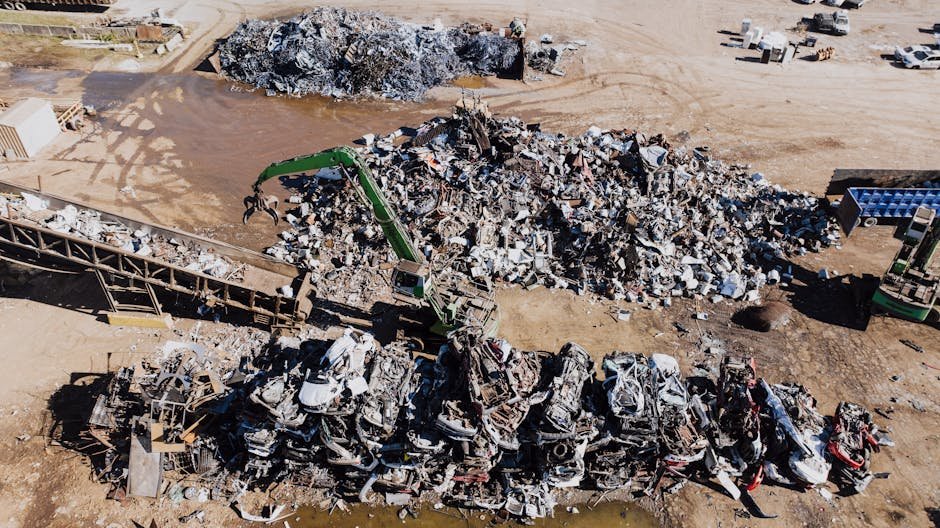

When it comes to scrap metal recycling Silverwater, understanding the local industrial landscape is essential for both businesses and individuals looking to optimize their waste management. Silverwater acts as a critical hub for the Greater Western Sydney economy, housing a diverse range of manufacturing, construction, and logistics firms. By participating in a professional recycling program, you contribute to a circular economy that preserves finite natural resources while providing significant financial returns.
The Importance of Scrap Metal Recycling Silverwater
Silverwater is an industrial nerve centre. The density of commercial operations here means that the volume of recoverable metal is substantial. Whether you are a small trade contractor or a large-scale manufacturing plant, choosing the right partner for scrap metal recycling Silverwater ensures that your waste stream is handled according to Australian environmental standards. Effective recycling reduces the need for primary ore extraction, which is an incredibly energy-intensive process. By diverting tons of steel, copper, and aluminium from landfills, we reduce the carbon footprint of the local manufacturing sector.
For those seeking immediate assistance, finding a reliable Scrap Metal Recycling Near Me is the first step toward responsible disposal. The infrastructure in Silverwater allows for high-volume processing, meaning that your scrap is not just discarded but transformed into raw materials for new products. This process is essential for the sustainability of our modern infrastructure.
Understanding Metal Grades: Ferrous vs. Non-Ferrous
To maximize your returns, you must understand the distinction between metal types. Ferrous metals contain iron, are magnetic, and are prone to rust. These include steel, iron, and stainless steel. Because of their abundance, they are often recycled in bulk. Non-ferrous metals, such as copper, aluminium, brass, lead, and zinc, are non-magnetic and highly valuable due to their superior resistance to corrosion and their infinite recyclability without losing quality.
If you are looking to Sell Scrap Metal Near Me In 2026, you need to be aware of the current market fluctuations. High-grade copper wiring, for instance, commands a premium price compared to structural steel. Proper sorting at the source is the single most effective way to ensure you receive the highest market rate. Contamination—such as plastic insulation on copper wire or rubber on steel parts—significantly lowers the grade and, consequently, the price of your scrap.
The Mechanics: How the Recycling Process Works
The recycling journey begins with collection and transport. Once the metal arrives at a facility specializing in scrap metal recycling Silverwater, it undergoes a rigorous sorting process. Advanced technology, including X-ray fluorescence (XRF) analyzers and electromagnetic separators, is used to identify and separate different alloys. This precision is what makes the silverwater scrap metal market so efficient.
After sorting, the metal is shredded or sheared to reduce its volume and prepare it for the furnace. The shredded pieces are then melted down in high-temperature furnaces. The molten metal is purified, removing any remaining impurities, and then cast into ingots or billets. These ingots become the raw material for everything from car parts to soda cans. For those interested in the broader industry, understanding the difference between Scrap Trading Vs Recycling Business models is crucial for anyone looking to enter the sector as a professional.
Environmental Benefits and Sustainability
The environmental case for recycling is irrefutable. Mining virgin ore requires massive amounts of energy, water, and land clearing, often resulting in significant habitat destruction. Recycling aluminium, for example, uses 95% less energy than producing it from raw bauxite ore. By keeping these materials in the economy, we drastically reduce the emissions associated with mining and refining.
Furthermore, local recycling efforts help clean up the Silverwater region. By providing a structured way to dispose of old machinery, construction debris, and industrial waste, we prevent illegal dumping and soil contamination. If you are operating in the nearby suburbs, you might also find that scrap metal recycling ryde services are highly integrated with the Silverwater network, creating a robust regional ecosystem for metal recovery. Visit Scrap Trade for more resources on optimizing your recycling logistics.
Practical Tips for Maximizing Scrap Value
Preparation is the key to profit. If you are preparing a load for the yard, follow these expert tips: 1. Clean your metal. Remove non-metallic attachments like plastic, wood, or glass. 2. Sort by type. Keep copper, brass, and aluminium separate from steel. 3. Strip wires if possible. Clean copper wire is worth significantly more than insulated wire. 4. Know your weights. Keep track of your loads to ensure you are being paid accurately. For comprehensive industry updates, check out the Australian Scrap Trade Portal.
The market is constantly evolving. In 2026 and beyond, automation and AI-driven sorting will continue to change how we process materials. Being ahead of these trends will ensure that your business remains profitable and environmentally compliant. Always work with a licensed facility that provides transparent weighing and pricing.
Logistics and Compliance in Silverwater
Compliance is non-negotiable. Industrial scrap must be handled according to local council regulations and environmental protection laws. This includes proper documentation for hazardous materials and ensuring that all transport meets safety standards. Professional recyclers in Silverwater are equipped to handle large-scale logistics, including skip bin services and industrial site clean-ups. This ensures that your business remains compliant while you focus on your core operations.
The integration of technology into the supply chain has made it easier than ever to track your waste. Digital reporting allows businesses to quantify their recycling efforts, which is increasingly important for ESG (Environmental, Social, and Governance) reporting. Whether you are a small workshop or a major construction firm, the ability to document your recycling impact is a valuable asset.
The Future of the Scrap Industry
As we look toward the future, the demand for recycled metals is only going to increase. The global transition to renewable energy requires vast amounts of copper for electrical grids and lithium-ion battery components. Silverwater’s position as an industrial hub makes it a vital link in this global supply chain. By continuing to refine our recycling processes, we ensure that the materials needed for the green transition are available right here at home.
Innovation in metallurgy also means that we can now recycle complex alloys that were previously considered “unrecyclable.” This opens up new revenue streams for businesses that previously viewed their waste as a cost center. By partnering with advanced recycling facilities, you turn your waste into a resource. The cycle of consumption and recovery is the foundation of a sustainable future, and every kilogram of metal recycled in Silverwater is a step in the right direction.
Detailed Breakdown: Common Scrap Metal Grades
Understanding the specific grades you are dealing with is vital for accurate valuation. Copper is typically categorized as #1 (clean, unalloyed) or #2 (slightly oxidized or with minor attachments). Aluminium is often graded based on whether it is cast, extruded, or sheet. Steel is categorized as heavy melting, light iron, or turnings. Each of these has a specific market price that changes daily based on global demand, currency fluctuations, and local supply.
By maintaining a clean yard and sorting your metals correctly, you minimize the labor required by the processing facility, which is often reflected in the price you receive. A professional recycler will always appreciate a well-sorted load, and in many cases, will offer better rates for high-quality, pre-sorted materials. This is the hallmark of a mature, efficient recycling business model.
Conclusion
Scrap metal recycling in Silverwater is more than just a waste management task; it is a vital industrial service that supports the economy and the environment. By understanding the grades, the processes, and the importance of professional partnerships, you can turn your scrap into a significant asset. Whether you are looking to clear out a warehouse or manage ongoing industrial waste, the resources available in Silverwater are world-class. Start by auditing your waste streams, sorting your materials, and connecting with a licensed facility to maximize your returns and minimize your environmental impact.
Frequently Asked Questions
What is the most valuable metal to recycle?
Copper is generally the most valuable non-ferrous metal due to its high demand in electrical and plumbing industries. Clean, bright copper wire typically commands the highest market price.
How do I know if my metal is ferrous or non-ferrous?
The easiest way to tell is by using a magnet. If the magnet sticks to the metal, it is ferrous (like steel or iron); if it does not, it is non-ferrous (like aluminium, copper, or brass).
Do I need to clean my scrap metal before bringing it in?
Yes, cleaning your scrap by removing non-metallic attachments like plastic, rubber, or wood will significantly increase your payout. Clean, sorted metal is much easier for recyclers to process.
Why are scrap metal prices always changing?
Scrap metal prices are driven by global commodities markets, supply and demand, and currency exchange rates. Since metal is a global commodity, its value fluctuates daily just like oil or gold.