
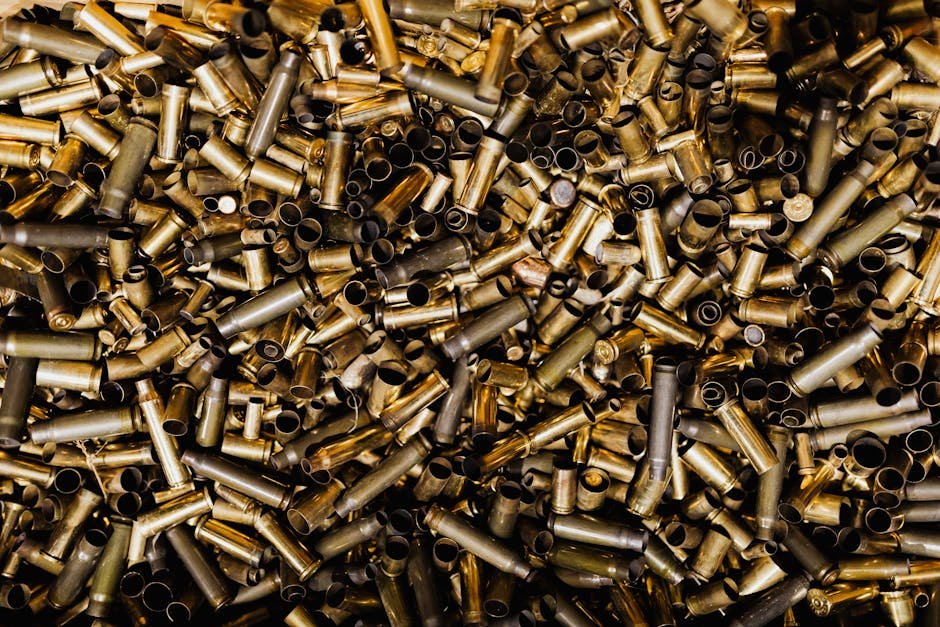

When it comes to brass recycling Parramatta, understanding the nuances of material grading and market fluctuations is essential for both trade professionals and residential renovators. As one of Western Sydney’s most active industrial hubs, Parramatta offers a unique landscape for metal recovery, where the volume of construction and plumbing waste makes brass a highly sought-after commodity. Whether you are clearing out a commercial site or managing a plumbing business, knowing how to identify and process your scrap can significantly impact your bottom line.
The Economics of Brass: Understanding Market Value
The global demand for copper and zinc—the two primary components of brass—directly influences the local brass price per kg. Because brass is an alloy, its composition can vary, which is why scrap yards categorize it into different grades. High-quality yellow brass, often found in architectural hardware, typically fetches a higher price than contaminated or mixed-grade scrap. To maximize your returns, you must understand the current market trends. Our platform, Scrap Trade Australia, provides real-time data to help you track these fluctuations.
In the Parramatta region, the proximity to major infrastructure projects means that large quantities of brass pipe and industrial fittings are frequently entering the waste stream. By engaging with a professional Metal Recycling Near Me service, you ensure that your materials are processed according to environmental standards while securing the best possible payout. The recycling process is not just about profit; it is a vital component of the circular economy, reducing the need for virgin mining and lowering carbon footprints.
Identifying and Sorting Your Brass Scrap
Effective recycling begins with accurate identification. Many people mistake bronze or copper-plated steel for brass. A simple magnet test is your first line of defense: if a magnet sticks to the item, it is likely steel or iron plated with brass, which significantly lowers its value. True brass is non-ferrous and will not attract a magnet.
When you are preparing your scrap for brass recycling Parramatta, focus on separating your materials into these categories:
- Yellow Brass: This is the most common form, often found in valves, taps, and decorative hardware. It has a distinct golden-yellow hue.
- Red Brass: Containing a higher percentage of copper, this is often found in heavy-duty plumbing fixtures and is more valuable than yellow brass.
- Clean Brass Fittings: These are free of paint, solder, or other attachments. Removing steel handles or plastic washers from your brass fittings before heading to the yard will classify your load as ‘clean,’ earning you a premium rate.
- Brass Pipe: Often found in older plumbing systems, brass pipe is dense and valuable. Ensure there is no lead solder attached to the joints, as this can downgrade the entire batch.
By organizing your scrap before arriving at a facility, you save time for the weigh-in process and ensure you get paid for the highest grade possible. For those looking for local options, checking our directory for Scrap Metal Recycling Near Me will highlight facilities equipped to handle high-volume sorting.
The Environmental Impact of Local Recycling
Recycling brass is significantly more energy-efficient than producing new brass from raw ore. The smelting process for recycled brass requires roughly 85% less energy than the primary production of copper and zinc. In the context of Parramatta, where urban development is rapid, local recycling initiatives play a critical role in waste diversion. When you choose to recycle, you are supporting a sustainable infrastructure that benefits the entire Recycling Community.
Furthermore, recycling prevents heavy metals from entering landfills, where they can leach into the soil and water table. Professional scrap yards in the Parramatta area operate under strict EPA guidelines to ensure that hazardous components, such as lead-based solder often found on old brass fittings, are handled safely and responsibly. By choosing to work with certified recyclers, you contribute to a cleaner, more sustainable Sydney.
Strategic Logistics: Navigating Parramatta’s Scrap Market
Logistics can be the biggest hurdle for contractors. If you are dealing with large quantities of brass pipe or industrial scrap, transport costs can eat into your profits. Efficient planning is key. Many yards offer bin services for large-scale demolition projects, which can streamline your site cleanup. If you are located in other parts of Sydney, you might also consider artarmon brass recycling hubs if your projects take you further north, or utilize our specialized metal recycling parramatta resources to find the closest drop-off point to your specific job site.
Always call ahead to confirm the current brass price per kg. Prices can shift daily based on the London Metal Exchange (LME) and currency exchange rates. Establishing a relationship with a reputable buyer at Scrap Trade can provide you with a more stable outlook on pricing and help you time your sales for maximum profit.
Common Contaminants to Avoid
Contamination is the number one reason for downgraded scrap loads. When you bring in a load of brass, the buyer will inspect it for ‘foreign’ materials. Common contaminants include:
- Steel Screws and Bolts: Even a few steel screws left in a brass fitting can downgrade the whole load to ‘mixed brass.’
- Rubber and Plastic: Gaskets, washers, and O-rings should be removed.
- Lead Solder: Heavily soldered joints are common in old plumbing, but they contain lead, which is strictly regulated.
- Paint and Coatings: Excessive paint or plating can make it difficult for the yard to verify the alloy, leading them to offer a lower ‘mixed’ price.
Spending an extra hour cleaning your brass can result in a significant percentage increase in your total payout. Think of it as ‘processing’ your scrap rather than just ‘dumping’ it. The cleaner your load, the faster you get paid, and the higher the rate you receive.
Safety Protocols for Scrap Handling
Working with scrap metal is inherently risky. Brass edges can be razor-sharp, especially when dealing with cut pipe or sheared fittings. Always wear thick, cut-resistant gloves and steel-toed boots when handling heavy scrap. If you are dismantling old equipment, be mindful of hidden electrical hazards or sharp internal components.
For those managing large-scale brass recycling Parramatta operations, consider the ergonomics of your workspace. Use pallets for stacking and heavy-duty bins for storage. Avoiding back injuries and lacerations is paramount to maintaining a profitable and sustainable recycling business. Always ensure your transport vehicle is rated for the weight you are carrying, as brass is significantly denser than it appears.
Future Trends in the Metal Recycling Industry
The future of brass recycling is tied closely to advancements in sorting technology. Automated X-ray fluorescence (XRF) analyzers are becoming more common in larger recycling facilities. These handheld devices can instantly determine the chemical composition of a metal piece, allowing for precise grading. As these technologies become more accessible, the gap between ‘mixed’ and ‘clean’ brass pricing will likely widen, rewarding those who take the time to sort their scrap correctly.
Additionally, the push for a ‘circular economy’ in Australia is driving government policy toward better resource recovery. We expect to see more incentives for businesses that can prove their waste is being recycled rather than landfilled. Keeping detailed records of your recycling activities—which you can track through digital platforms—will become increasingly important for compliance and potential tax benefits in the coming years.
Maximizing Your Returns: Pro Tips for Professionals
If you are a plumbing contractor or demolition expert, treat your scrap metal as a revenue stream rather than a chore. Implement a ‘bin system’ on your job sites. Have separate containers for yellow brass, red brass, and copper. This initial sorting at the source saves you hours of labor at the end of the month. Furthermore, tracking your scrap yields against your project estimates can provide valuable insights into your material wastage, helping you bid more accurately on future jobs.
Remember that the relationship you build with your local scrap yard is a partnership. Be transparent about what is in your load. If you have a large amount of brass pipe, ask your buyer if they can offer a volume incentive. Consistency is key; yards value regular suppliers who bring in clean, well-sorted material. By becoming a ‘preferred’ supplier, you are more likely to get the best service, the most accurate scales, and the most competitive pricing in the Parramatta market.
Conclusion: Taking Action Today
Recycling brass is a smart financial and environmental decision. By understanding the grading process, cleaning your materials, and leveraging local resources, you can turn discarded brass fittings and pipes into a reliable source of income. Parramatta remains a prime location for these activities, with a robust network of buyers and processors ready to support your efforts. Start by organizing your scrap, checking current market rates, and connecting with the right local partners. Your commitment to proper recycling practices not only boosts your bottom line but also contributes to the health and sustainability of the broader Australian economy. Whether you are a small-scale recycler or a large commercial operator, the principles of quality, cleanliness, and consistency will always lead to the best results in the scrap metal industry.
Frequently Asked Questions
How can I tell the difference between brass and other metals?
Use a magnet; if it sticks, it is likely steel or iron, not brass. Additionally, brass has a distinct yellowish-gold color, whereas bronze is more reddish-brown.
Does the brass price per kg change often?
Yes, brass prices fluctuate daily based on global copper and zinc market trends. It is recommended to check current rates with your local yard on the day you plan to sell.
Why is it important to remove steel attachments from brass fittings?
Steel attachments contaminate the brass, forcing the buyer to downgrade your entire load to ‘mixed brass,’ which pays significantly less than clean, pure brass.
Are there specific regulations for brass recycling in Parramatta?
Yes, all scrap metal dealers must comply with state environmental regulations and identity verification laws. Ensure you have your ID ready when selling scrap at any licensed facility.