
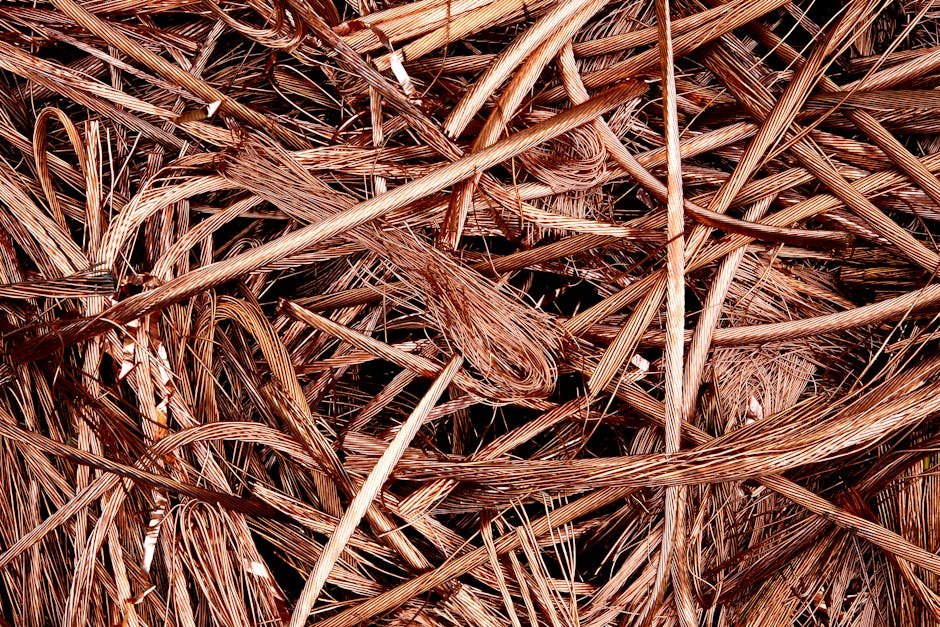

Understanding the scrap copper price per kg today is essential for anyone looking to turn their metal waste into a profitable venture. Copper is one of the most highly valued industrial metals globally, prized for its exceptional electrical conductivity and thermal properties. Because copper is infinitely recyclable without losing its physical properties, it remains a cornerstone of the circular economy. Whether you are a professional tradesperson, a demolition contractor, or a homeowner clearing out a shed, knowing how to value your materials is the first step toward securing the best financial outcome.
Understanding Market Dynamics: How Prices Are Set
The global metal market is a complex ecosystem. When you look up the current scrap copper price per kg today, you are essentially looking at a derivative of the London Metal Exchange (LME) price. The LME acts as the primary global hub for non-ferrous metal trading. However, the price you receive at your local yard is not the exact LME spot price. Instead, it is a localized reflection that accounts for several critical variables.
First, currency exchange rates play a massive role. Since copper is traded internationally in USD, a strong Australian dollar can sometimes suppress local returns, while a weaker dollar can boost them. Second, logistics and processing costs are factored in. A scrap yard must cover the costs of collection, sorting, storage, and transportation to smelting facilities. These overheads are deducted from the global commodity price to arrive at the local price of scrap copper.
Furthermore, demand-side economics are driven by infrastructure projects, the automotive industry, and the growing renewable energy sector. As the world shifts toward electrification, the demand for high-purity copper for EV batteries, wind turbines, and solar arrays continues to rise, putting upward pressure on long-term market values. For those tracking these trends, joining a Copper Scrap Group is an excellent way to stay informed about localized market shifts and emerging trends in the scrap metal industry.
Categorizing Scrap: Grades of Copper
Not all copper is created equal. To maximize your profit, you must understand the grading system. Scrap yards categorize copper based on purity, insulation, and the presence of contaminants like solder, paint, or plastic.
- Bare Bright Copper: This is the gold standard. It consists of unalloyed, uncoated, and unplated copper wire, stripped of all insulation. It must be clean and free of oxidation to qualify for the highest price.
- Number 1 Copper: This includes clean, unalloyed copper pipe and wire that is free of fittings, insulation, and solder. It is slightly less valuable than bare bright but still commands a premium.
- Number 2 Copper: This is the most common grade for residential scrap. It includes copper wire with some insulation, or copper pipe that contains solder joints, paint, or minor oxidation. It requires more processing at the yard, which is why it fetches a lower price per tonne.
- Insulated Copper Wire: This is graded based on the “recovery rate” of the copper inside the plastic coating. High-grade data cables or heavy-gauge electrical wires are more valuable than thin, low-yield cables.
If you have a mix of materials, it is often worth your time to separate them before visiting a yard. Mixing high-grade wire with low-grade pipe will often result in the entire batch being priced at the lower rate. For those in specific regions, checking the scrap copper price sydney can provide a benchmark for what you should expect at your local facility.
Factors Affecting Your Payout
Beyond the global market, several practical factors influence the final payout you receive. The most significant factor is the volume and quality of your scrap. Larger quantities often allow for better negotiation, as they reduce the overhead per kilogram for the recycler. However, cleanliness is king. If your copper is heavily contaminated with plastic, iron, or steel, the yard will have to spend time and energy cleaning it, which will be reflected in a lower offer.
Geographic location is another major factor. Proximity to major ports or smelting facilities can reduce transport costs, which sometimes translates to better pricing for the seller. Additionally, seasonal trends impact the market. Construction activity typically slows down during the winter months, which can lead to a temporary dip in the volume of scrap entering the market, potentially influencing prices. Always ensure you are working with a reputable scrap metal trading platform that provides transparent pricing and reliable weighing services.
When you are ready to offload your materials, use our guide on Scrap Copper Near Me Where To Sell Copper Scrap For The Best Price to identify the most competitive buyers in your area. Remember, the goal is to find a partner who values long-term relationships over quick, low-ball transactions.
The Environmental Imperative of Recycling
Copper recycling is one of the most environmentally significant industrial processes. Unlike many other materials, copper can be recycled indefinitely without losing its chemical or physical properties. Mining virgin copper is an energy-intensive process that involves massive excavation, chemical leaching, and significant carbon emissions. In contrast, recycling existing scrap consumes up to 85% less energy than producing new copper from ore.
By choosing to recycle your copper wire and copper pipe, you are actively contributing to the reduction of landfill waste and the conservation of natural resources. This is particularly important in Australia, where the mining industry is a major economic driver but also a significant contributor to environmental impact. Every kilogram of recycled copper reduces the need for new mines, preserves biodiversity, and helps close the loop in the manufacturing sector. When you trade with a professional Australian scrap metal recycling network, you are supporting a sustainable supply chain that powers the green energy transition.
Comparing Other Metals: Beyond Copper
While copper is the star of the show, your scrap pile might contain other valuable metals. Often, copper is found alongside other materials like aluminium, brass, or stainless steel. Understanding the broader market helps you maximize your total haul. For instance, knowing the current Stainless Steel Scrap Price can help you decide whether it is worth separating your stainless components from your copper loads.
Many yards offer bundled pricing if you bring in a diverse range of materials. However, always keep your copper separate. Because copper is significantly more valuable than steel or aluminium, mixing it with cheaper metals will almost certainly lead to a loss in your total potential earnings. Keep a separate bin for your copper and ensure it is as clean as possible before transport.
Logistics and Safety: Practical Tips for Sellers
Transporting scrap metal requires a degree of caution. Copper is heavy, and improper loading can lead to vehicle damage or accidents. Always secure your load properly and ensure your vehicle is rated for the weight you are carrying. When arriving at a yard, follow the facility’s safety protocols, wear appropriate PPE (gloves and boots), and be prepared to wait if the yard is busy.
Furthermore, be aware of the documentation requirements. In many Australian states, scrap metal dealers are required to record the identity of the seller to prevent the trade of stolen goods. Bring a valid photo ID and be prepared to provide details about the origin of your scrap. This is a standard industry practice that ensures the integrity of the recycling market and protects honest sellers and buyers alike.
The Future of Copper and the Circular Economy
The future of the copper market looks exceptionally bright. As the global transition to renewable energy accelerates, the demand for copper is projected to reach record highs. Copper is the “metal of electrification,” essential for every wind turbine, solar panel, and electric vehicle battery. This long-term demand suggests that the value of scrap copper will remain high, making it a reliable asset for those who regularly handle construction or electrical waste.
As we move toward a more circular economy, the role of the individual recycler becomes even more important. By keeping copper in the loop, you are not just making money; you are participating in a global movement to reduce the environmental footprint of our modern society. Whether you are a professional contractor or a hobbyist, your contribution matters. Keep track of the scrap copper price per kg today, stay informed about market shifts, and continue to prioritize quality in your scrap collection.
Conclusion: Maximizing Your Returns
Successfully navigating the scrap metal market requires a combination of patience, knowledge, and the right partners. By understanding the grades of copper, the factors that influence pricing, and the importance of proper sorting, you can ensure that you are getting the best possible return for your materials. Remember that the market is dynamic, and staying updated through reliable industry resources is the best way to maintain your competitive edge.
Start by separating your materials, identifying the best local buyers, and keeping an eye on global commodity trends. Whether you are dealing with small quantities of wire or large loads of industrial pipe, the effort you put into preparation will pay dividends. Use the resources provided here to stay connected with the industry, and always aim to work with reputable yards that prioritize transparency and fair pricing. By doing so, you are not only maximizing your profit but also contributing to a more sustainable and efficient future for the Australian recycling industry.
Related: price of scrap copper
Frequently Asked Questions
What is the difference between Number 1 and Number 2 copper?
Number 1 copper is clean, unalloyed, and free of solder or insulation, making it more valuable. Number 2 copper contains impurities like solder joints, paint, or minor oxidation, which requires more processing and results in a lower price.
Does the scrap copper price per kg today change daily?
Yes, scrap copper prices are linked to the London Metal Exchange and fluctuate daily based on global commodity demand, currency exchange rates, and local supply levels. It is recommended to check current rates on the day you plan to sell.
Why is it important to strip insulation from copper wire?
Stripping insulation increases the grade of your copper from ‘insulated wire’ to ‘bare bright’ or ‘Number 1,’ which commands a significantly higher price per kilogram. However, ensure the time spent stripping is worth the price difference.
Do I need identification to sell scrap copper in Australia?
Yes, most Australian states have strict regulations requiring scrap metal dealers to record the identity of the seller to prevent the trade of stolen metal. Always bring a valid government-issued photo ID when visiting a scrap yard.