
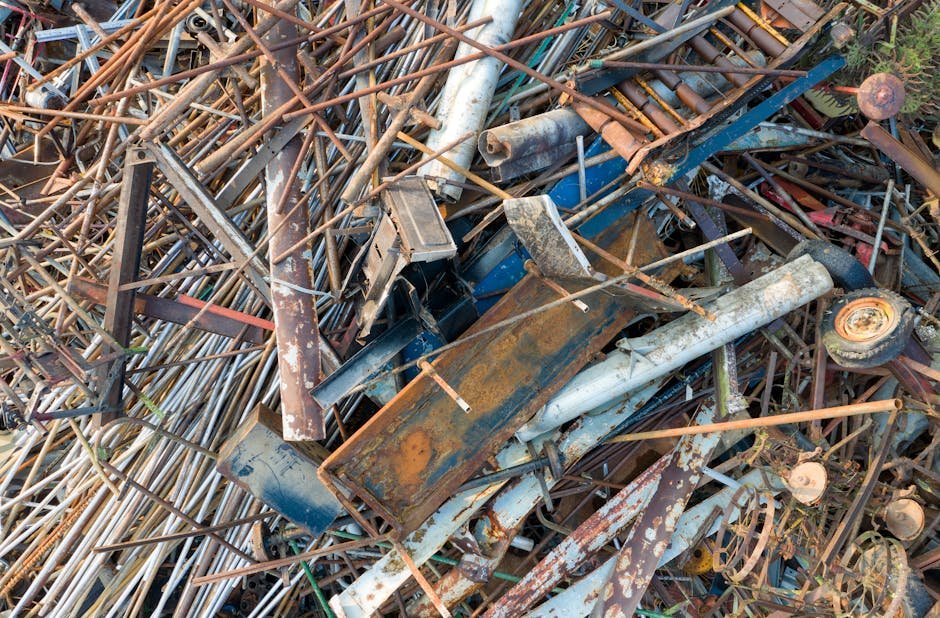

Understanding the intricacies of scrap metal dural is essential for anyone looking to maximize the value of their industrial or domestic metal waste. Whether you are a tradesperson, a construction manager, or a homeowner clearing out a shed, knowing how to identify and process this specific alloy can significantly impact your bottom line. As the industry evolves, finding a reliable partner to Sell Scrap Metal Near Me In 2026 has become easier, provided you understand the grading systems and market fluctuations.
What is Duralumin and Why Does it Matter?
Duralumin, often referred to as dural, is a trade name for one of the earliest types of age-hardenable aluminium alloys. It typically contains aluminium, copper, manganese, and magnesium. Because of its high strength-to-weight ratio, it is a staple in the aerospace, automotive, and structural engineering sectors. When dealing with scrap metal dural, recyclers look for these specific alloying elements to determine purity and value. Unlike standard soft aluminium, dural is harder and more resistant to fatigue, making it a high-demand commodity in the secondary metal market.
For those located in the Sydney region, managing your logistics is key. Whether you are searching for scrap metal chatswood services or require specialized logistics like silverwater scrap metal facilities, the goal remains the same: ensure your dural is separated from common aluminium extrusions or cast aluminium to fetch a premium price. You can check the latest Scrap Metal Prices to understand how the market values these high-strength alloys compared to standard scrap.
The Grading Process: How Recyclers Value Your Metal
Recycling facilities utilize advanced technology to grade scrap. For dural, the presence of copper is the primary differentiator. If you are preparing your scrap, cleanliness is paramount. Contaminants such as steel bolts, plastic insulation, or paint can downgrade a load of dural to ‘mixed aluminium,’ which carries a significantly lower price point. When you visit a Scrap Metal Recycling Near Me facility, the staff will often use X-ray fluorescence (XRF) analyzers to determine the exact chemical composition of your metal.
Expert recyclers prefer clean, segregated loads. If you have large quantities of dural, it is advisable to keep it separate from other alloys. This practice not only speeds up the weighing process but also demonstrates to the yard manager that you are a professional supplier, which can often lead to better pricing tiers. Always consult with the leading scrap metal trading platform to ensure your materials meet the current industry specifications for 2000-series aluminium.
Environmental Benefits of Recycling Dural
The environmental impact of recycling scrap metal dural cannot be overstated. Producing primary aluminium from bauxite ore is an energy-intensive process that requires massive amounts of electricity and results in significant greenhouse gas emissions. In contrast, recycling dural requires roughly 95% less energy than primary production. By keeping this high-strength alloy in the circular economy, we reduce the need for mining and decrease the overall carbon footprint of the Australian manufacturing sector.
Furthermore, dural is infinitely recyclable. This means that an aircraft component made of dural today can be melted down and repurposed into a new structural beam or automotive part without any loss in material properties. This sustainability is a core pillar of the professional scrap metal recycling network, which works to ensure that Australian resources are managed with the highest level of environmental stewardship.
The Logistics of Scrap Trading in Australia
Navigating the logistics of scrap trading requires a strategic approach. For large-scale industrial clients, the challenge is often the removal and transportation of heavy, bulky scrap. Many modern scrap yards now offer bin services and scheduled pickups to streamline this process. If you are managing a demolition site or a large manufacturing facility, coordinating your scrap removal is as important as the actual trade. Using a digital platform to track your sales and market trends allows you to time your disposals when market prices are at their peak.
Effective scrap management also involves safety. Dural is often found in heavy structural components that can be dangerous to handle without proper equipment. Always utilize PPE, including gloves and steel-toed boots, when handling or loading scrap. If you are unsure about the weight or the safety protocols of your specific scrap, contact your local yard to discuss their site-specific safety requirements before arriving.
Advanced Sorting Techniques for Professionals
To truly master the scrap trade, one must understand how to sort materials like a pro. Dural is non-magnetic, which is a quick test you can perform with a magnet. However, because it looks similar to other aluminium grades, visual inspection is often insufficient. Professionals look for markings, serial numbers, or specific part shapes that indicate the alloy grade. For example, many structural components from the aerospace industry are stamped with their alloy designation.
If you are dealing with mixed scrap, use a heavy-duty magnet to remove all ferrous contaminants first. Once the steel is gone, separate your aluminium by thickness and finish. Dural is typically found in thicker, more robust sections. By segregating your scrap before it reaches the yard, you minimize the risk of ‘downgrading’ and ensure you receive the maximum return for your high-quality materials.
Market Trends and Future Outlook
The market for scrap metal is global, and dural is no exception. As the world transitions toward more sustainable transportation and infrastructure, the demand for lightweight, high-strength materials is skyrocketing. This trend is driving up the value of recycled dural. Investors and businesses that prioritize the recovery of these metals are positioning themselves well for the coming decade. Keeping an eye on international commodity exchanges and local market reports will give you a competitive edge.
In Australia, the focus on ‘circularity’ is becoming a government priority. This means more regulation around waste disposal and more incentives for businesses that recycle. By aligning your business operations with these goals, you are not only contributing to a healthier environment but also building a resilient business model that can withstand fluctuations in raw material supply chains.
Practical Tips for Maximizing Scrap Value
1. Cleanliness is King: Remove all non-metallic attachments. Screws, plastic, and rubber gaskets are the enemy of high-value scrap.
2. Volume Matters: Larger, consistent loads are more attractive to recyclers. If you have a small amount, consider stockpiling until you have a full load.
3. Build Relationships: Establish a relationship with a specific yard. Consistent suppliers often get better service and more favorable pricing.
4. Stay Informed: Use online tools and apps to monitor price trends. Don’t sell in a panic; wait for the market to move in your favor.
5. Documentation: Keep records of your scrap sales. This is vital for tax purposes and for tracking the environmental impact of your business.
Conclusion: The Path Forward
The recycling of dural is a sophisticated process that reflects the broader shift toward a more sustainable and efficient industrial economy. By understanding the grades, the environmental benefits, and the logistical realities of the trade, you can turn what was once considered ‘waste’ into a valuable asset. Whether you are a small business or a large corporation, the principles remain the same: sort your materials, prioritize cleanliness, and work with reputable partners to ensure your scrap is processed correctly. As we look toward the future, the role of scrap metal in our economy will only continue to grow, making now the perfect time to optimize your recycling strategy.
Frequently Asked Questions
How can I tell if my scrap metal is dural?
Dural is a non-magnetic aluminium alloy, often found in aerospace or heavy-duty structural parts. It is typically denser and harder than standard aluminium, and you can often identify it by looking for manufacturer stamps or serial numbers on the parts.
Does dural scrap fetch a better price than regular aluminium?
Yes, because dural is a high-strength alloy containing copper and other elements, it is generally more valuable than standard, soft aluminium extrusions. However, it must be kept free of contaminants to receive the premium grade price.
What is the best way to prepare dural for the scrap yard?
The best way is to remove all non-metallic attachments like plastic, rubber, and steel bolts. Sorting your dural into a separate, clean pile will prevent it from being downgraded to mixed aluminium, ensuring you get the best possible return.
Why is recycling dural better for the environment?
Recycling dural uses about 95% less energy than producing new aluminium from raw bauxite ore. This significantly lowers greenhouse gas emissions and reduces the need for destructive mining practices.