
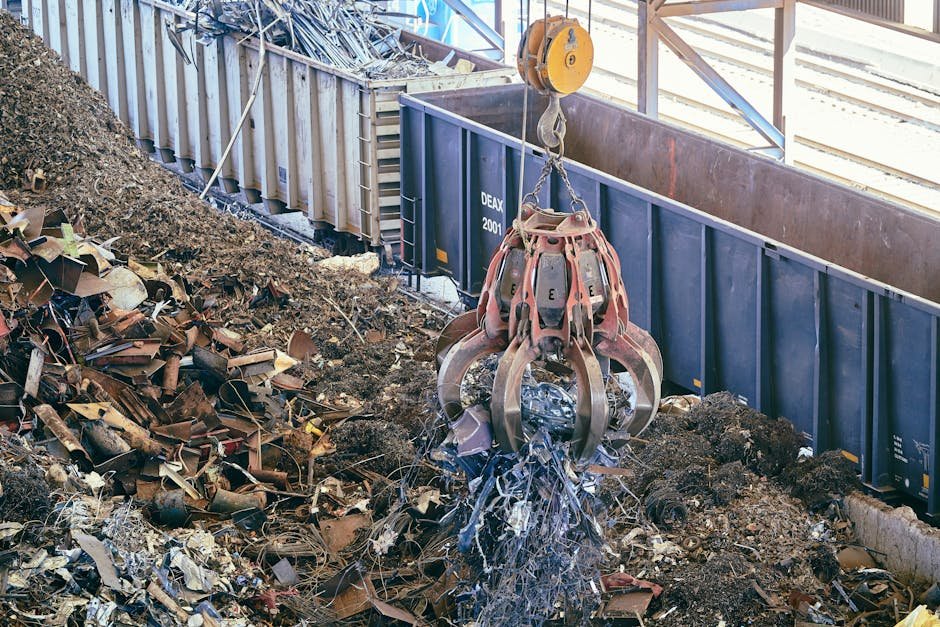

Navigating the volatile landscape of scrap lead prices per kg requires a deep understanding of both local Australian market dynamics and global industrial demand. As a dense, highly recyclable heavy metal, lead remains a cornerstone of the automotive and energy storage sectors, primarily through lead-acid battery production. Whether you are a professional demolition contractor, an industrial manufacturer, or a private collector, monitoring the Scrap Prices is essential for ensuring you receive a fair return on your materials.
Understanding Market Fluctuations and Lead Valuation
The valuation of non-ferrous metals is never static. When you look up Scrap Metal Prices, you are viewing a snapshot of a complex global ecosystem. Lead is traded on the London Metal Exchange (LME), which serves as the primary benchmark for the global price per tonne. When the LME price shifts, local scrap yards adjust their buy prices accordingly. Several factors influence these movements, including mining output, geopolitical stability in major lead-producing nations, and the overall health of the automotive manufacturing sector.
For those searching for scrap lead prices per kg, it is important to realize that the price offered at the yard is a retail price, which accounts for the yard’s operational overhead, transport costs, and profit margin. If you are holding large volumes, you may be able to negotiate a better rate than the standard public price. Always check the Scrap Metal Prices Near Me to compare local offers, as logistics play a massive role in the final payout. If you are specifically looking for regional data, you might search for scrap lead prices sydney to see how local demand impacts the rates in major urban centers.
How Scrap Lead Prices Are Set
The price you receive is rarely just a number pulled from thin air. It is a calculated figure derived from the purity of the lead and the current market rate. Lead is categorized into various grades, and the cleaner the material, the higher the value. For instance, soft lead (often found in plumbing or roofing) is usually more valuable than battery lead, which requires extensive processing to remove acid and plastic casings.
When you inquire about a scrap lead price, the yard will first inspect the material for contaminants. Lead that is heavily alloyed with other metals, or lead that is attached to steel or plastic, will be downgraded. This is why it is vital to sort your scrap before arriving at the facility. By separating clean lead from contaminated scrap, you ensure you are paid for the actual weight of the lead rather than the weight of the impurities. This practice is standard across the industry and is the most effective way to maximize your return on investment.
Common Grades of Scrap Lead
Lead is not a one-size-fits-all commodity. Understanding the grades is crucial for any trader. The most common grades include:
- Soft Lead: This is the purest form, often found in lead flashing, roofing materials, and old plumbing pipes. It is easy to melt and highly sought after by recyclers.
- Hard Lead (Antimonial Lead): This contains small amounts of antimony to increase strength. It is commonly found in lead-acid batteries and wheel weights.
- Lead-Acid Batteries (SLI Batteries): These are the most common source of scrap lead. They require specialized handling due to the sulfuric acid and lead plates inside. Because of the hazardous nature of the contents, the price per kg for whole batteries is usually lower than for clean, pure lead.
- Cable Lead: Often found as sheathing on older high-voltage cables. It is generally clean but may require stripping of the outer insulation.
By knowing exactly what you have, you can better anticipate the quote you will receive. For more detailed information on metal classification, you can visit the comprehensive resources at Scrap Trade.
The Recycling Process: From Scrap to Commodity
The recycling process for lead is one of the most efficient in the world. In Australia, the vast majority of lead-acid batteries are recycled, creating a circular economy that prevents toxic materials from entering landfills. The process begins with collection and sorting. Once the lead is collected, it is transported to a smelter. Here, the batteries or scrap items are broken down. The plastic casings are separated and recycled into new products, the acid is neutralized or recovered, and the lead plates are melted down.
The molten lead is then refined to remove impurities and cast into ingots. These ingots are sold back to manufacturers to create new batteries, radiation shielding, or construction materials. This process consumes significantly less energy than mining and refining virgin lead ore. By participating in this cycle, you are not just making money; you are contributing to a sustainable industrial future. For industry-leading recycling solutions, you can explore the services offered by Scrap Trade Australia.
Environmental Benefits and Regulatory Compliance
Lead is a heavy metal that poses significant health and environmental risks if not managed correctly. It is a neurotoxin that can leach into groundwater if disposed of in standard municipal waste. This is why recycling is not just an economic choice but a regulatory necessity. In Australia, strict environmental regulations govern how scrap yards must handle lead. They must have specialized containment systems to prevent lead dust and acid leaks.
When you sell your scrap to a licensed facility, you are ensuring that the lead is handled in compliance with these environmental standards. This prevents the contamination of local ecosystems. Furthermore, the energy savings from recycling lead are immense. It takes roughly 35-40% less energy to produce lead from recycled materials compared to primary smelting. This reduction in energy consumption directly lowers the carbon footprint of the automotive and energy sectors.
Practical Tips for Maximizing Your Returns
If you want to get the best scrap lead prices per kg, preparation is everything. Follow these professional tips to improve your bottom line:
- Sort your materials: Never mix lead with other metals like copper, brass, or steel. Contamination lowers the value of the entire batch.
- Clean your lead: Remove as much plastic, rubber, and steel as possible. If you are selling lead cable, stripping the insulation can significantly increase the price per kg.
- Build a relationship with a yard: If you are a regular supplier, yards are more likely to offer you a better price than they would to a one-time walk-in customer.
- Monitor the market: Keep an eye on the LME and local market reports. Sell when prices are trending upward.
- Safety first: Lead is toxic. Always wear gloves, wash your hands thoroughly after handling, and avoid creating dust when breaking down scrap.
By treating your scrap collection as a professional business, you can turn what many consider “junk” into a consistent revenue stream.
The Future of Lead Recycling in Australia
As the world shifts toward electric vehicles (EVs), some might wonder if the demand for lead will diminish. However, the reality is that lead-acid batteries remain critical for the “start-stop” systems in modern vehicles, as well as for backup power in telecommunications and renewable energy storage. The demand for lead is expected to remain robust for the foreseeable future. Australia, with its sophisticated recycling infrastructure, is well-positioned to remain a key player in the global lead market.
Technological advancements in smelting are also making the recycling process cleaner and more efficient. New hydrometallurgical processes are being developed that may eventually replace traditional smelting, further reducing the environmental impact of lead recovery. For those involved in the industry, staying informed about these technological shifts is just as important as watching the daily commodity prices.
Conclusion: Turning Scrap into Value
Understanding the intricacies of the lead market allows you to make informed decisions about when and how to sell your scrap. From the global benchmarks that set the price per tonne to the local yard handling that determines your final payout, every step matters. By focusing on quality, safety, and proper sorting, you can ensure that you are getting the best possible value for your materials while supporting a sustainable, circular economy.
Whether you are clearing out a workshop or managing industrial waste, remember that your scrap lead is a valuable resource. By utilizing professional platforms and staying connected with reputable recyclers, you can turn your waste into a significant asset. Always keep an eye on the shifting market rates and continue to prioritize safe, environmentally conscious disposal methods to ensure the longevity of the industry and the health of our environment.
Frequently Asked Questions
What is the best way to determine the current scrap lead price?
The best way is to check the London Metal Exchange (LME) for global trends and then contact local scrap yards for their specific buy rates. Prices fluctuate daily based on purity and local demand.
Does the purity of the lead affect the price per kg?
Yes, significantly. Clean, soft lead commands a higher price than lead contaminated with plastic, steel, or other metals, as it requires less processing at the refinery.
Is it safe to store scrap lead at home?
You should handle lead with caution. It should be stored in a dry, secure area away from food preparation zones, and you should always wash your hands thoroughly after handling it to avoid ingestion of lead dust.
Why do scrap yards pay less for whole lead-acid batteries?
Batteries contain hazardous acid and plastic casings that must be safely removed and processed. The scrap yard deducts the cost of this specialized handling from the total value of the lead contained within.