
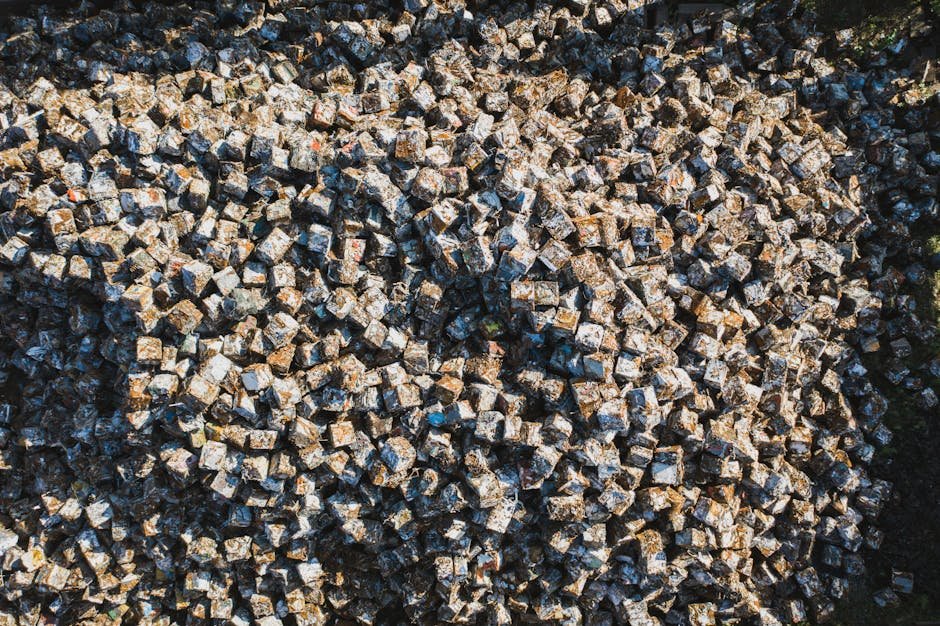

The lead scrap price is a critical metric for recyclers, traders, and industries reliant on secondary metal production. In Australia, the current market value per kg for clean lead scrap is influenced by global commodity trends, refining costs, and environmental regulations. Below, we break down pricing dynamics, grades of scrap, recycling processes, and the environmental benefits of lead recovery, providing a comprehensive guide for businesses and individuals navigating the scrap metal market.
Current Market Value of Lead Scrap in Australia
The lead scrap price in 2024 reflects volatile but generally upward trends due to increased demand in battery manufacturing and industrial applications. As of this writing, clean lead scrap (99% purity) trades at approximately $1.50–$2.00 per kg, translating to $1,500–$2,000 per tonne. Contaminated or mixed lead scrap commands lower prices, often $1.00–$1.30 per kg, due to additional processing costs. These figures align with the latest Scrap Price Forecast Guide, which predicts a 10–15% annual increase in lead prices through 2025.
Comparative analysis with other metals reveals lead’s unique position: while stainless steel scrap hovers at $1.20 per kg and aluminum scrap remains at $0.80 per kg, lead’s value is driven by its irreplaceable role in lead-acid batteries and radiation shielding applications.
How Lead Scrap Prices Are Determined
Lead scrap pricing is a function of several interlocking factors:
- Global demand: Approximately 80% of recycled lead is used in battery production. Growth in the electric vehicle (EV) sector and renewable energy storage has spiked demand, driving prices higher.
- Supply chain disruptions: Mining output, refining capacity, and trade policies (e.g., export bans in China) create supply-side volatility.
- Recycling efficiency: Clean lead scrap with minimal contamination fetches premium prices because it requires less energy to refine.
- Environmental regulations: Stricter rules on hazardous waste handling increase costs for recyclers, indirectly affecting pricing.
For real-time scrap lead prices per kg, monitor platforms like Scrap Trade and Scrap Trade Australia, which aggregate data from certified buyers and traders.
Grades of Lead Scrap and Their Market Value
Lead scrap is categorized by purity and contamination levels. Key grades include:
- Lead-acid batteries: The most common source, containing 60–70% lead. Sorting and dismantling are required, with prices around $1.00–$1.20 per kg after separating plastic and acid components.
- Lead sheeting/ingots: High-purity (97–99.9%) scrap from construction or industrial use, priced at $1.80–$2.20 per kg due to minimal processing needs.
- Mixed lead/scrap: Contaminated with copper, zinc, or other metals. Recyclers must use spectroscopy to grade this, resulting in prices as low as $0.80–$1.00 per kg.
To maximize returns, ensure proper sorting and documentation. For example, the scrap lead price for clean, sorted material can be 30–50% higher than unsorted batches.
The Lead Recycling Process: From Collection to Refining
Lead recycling is a closed-loop system that reduces the need for primary mining. The process includes:
- Collection: Scrap is gathered from demolition sites, old batteries, and industrial waste. Clean lead is separated from non-metal components.
- Shredding and Sorting: Mechanical and x-ray sorting isolate pure lead from contaminants. Advanced facilities use stainless steel scrap separators to handle mixed metal streams.
- Melting and Refining: Lead is melted at 327°C and treated with sodium hydroxide to remove sulfur. This step requires energy-intensive furnaces, contributing to 15–20% of processing costs.
- Reformation: Refined lead is cast into ingots for battery manufacturers or industrial clients.
In Australia, Scrap Trade partners with ISO-certified recyclers to ensure compliance with environmental standards, such as the National Pollutant Inventory (NPI) regulations.
Environmental Benefits of Lead Scrap Recycling
Recycling lead offers significant environmental advantages over primary production:
- Energy savings: Recycling lead uses 70% less energy than mining and refining new ore.
- Reduced mining: Recycling 1 tonne of lead saves approximately 200 tonnes of ore from being extracted.
- Toxic waste prevention: Improper disposal of lead batteries leaches arsenic and cadmium into soil. Recycling diverts 98% of lead batteries from landfills.
According to the Australian Department of Agriculture, Water and the Environment, lead recycling prevents 1.2 million tonnes of carbon emissions annually in Australia alone.
Practical Tips for Maximizing Lead Scrap Value
For businesses and individuals selling lead scrap, follow these strategies:
- Sort meticulously: Separate lead from copper, zinc, and other metals to qualify for higher grades.
- Check local regulations: Some states require permits for lead disposal. Use certified recyclers like Scrap Trade Australia to avoid legal issues.
- Time your sales: Monitor price forecasts to sell during peak demand periods (e.g., Q1 for EV battery production).
- Optimize logistics: Bulk shipments reduce per-kilogram transportation costs, increasing profitability.
For a detailed breakdown of scrap lead prices per kg in your region, consult Scrap Trade’s interactive price map.
Future Outlook for Lead Scrap Prices
Analysts predict sustained growth in lead scrap prices through 2026 due to:
- EV battery demand increasing by 15% annually.
- China’s 2024 ban on lead exports to protect domestic resources.
- Government incentives for circular economy practices in Australia.
However, risks include over-supply from decommissioned battery stockpiles and fluctuations in lithium prices (which could reduce EV demand for lead batteries). Stay informed via the Scrap Price Forecast Guide for actionable insights.
Frequently Asked Questions
Why is lead scrap considered a valuable commodity?
Lead scrap is valuable due to its high density, malleability, and use in critical applications like batteries and radiation shielding. Recycling it avoids the costly and environmentally damaging extraction of primary lead.
How does contamination affect lead scrap prices?
Contaminants like copper or sulfur require additional refining steps, increasing processing costs. Clean lead scrap (99% purity) can fetch up to 50% more per kg than contaminated material.
What are the environmental benefits of recycling lead?
Recycling lead saves 70% of the energy required to produce new lead, reduces mining waste, and prevents toxic elements from entering ecosystems. It also lowers carbon emissions by 1.2 million tonnes annually in Australia.
Where can I check real-time lead scrap prices?
Use platforms like Scrap Trade or the Scrap Price Forecast Guide, which aggregate data from certified buyers and provide price trends per kg and tonne.