
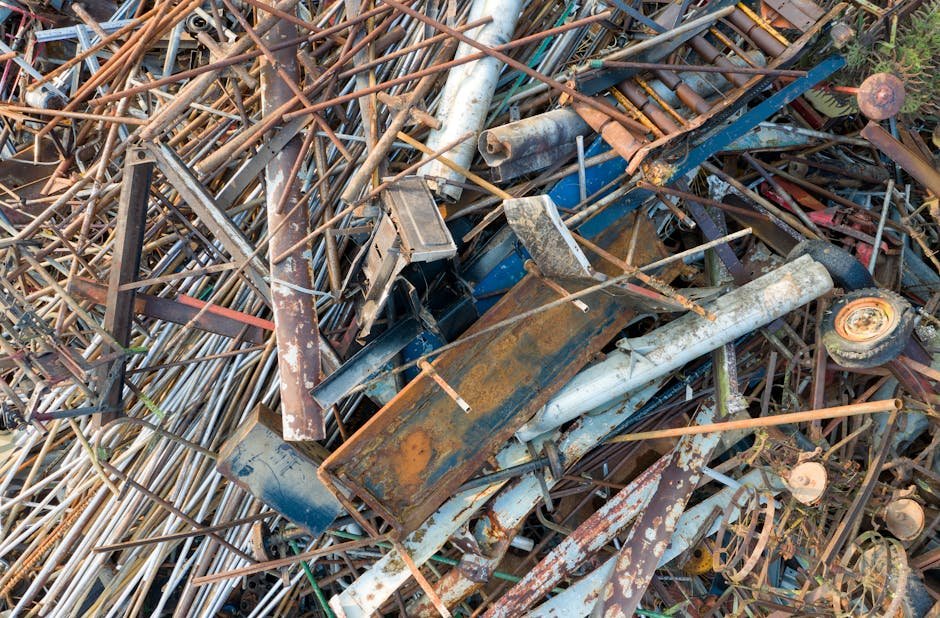

Navigating the landscape of scrap metal dealers Sydney requires an understanding of how the industry functions, from the initial collection of industrial waste to the final smelting process. Whether you are a construction contractor in Western Sydney or a homeowner on the North Shore, knowing how to categorize your materials can significantly impact your financial returns and the efficiency of the recycling loop. As the industry evolves, finding reliable partners who prioritize sustainability and transparent pricing becomes paramount for anyone looking to Sell Scrap Metal Near Me In 2026.
Understanding Metal Grades: Ferrous vs. Non-Ferrous
To engage effectively with scrap metal dealers Sydney, one must first distinguish between the two primary categories of metal: ferrous and non-ferrous. Ferrous metals, which contain iron, are magnetic and include steel, iron, and stainless steel. These are the backbone of the construction industry in New South Wales. Non-ferrous metals, on the other hand, do not contain iron, are non-magnetic, and are generally more valuable due to their resistance to corrosion and their infinite recyclability. Common non-ferrous metals include copper, aluminium, brass, lead, and zinc.
Within these categories, grading is everything. For instance, copper is often graded based on purity—bright shiny copper (Number 1) commands a much higher price than copper with insulation or oxidation (Number 2). Aluminium is similarly graded; clean, extruded aluminium used in window frames is valued differently than cast aluminium or aluminium cans. When you research Scrap Metal Prices, you will notice that these grades fluctuate based on global demand and local supply chains in Greater Sydney. Understanding these distinctions allows you to sort your scrap effectively, ensuring you receive the best possible valuation for your materials.
The Scrap Metal Recycling Process
The recycling process managed by professional scrap metal dealers Sydney is a sophisticated operation designed to minimize waste and maximize resource recovery. It begins with collection and transportation. Many businesses offer specialized scrap metal services sydney, which include bin hire and site clean-ups for major demolition projects. Once the metal arrives at the facility, the sorting phase begins. Advanced technology, including X-ray fluorescence (XRF) analyzers and magnetic separators, is used to identify the specific alloy composition of the scrap.
After sorting, the metal is processed. This often involves shredding the material into smaller, uniform pieces, which increases the surface area for the subsequent melting process. For larger items, hydraulic shears or torches are used to reduce the size. Once shredded, the metal is purified through various methods, such as air classification or magnetic separation, to remove contaminants like plastic, rubber, or dirt. The final step is melting, where the processed scrap is heated in high-temperature furnaces to create molten metal, which is then cast into ingots, billets, or sheets. These raw materials are then sold back to manufacturers to produce everything from new car parts to structural beams for buildings across the state.
Environmental Benefits of Recycling in NSW
Recycling scrap metal is one of the most effective ways to reduce the environmental footprint of industrial activity in New South Wales. Mining and refining virgin ore is an energy-intensive process that results in significant carbon emissions and habitat destruction. By contrast, recycling aluminium, for example, requires 95% less energy than producing it from bauxite ore. Similarly, recycling copper and steel significantly reduces the need for destructive open-pit mining.
Beyond energy savings, recycling prevents millions of tonnes of metal from ending up in landfills. In a rapidly growing urban environment like Greater Sydney, landfill space is at a premium. By diverting scrap from these sites, dealers help protect local ecosystems and groundwater from heavy metal contamination. Furthermore, the circular economy model supported by local dealers ensures that resources stay within the domestic supply chain, reducing the reliance on imported raw materials and lowering the carbon footprint associated with long-distance shipping.
How to Find and Evaluate Scrap Dealers
When searching for scrap metal dealers in sydney, it is important to look for companies that are fully licensed and compliant with NSW environmental regulations. A reputable dealer will provide transparent weighing processes—ideally, they should use calibrated scales that you can view during the weighing process. Transparency in pricing and honest grading are the hallmarks of a trustworthy partner. You should also consider the logistics; if you are located in Western Sydney, a dealer with a local presence will be able to offer more competitive transport rates and faster bin turnaround times.
For those looking for Scrap Metal Recycling Near Me, it is worth checking the dealer’s capabilities. Do they have the equipment to handle heavy industrial demolition scrap, or are they better suited for smaller residential quantities? A full-service dealer will often provide a comprehensive suite of solutions, including on-site assessments and tailored collection schedules. You can explore more about the industry standards and best practices by visiting the leading scrap metal trading platform or checking out the resources available at professional scrap metal services.
Maximizing Your Returns: Practical Tips
To maximize the value of your scrap, preparation is key. The first rule is to clean your metal. Removing non-metallic attachments like plastic, wood, or glass from your scrap significantly improves its grade and, consequently, its value. For example, stripping insulation from copper wire is a labor-intensive but highly rewarding task. Secondly, keep your metals separated. Mixing different types of metal—such as aluminium with steel—will downgrade the entire load to the lowest common denominator. By keeping your copper, brass, and stainless steel in separate, clearly marked containers, you ensure that the dealer can grade them accurately.
Timing also plays a role. While it is impossible to predict the market perfectly, keeping an eye on the general trends in Scrap Metal Prices can help you decide when to sell. If you have a large volume of material, consider storing it until you have enough for a bulk delivery, which can sometimes lead to better negotiating power. Always ensure your scrap is safe to transport and that you are following all local transport regulations in Greater Sydney when moving large quantities of metal.
The Future of Metal Recycling in Australia
The scrap metal industry in Australia is undergoing a digital transformation. The integration of real-time tracking, digital scales, and online booking platforms is making it easier than ever for businesses and individuals to participate in the circular economy. As we look toward 2026 and beyond, the focus will shift heavily toward traceability and carbon accounting. Companies that can provide detailed reports on the environmental impact of their recycling efforts will become preferred partners for large-scale construction and manufacturing firms.
In regions like the North Shore and the broader Sydney metropolitan area, the demand for sustainable waste management solutions is higher than ever. Local councils and state governments are increasingly incentivizing circularity, making it an opportune time to engage with professional dealers. By choosing to recycle, you aren’t just making a quick buck; you are contributing to a massive, global effort to conserve the earth’s finite resources and build a more resilient industrial future for New South Wales.
Safety and Compliance Standards
Working with scrap metal involves inherent risks, and compliance with safety standards is non-negotiable. Reputable scrap metal dealers Sydney operate under strict Work Health and Safety (WHS) protocols. This includes the use of personal protective equipment (PPE), proper handling of hazardous materials, and secure storage facilities. If you are a business generating scrap, you have a responsibility to ensure that your waste is handled by a licensed facility that complies with EPA regulations in NSW.
Non-compliance can lead to significant fines and environmental damage. Always verify that your chosen dealer has the necessary permits to transport and process the specific types of metal you are offloading. For instance, dealing with scrap that may contain lead-acid batteries or other hazardous substances requires specialized handling and certification. Always prioritize safety and environmental stewardship over the highest possible quote; a dealer who cuts corners on safety is likely cutting corners in other areas as well.
Conclusion
The scrap metal industry is a vital component of the Australian economy, bridging the gap between waste generation and sustainable manufacturing. By understanding the nuances of metal grades, the importance of sorting, and the environmental impact of your choices, you can play an active role in the circular economy. Whether you are a small-scale recycler in the North Shore or a large industrial firm in Western Sydney, there is a clear path to maximizing your returns while minimizing your footprint. By partnering with reputable professionals and staying informed about market trends, you ensure that your scrap metal contributes to a cleaner, more efficient future for all of New South Wales.
Frequently Asked Questions
- Question: What is the most valuable scrap metal to recycle?
Answer: Generally, non-ferrous metals like copper, brass, and high-grade aluminium are the most valuable. Copper is consistently the highest-priced commodity due to its high demand in electrical and plumbing applications. - Question: How do I know if my scrap metal is ferrous or non-ferrous?
Answer: A simple way to check is by using a magnet. If the magnet sticks to the metal, it is ferrous (contains iron, like steel); if the magnet does not stick, it is non-ferrous (like copper, aluminium, or brass). - Question: Do scrap metal dealers provide collection services for large quantities?
Answer: Yes, most professional scrap metal dealers in Sydney offer bin hire and collection services for businesses, construction sites, and demolition projects. It is best to contact them directly to discuss your volume and location requirements. - Question: Does the price of scrap metal change daily?
Answer: Yes, scrap metal prices are volatile and fluctuate based on global commodity markets, supply and demand, and currency exchange rates. It is advisable to check current market rates shortly before you plan to sell your scrap.